Have you ever felt pain in your teeth and wondered if it was really a serious problem? You are not alone. Dental Problems occur in many individuals daily. Other problems are minor, but some are severe and require urgent treatment. You will be aware of some typical dental issues, which will prevent their further complications. You are supposed to take care of your mouth the way you take care of other parts of your body. We are going to discuss the 9 most common dental issues problems
Common Dental Problems You Should Know
1. Tooth Decay
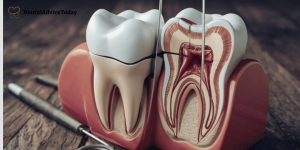
One of the most prevalent dental problems is tooth decay, which is one of the major reasons due to the use of sugar. It occurs when bacteria in the mouth attack the enamel of your teeth. This bacteria develops due to sugar and food particles that remain in your mouth. You might feel holes, dark places, or even pain when you are eating sweets. Failure to treat tooth decay can result in infection and loss of teeth. The most important way of preventing decay is good oral hygiene.
2. Bad Breath (Halitosis)
Halitosis is a condition that most individuals are ashamed of. It is typically brought about by food particles, bad brushing, gum problems, or even stomach problems. Bad breath does not go away even after brushing. It may influence your self-confidence in conversations with people. You are supposed to drink water, clean your tongue, and you should not smoke or eat stinky food. When the issue persists, it can indicate gum disease or some other health complication. A dentist will be able to determine the precise cause.
3. Dentin Hypersensitivity
Sensitive teeth or dentin hypersensitivity make it very uncomfortable when one eats and drinks. You can experience sharpness when you take hot coffee, when you take ice cream, or even when you take cold air. This occurs when the layer of protection of enamel becomes eroded, and dentin becomes uncovered. It is also possible because of the recession of gums. You must apply a toothpaste designed to be used on sensitive teeth and also avoid hot and cold food. To take care of your teeth, a dentist might recommend fluoride therapy.
4. Periodontal Disease
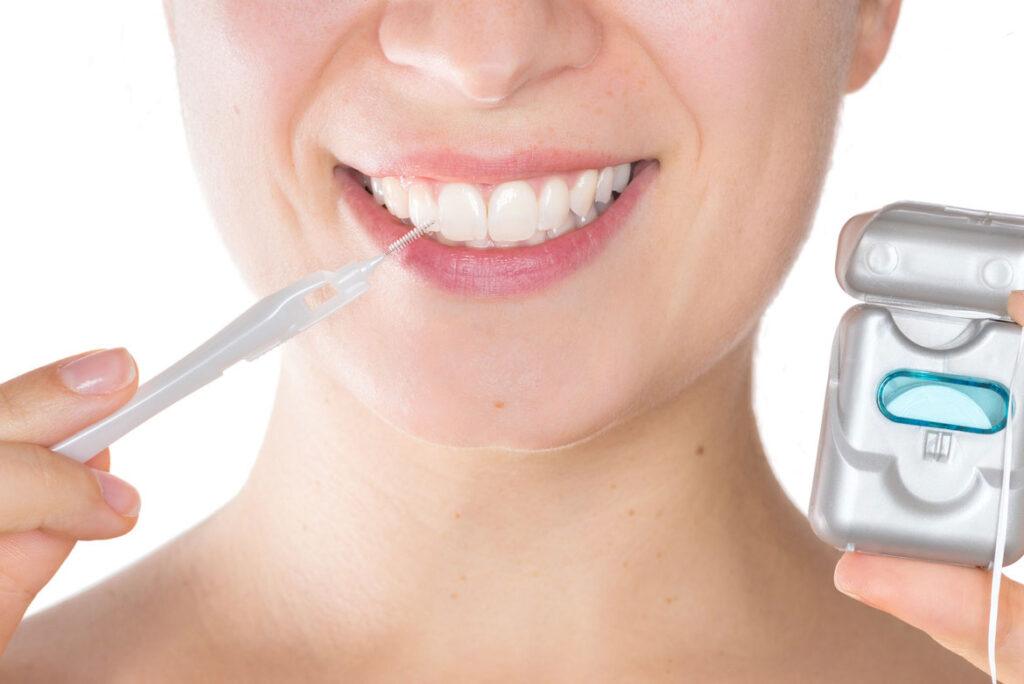
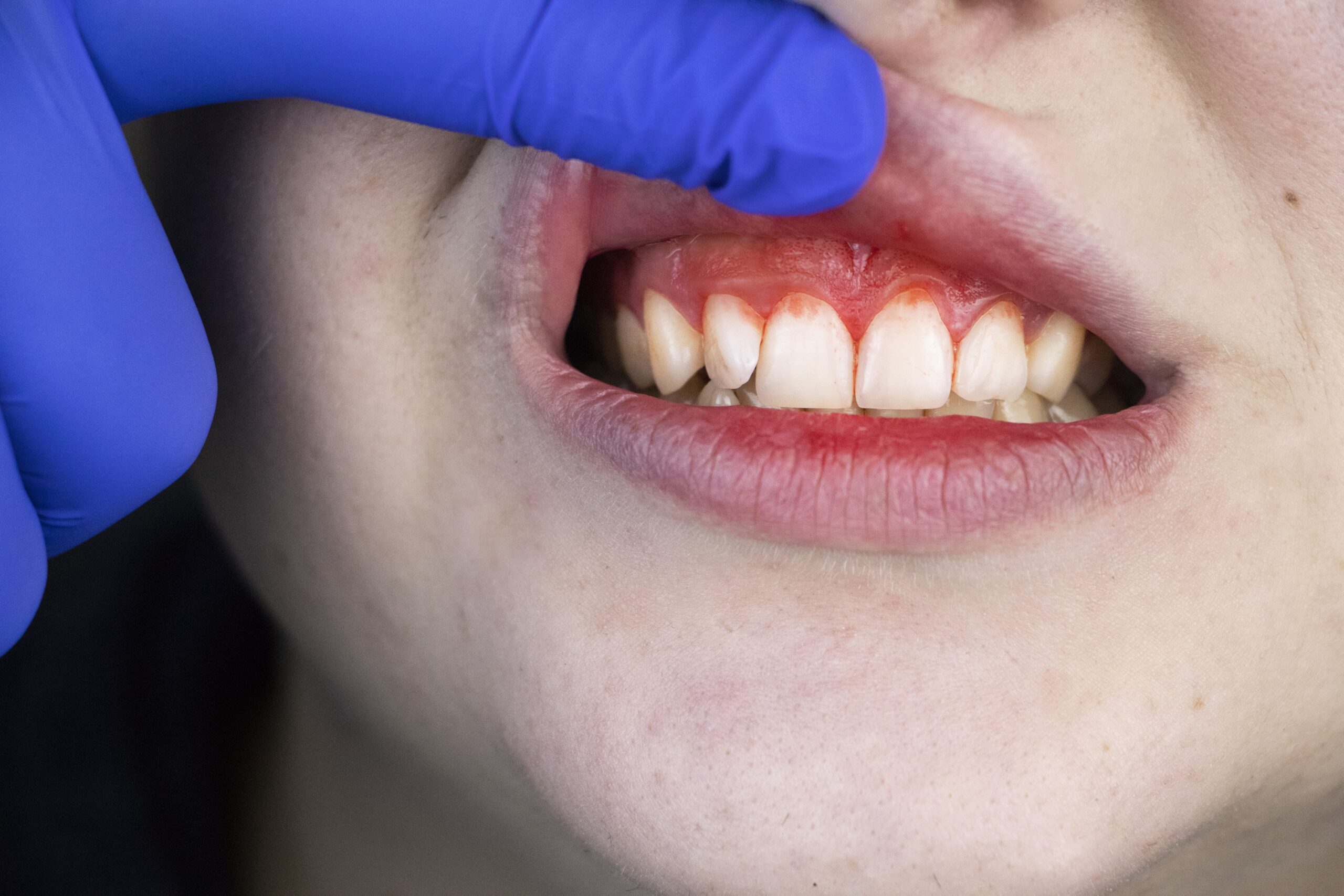
Periodontal disease is a disease that impacts the supporting structures of your teeth. It normally begins when the gums appear puffy and easily bleed. It may develop into periodontitis, during which the tissue and bone surrounding the teeth begin to degenerate without treatment. It is among the key causes of loss of teeth in adults. You need to brush your teeth and never omit flossing. Professional cleaning by your dentist is important, as only a dentist can help remove hard plaque under the gums.
5. Tooth Erosion
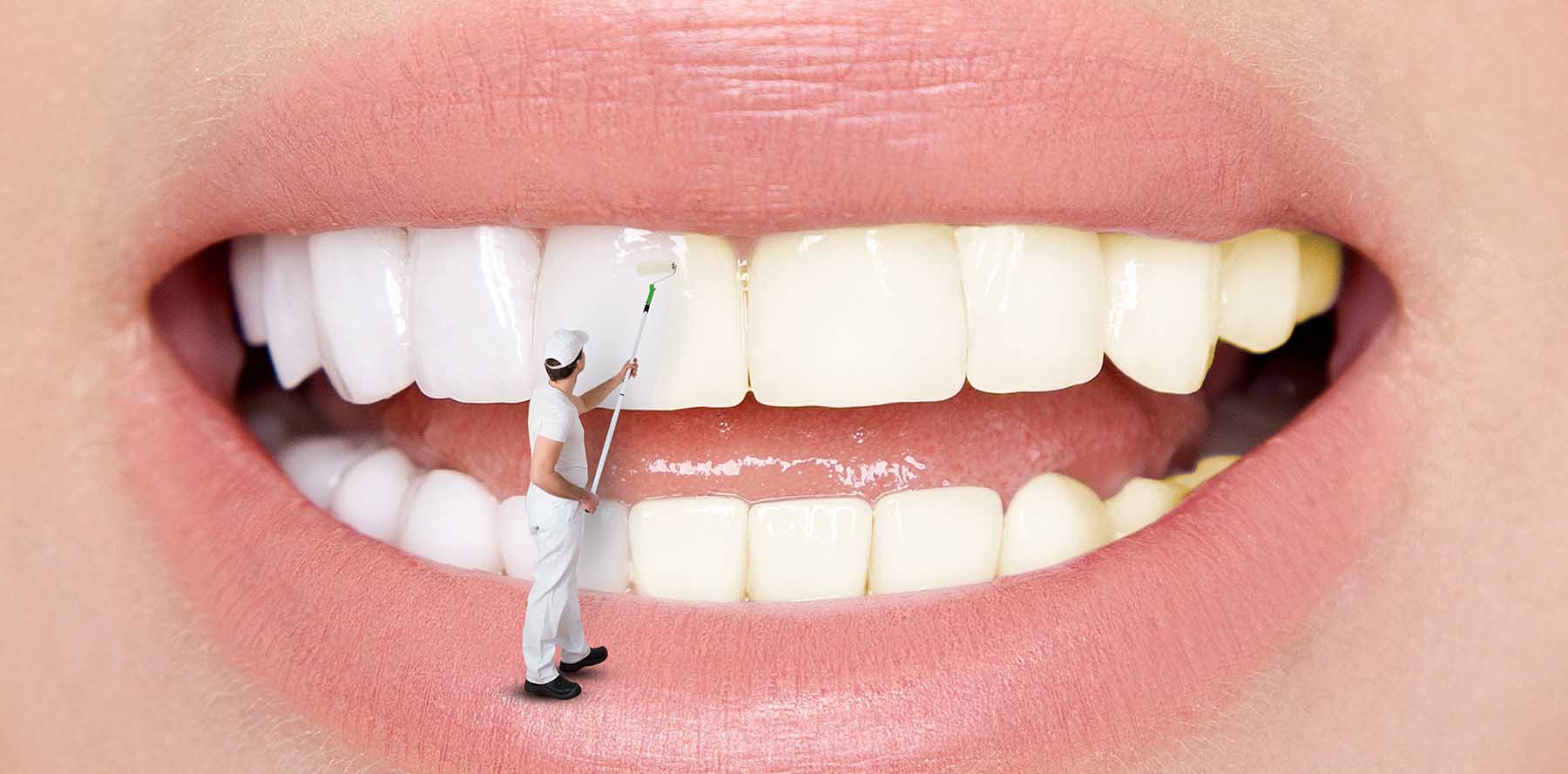
The erosion of teeth occurs due to the wearing of the enamel of your teeth. This is usually brought about by acidic beverages and some health issues. You might find that your teeth appear thinner, smoother, or even discolored. In some cases, cracks and sensitivity are also brought about by the erosion of teeth. Acidic foods should be minimized, and your mouth should be rinsed when you have eaten them. Soft drinks can be taken with a straw or by drinking water. In severe cases of erosion, your dentist can resort to bonding or veneers.
6. Oral Cancer
Oral cancer constitutes a very serious dental problem. In the majority of cases, it is unnoticed at the early stages. It can manifest itself with soreness and white spots in the mouth that fail to heal. Some of the risk factors include smoking and overexposure of the lips to the sun. Early detection can make it not life-threatening. You should also examine your mouth frequently and go to the dentist in case you notice any unusual changes in your mouth. Early diagnosis is better.
7. Xerostomia
It is known as dry mouth, which occurs due to a lack of enough saliva in your mouth. The significance of saliva is that it washes away food and bacteria. Lack of sufficient saliva can leave you feeling sticky dry, or even have bad breath. Dry mouth occurs in individuals who are taking certain medications. You should consume a lot of water and chew gum that does not contain sugar. Avoid mouthwash that contains alcohol. In case the problem persists, a dentist will be able to recommend any treatments to keep your mouth moist and healthy.
8. Tooth Loss
One of the most common dental issues is tooth loss. It may occur as a result of decay and accidents. Tooth loss not only impacts your smile, but it also makes it harder to chew. Loss of teeth is also capable of making other teeth move and creating bite problems. Damaged teeth should not be overlooked. Missing teeth can be replaced by dentists with implants and dentures. Early attention to your teeth helps you save your teeth and can maintain your natural smile longer.
9. Cracked Tooth Syndrome
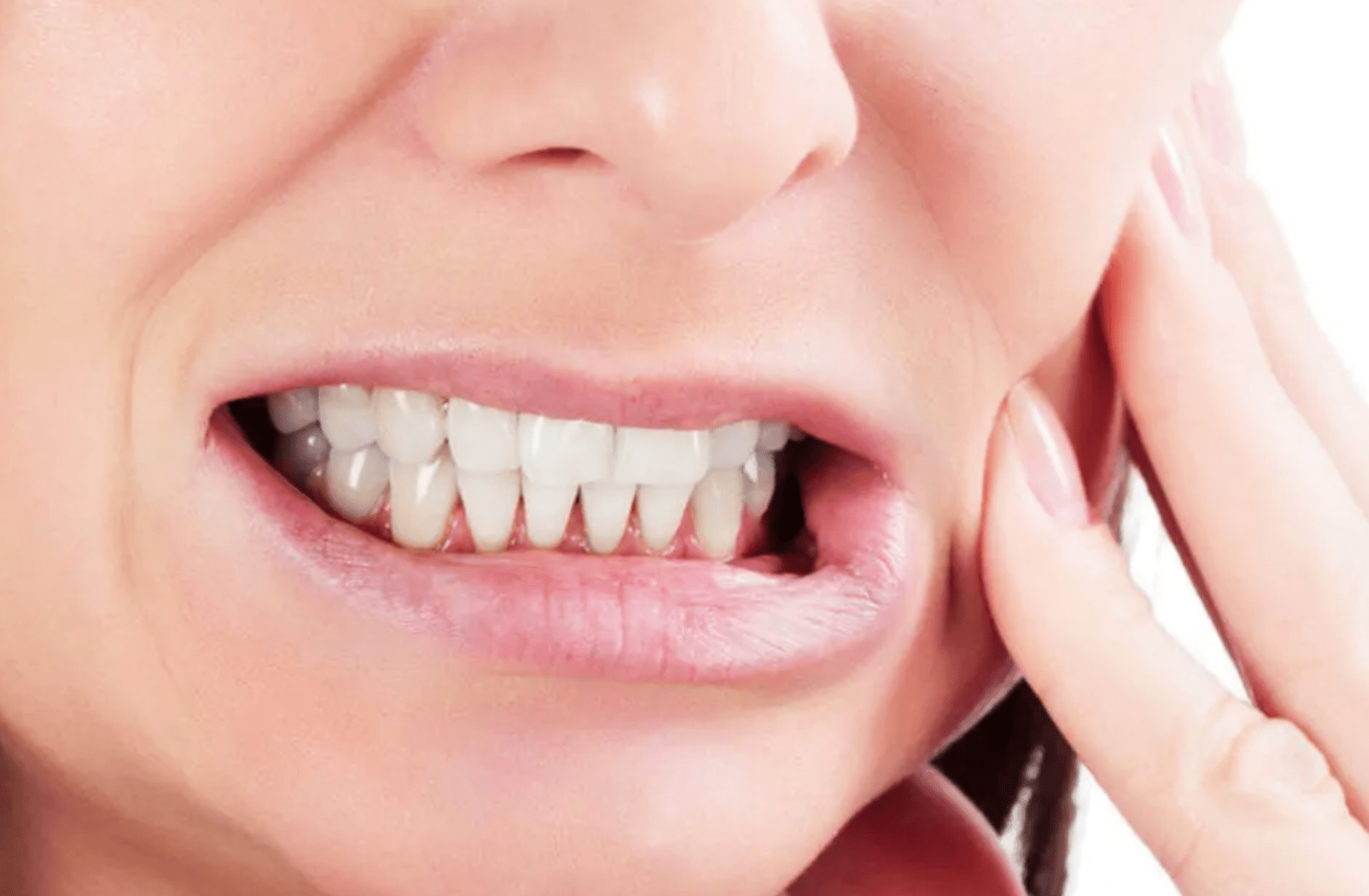
The problem of cracked tooth syndrome occurs when a tooth experiences a tiny crack, which is difficult to notice. You might have pain during chewing or hot and cold sensitivities. These cracks are not always visible as cavities, and sometimes they do not appear on X-rays. Grinding, chewing hard foods, or injuries may cause the cracking of teeth. You need not bite very hard things, such as ice or pens. Depending on the depth of the crack, a dentist can repair the tooth using crowns and other procedures.
Preventive Measures to Protect Your Teeth
Always keep in mind that prevention is better than a cure. The following are some of the straightforward steps you can undertake:
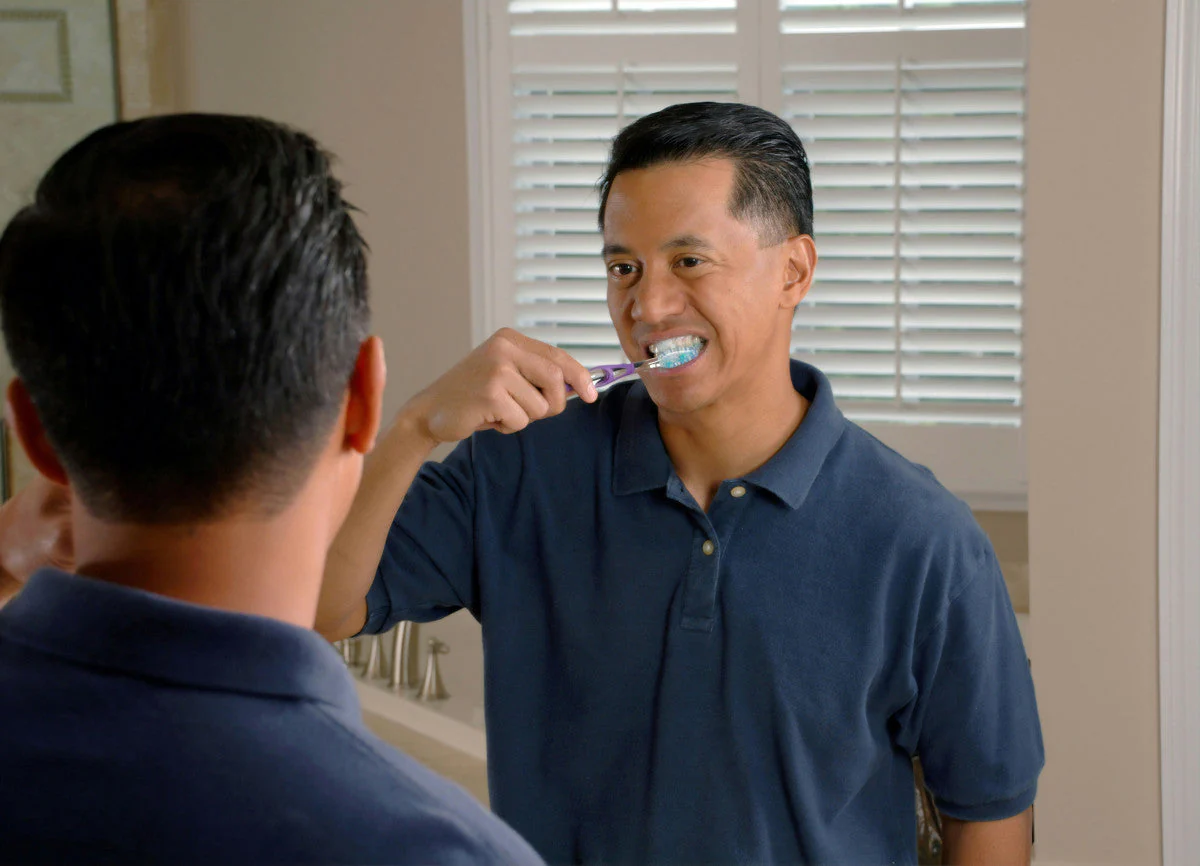
- Wash your teeth in fluoride toothpaste twice a day.
- Brush your teeth every day to get out food.
- Visit your dentist every six months.
- Eat well and not have excessive sugar.
- Take an excessive amount of water to keep your mouth clean.
- Do not smoke and chew tobacco.
- Wear a mouthguard when grinding your teeth.
- Restrict acidic drinks and food.
Conclusion
Oral health contributes a lot to overall health. Once you are aware of typical dental issues, you can prevent them at an early stage. Such basic routines as brushing and eating healthy. Also, visiting your dentist can make a big difference. Bad breath and bleeding gums should never be neglected as they are warning signals. A single action you perform on your teeth today helps you to have a healthy smile tomorrow. Take care of your teeth so that they will take care of you.
FAQs
How often should you visit a dentist?
You are supposed to visit a dentist at least twice a year to have a check-up. Frequent visits assist in the detection of small issues before they get bigger. You might need extra visits in the event that you have gum disease or sensitivity. Early care saves you time and money.
Can you prevent all dental problems by brushing and flossing only?
Brushing and flossing cannot solve all the issues. A good diet and frequent dentist visits are also required of you. There are certain problems, such as oral cancer and dry mouth, that require an expert. There should be complete oral care.
What foods are bad for your dental health?
Sweet food and acidic beverages are unhealthy for your teeth. They make bacteria multiply and destroy enamel. You ought to restrict sodas and citrus fruits. Eat vegetables, fruits, and dairy products to make your teeth strong instead. Water is the best option to drink.