How does Vitamin D Effects? Imagine you waking up with sensitive teeth that ache from your morning coffee. Or you grind your teeth at night and wonder why. Low Vitamin D levels play a role here. Many people overlook this link. Vitamin D helps your body in many ways. It helps build strong bones and enhances your immune system. Now, experts see its big role in dental health too. Your teeth and gums need it to keep them healthy.
Vitamin D plays a supporting role for tooth enamel. It fights off bacteria that cause decay. Strong gums come from good Vitamin D levels as well. In the US, many folks lack enough of this vitamin. The CDC says about 25% of Americans have a Vitamin D deficiency. This hits harder in northern states with less sun. Groups like non-Hispanic Blacks face higher risks, up to 17.5% at risk. Kids and older adults see more issues, too.
This blog covers key points. Learn the signs of deficiencies that hurt your teeth. We talk about the benefits for your smile. We answer whether Vitamin D is good for teeth. Plus, we check if too much causes problems.
Vitamin D matters for your smile. It keeps teeth strong and healthy. Dive in to see how you boost your levels for better dental health. For more information..
Vitamin D Effects: On Your Oral Health and Teeth
Vitamin D acts as a key nutrient for health. Your body grabs it from the sun, food, or pills. It aids calcium absorption. Phosphorus builds strong bones and teeth. Many US adults need more of it daily.
| Section | Details |
|---|---|
| Basics of Vitamin D | It keeps bones dense and prevents breaks. It gives a boost to your immune system to fight against infections. Low levels link to fatigue and mood dips. |
| Role in Overall Health | Check labels for fortified products in stores. Combine sun and diet for the best results. Northern US folks need extra care due to less sun. |
| Link to Dental Health | It keeps bones dense and prevents breaks.It gives a boost to your immune system to fight against infections. Low levels link to fatigue and mood dips. |
| Sources for US Readers | Get sun: Aim for 15 minutes outdoors daily, but wear sunscreen. Eat fatty fish like salmon or tuna – great for meals. Try fortified Foods that are good for Teeth: Milk, cereal, and orange juice provide Vitamin D. Eggs and mushrooms offer natural boosts. Supplements help in winter; talk to your doc first. |
| Daily Tips | The teeth’s Vitamin D connection starts with calcium. Vitamin D helps teeth absorb minerals for strength.It reduces inflammation in the gums.Is Vitamin D good for teeth? Yes, it fights decay and protects enamel. |
Signs of Vitamin D Deficiency and How It Affects Teeth
Vitamin D effects know about cause fatigue and bone pain. Dental issues show up, too. Weak enamel leads to problems like cavities. Kids who live in areas with limited sunlight have increased risks of growth of baby teeth roots.
Common Symptoms
- You feel tired all the time.
- Bones ache without reason.
- Muscles weaken over time.
Focus on Teeth Problems
- Vitamin D deficiency teeth include brittle ones that chip easily.
- Enamel thins out and wears down.
- Healing slows after dental work.
Grinding Teeth and Deficiency
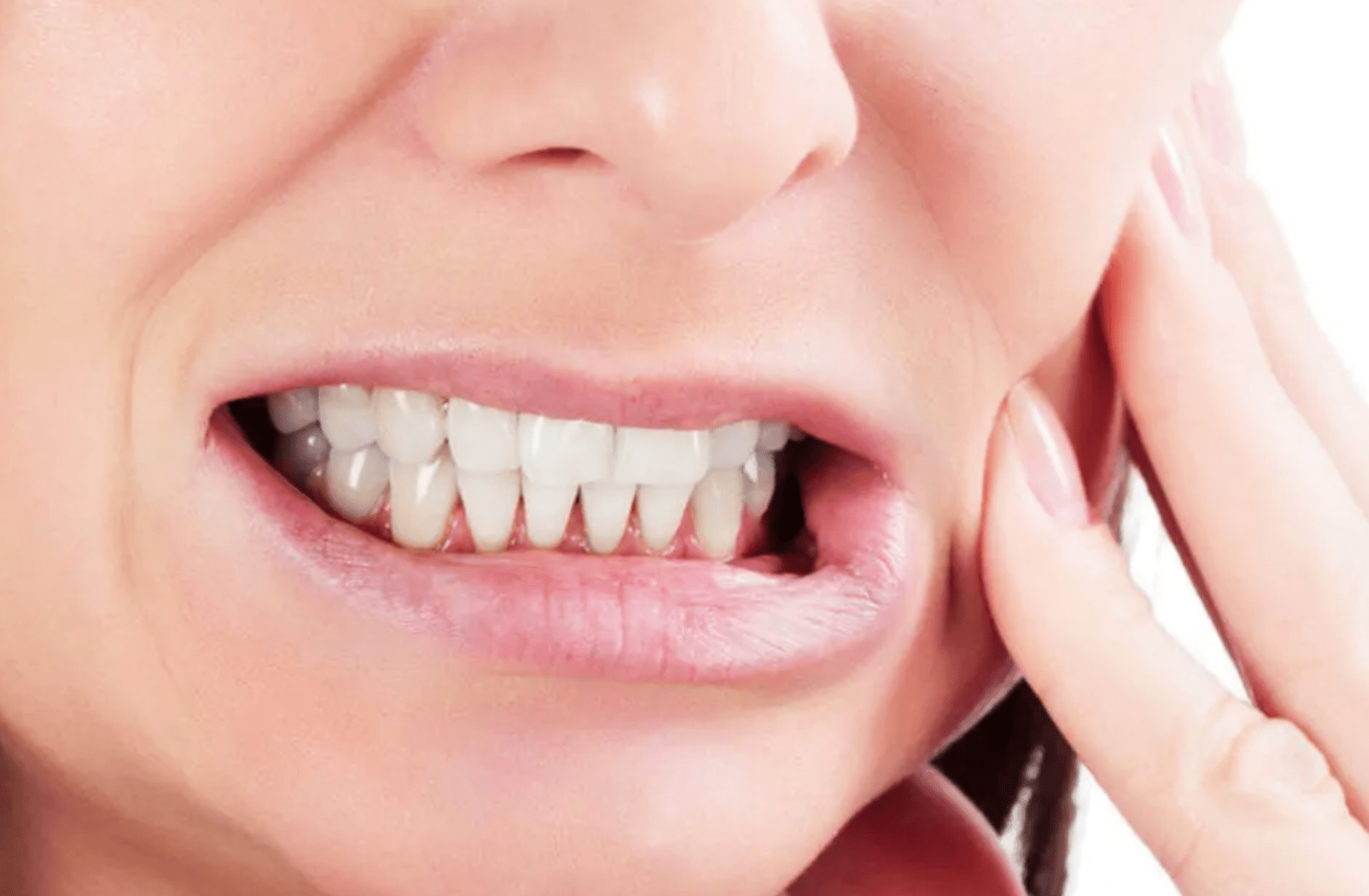
- Grinding teeth Vitamin deficiency is linked to muscle tension.
- Low Vitamin D causes jaw clenching at night.
- It leads to stress and poor sleep, too.
Teeth Sensitivity Issues
- Vitamin D deficiency and teeth sensitivity are caused from thin enamel.
- Hot or cold foods cause sharp pain.
- Sweets trigger discomfort as well.
Oral Manifestations
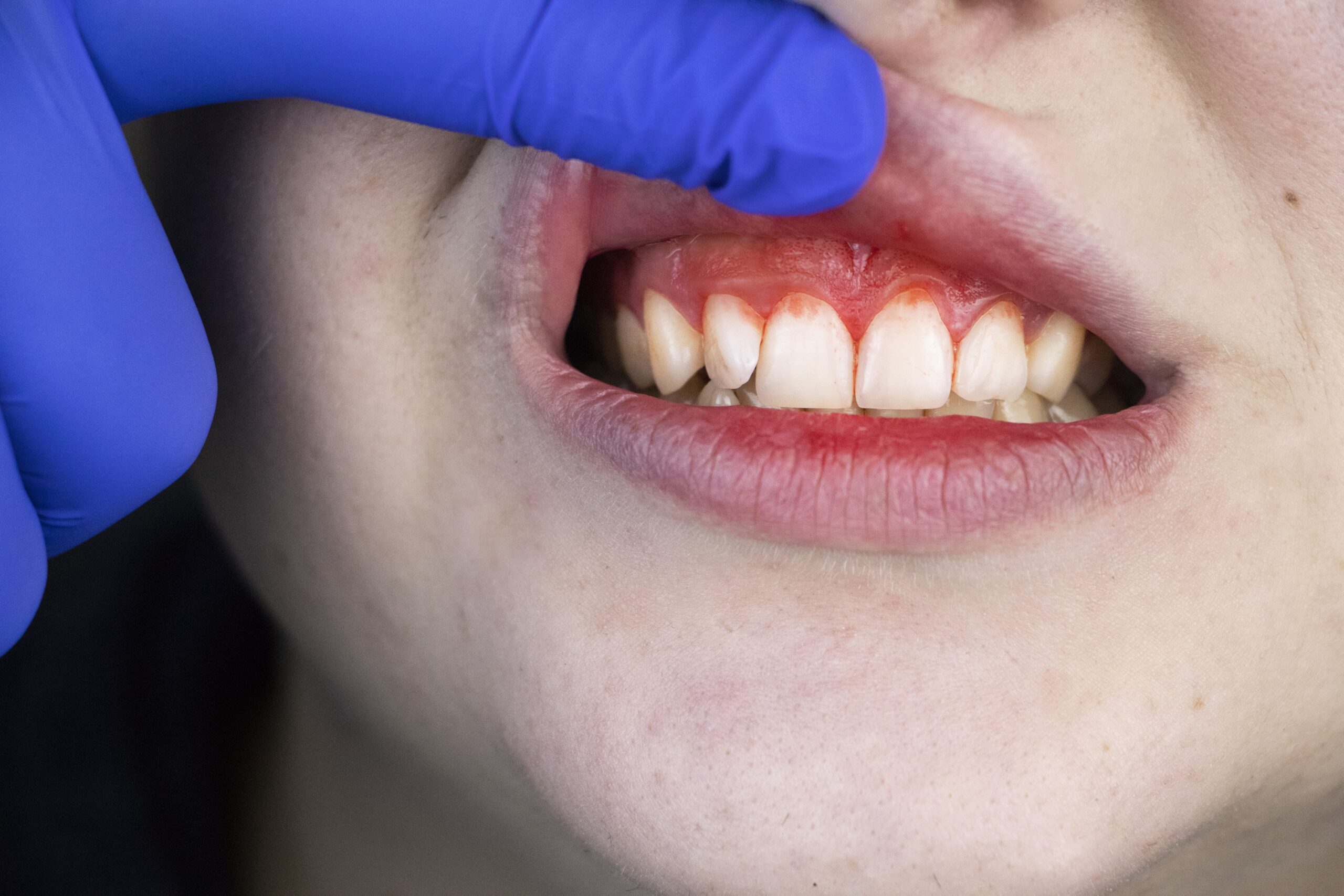
- Oral manifestations of vitamin D deficiency include gum swelling.
- Teeth erupt late in kids.
- Dentin softens and leads to breaks.
Vitamin D and Tooth Decay
- Low levels raise cavity risks.
- Studies show kids with a deficiency get more decay.
- Adults see gum disease more often.
Examples for US Folks
- Northern states like Minnesota see more cases in winter darkness.
- Kids indoors miss the sun a lot.
- Older adults indoors face similar risks.
Benefits of Enough Vitamin D for Dental Health
Good Vitamin D levels boost your mouth’s defense. It combats bacteria and reduces inflammation. This results in fewer cavities and stronger gums. US studies back these perks for daily life.
- It keeps bones dense and prevents breaks.
- It gives a boost to your immune system to fight against infections.
- Low levels link to fatigue and mood dips.
- Vitamin D helps teeth absorb minerals for strength.
- It reduces inflammation in the gums.
- It fights decay and protects enamel.
- It boosts mouth immunity against germs.
- Healthy levels lower gum bleeding risks.
- It heals tissues faster after issues and reduces plaque buildup.
- Better Vitamin D means fewer dentist trips, saving money on fixes.
Can Too Much Vitamin D Harm Your Teeth?
Most folks lack Vitamin D, but excess happens from pills. High levels of calcium build up in the wrong spots. This rarely hurts teeth directly. Balance keeps things safe for US adults.
Vitamin D – Risks, Teeth Effects, and Safety Tips
- Too much comes from supplements, not sun or food.
- The body handles natural sources better.
- Toxicity shows in blood tests.
- High doses cause kidney stones or issues.
- Calcium deposits form in soft tissues.
- This links to overall health woes.
- Root Canal Pain or Tooth Extraction
- Can too much Vitamin D make your teeth hurt? Yes, if calcium buildup affects the jaws.
- It rarely leads to odd deposits in the mouth.
- Stick to 600–800 IU daily for adults and get doc advice before high doses.
- Rare in America with regulated supplements, and food alone won’t cause overload.
How to Get More Vitamin D for Better Teeth
Boost Vitamin D with easy steps. Spend time outside or eat the right foods. Supplements help in low-sun times. Test levels at your doc. This lifts teeth Vitamin D health fast.
Practical Outdoor Steps
- You should walk for 15 minutes in the sun daily.
- Play sports or garden for fun.
- Use sunscreen after short exposure.
Food Choices
- Pick salmon or eggs for meals.
- Grab fortified milk or cereal.
- Try mushrooms exposed to UV light.
When to Use Supplements
- Winter months need extra help.
- Vegans choose D2 options.
- Start low and build up.
Testing Your Levels
- Ask for a blood test at checkups.
- US doctors offer quick results.
Conclusion
Vitamin D makes your teeth healthy. It fights decay and boosts gums. Low levels cause sensitivity and grinding. Good amounts cut dentist visits. Check your levels today. Eat smart and get sun. Small changes bring big smiles. Your dental health improves fast.
FAQs
Is Vitamin D Good for Teeth?
Yes, Vitamin D strengthens enamel. It helps absorb calcium for tough teeth. Good levels cut decay risks. Studies show fewer cavities with enough intake.
What Are Oral Manifestations of Vitamin D Deficiency?
Deficiency shows as weak enamel and gum issues. Teeth chips are easy. Kids see delayed eruptions. Adults are more vulnerable to infections and have a slow recovery rate.
Does Vitamin D Deficiency Cause Teeth Sensitivity?
Yes, low levels of thin enamel. This makes teeth hurt with heat or cold. Sensitivity rises from weak structure. Boost Vitamin D to ease pain.
Can Grinding Teeth Link to Vitamin Deficiency?
Grinding ties to low Vitamin D. It causes muscle tension in the jaw. Studies link deficiency to more bruxism. Fix levels to reduce night grinding.
Can Too Much Vitamin D Make Your Teeth Hurt?
Excess rarely hurts teeth directly. High calcium buildup might cause issues. Toxicity from supplements leads to pain in rare cases. Stick to recommended doses.