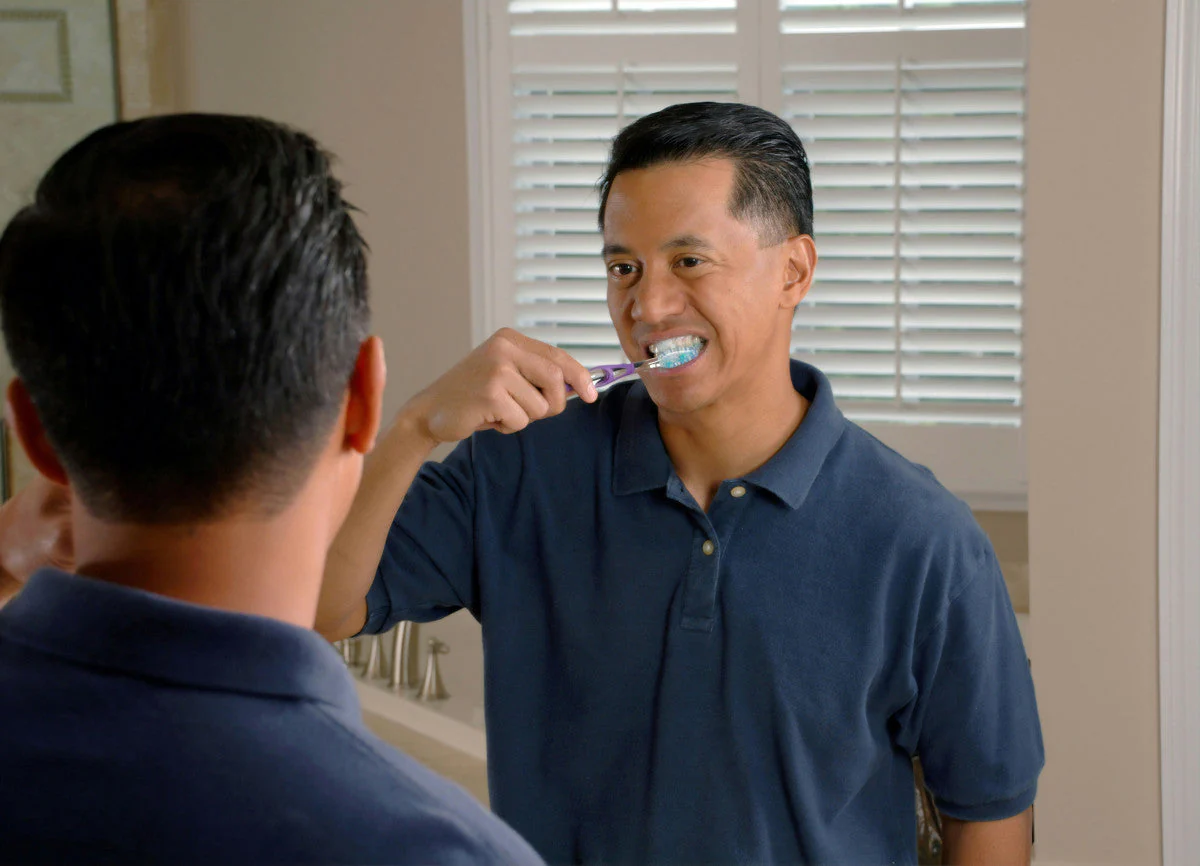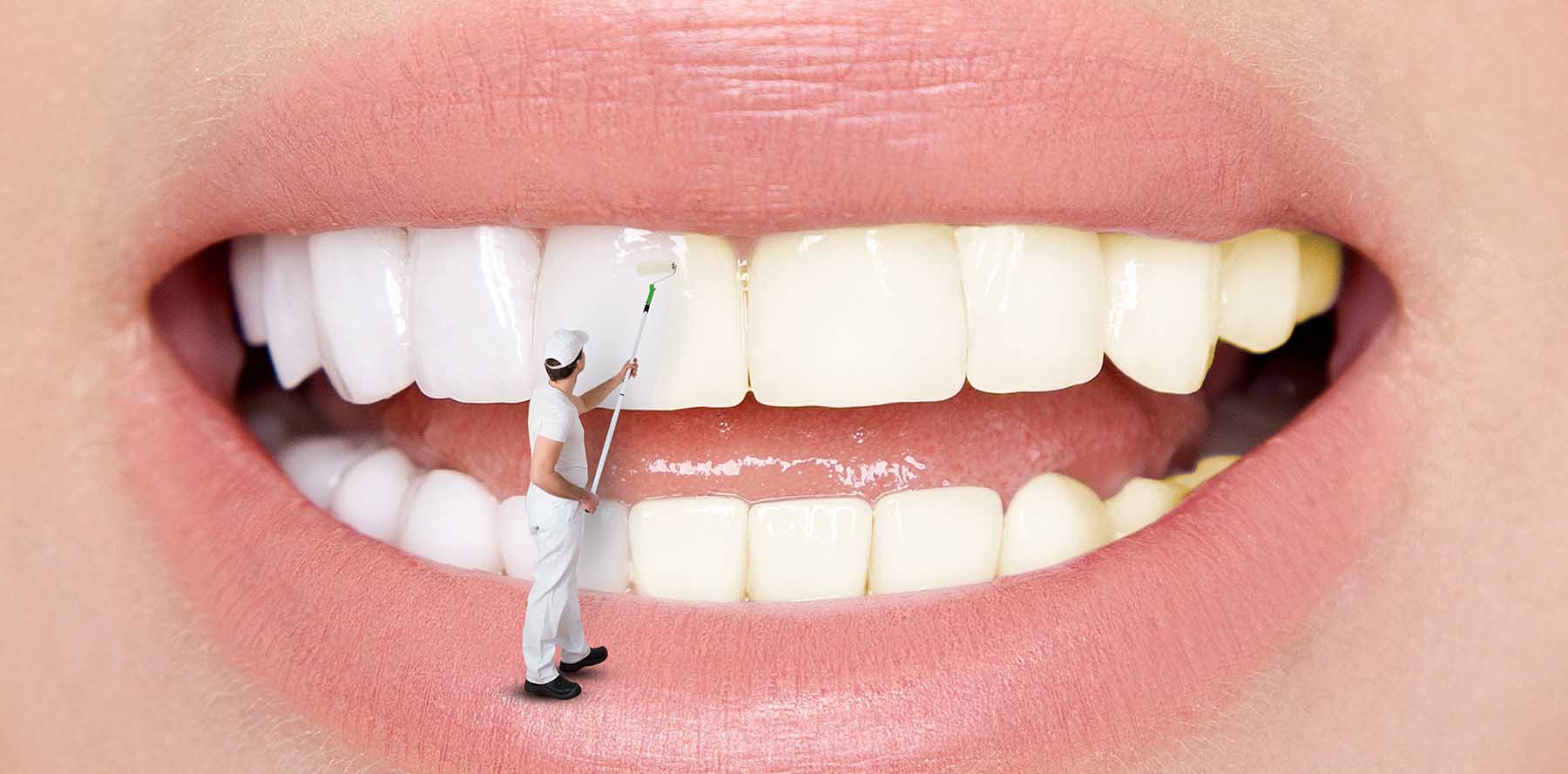
Brushing your teeth regularly helps to maintain your oral hygiene. But there are some food particles and the debris left behind in small tooth spaces or large gaps. Interdental brushes help you clean those gaps in depth. It prevents the risk of gum disease development. Use of interdental brushes enhances overall dental well-being.
Describing Interdental Brushes
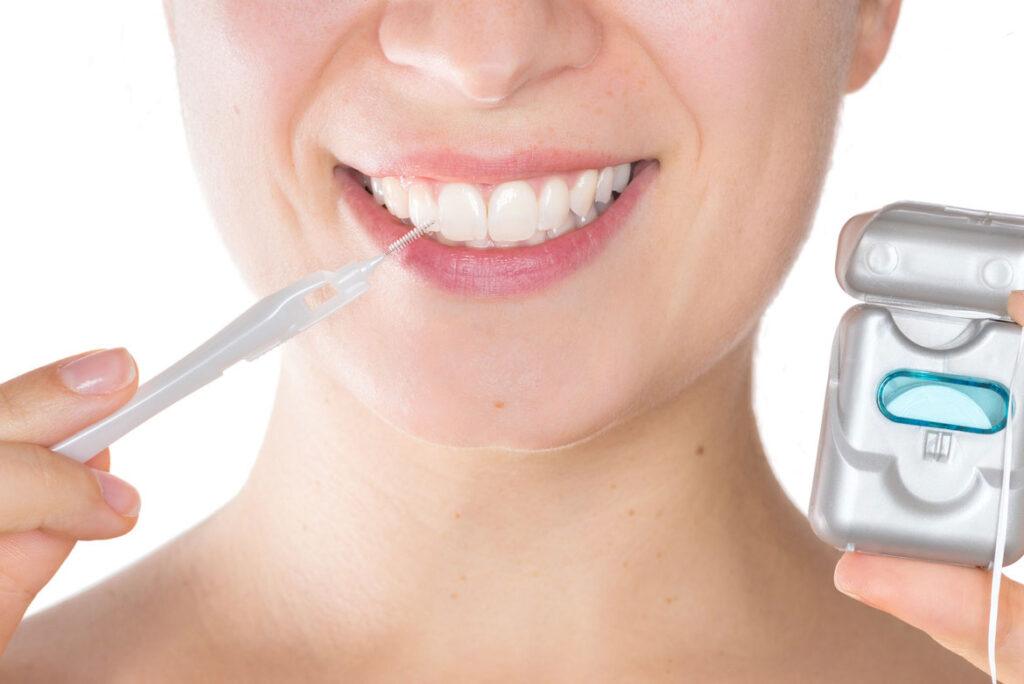
Interdental brushes are small, cylindrical tooth-cleaning tools. These are especially designed to clean the small spaces or the gaps between the teeth. Due to their small bristles and flexibility, they can reach the smallest spaces in your mouth, where a normal toothbrush cannot reach.
There are different sizes of interdental brushes available that make it easy to choose, according to your preference. The purpose of these interdental brushes is to clean the spaces between the teeth where plaque can accumulate. It is a deep teeth cleaning tool.
Interdental brushes remove the food particles and bacteria from the gaps between the teeth. It enhances gum health and prevents tooth decay by removing harmful bacteria. Interdental brushes are an important tool of oral hygiene staples.
Why Your Toothbrush is Not Enough?
Your toothbrush is not enough alone, because almost 40% of the tooth surfaces lie in between the teeth. Plaque and tartar build up there, as they are not accessed by the toothbrushes. Bristles of a toothbrush can not reach the gaps between the teeth, which leads them to be more prone to gum infections and dental diseases.
Not clearing up the spaces may cause periodontal diseases and gum infections. It leads to bad breath and the formation of cavities between the teeth. Using interdental brushes as part of your daily routine helps to reduce the disease and infection.
Why You Should Use Interdental Brushes?
Interdental brushes offer several practical advantages when it comes to maintaining good oral health. These brushes help you in various ways to keep your dental hygiene maintained. Here are some of the key benefits they provide:
Plaque Removal
Interdental brushes remove the plaque more effectively and efficiently. Floss can be used for the purpose, but it only scrapes the sides of the teeth, not removes the plaque completely. Interdental brushes have small bristles that remove the food particles and plaque from the smallest of the gaps, making them ideal to avoid the risk of any serious bacterial infection. It is quite helpful for people with larger gaps and uneven spaces.
Prevention Of Gum Diseases
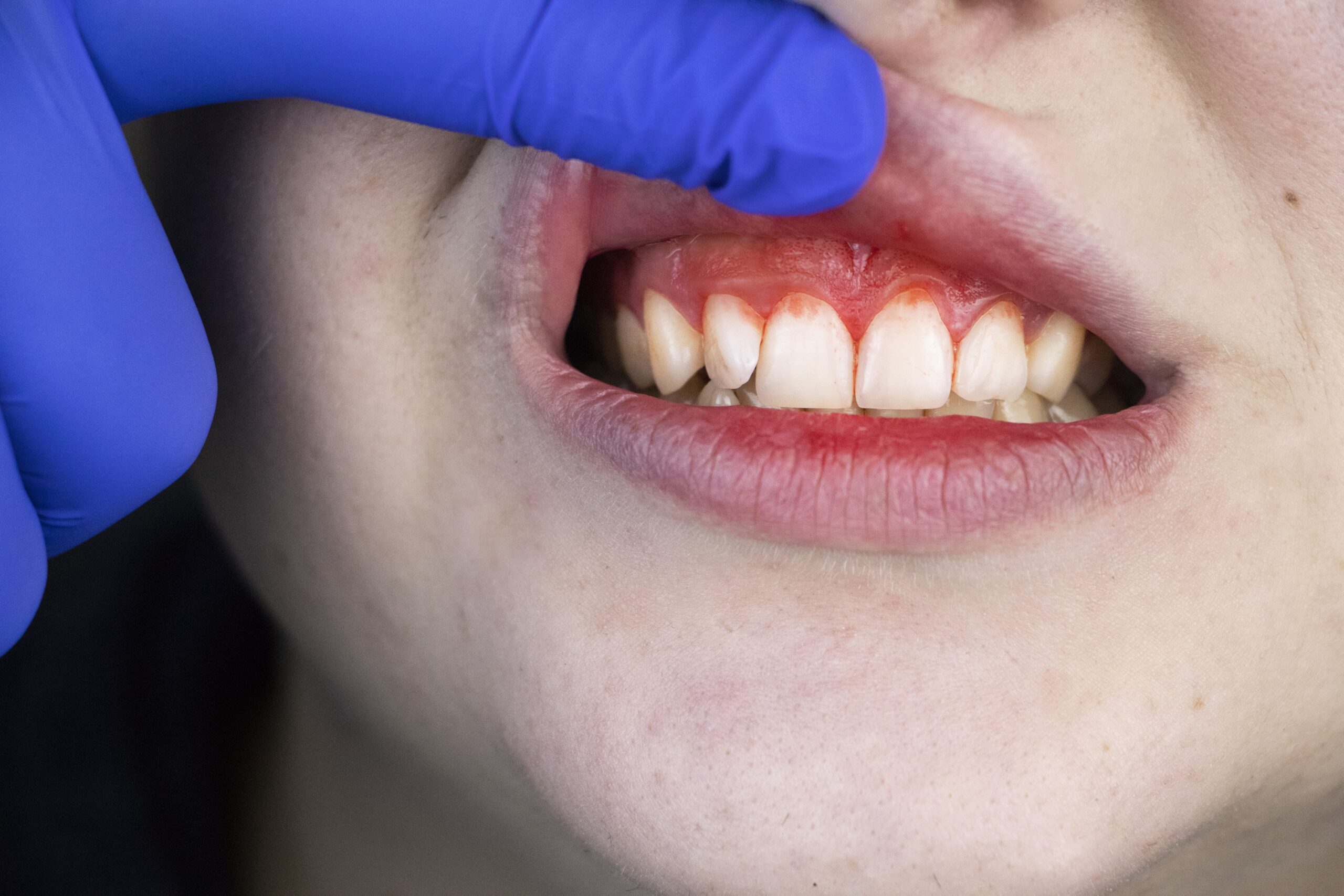
Bad oral health contributes to gum infections. Using interdental brushes to clean your teeth spaces helps to improve the blood circulation in the area. It reduces swelling and prevents gingivitis, an infection of the gums. Daily use of interdental brushes helps to reduce periodontal pocket depth.
Easy To Use
Many people find interdental brushes more comfortable than floss because they require less effort and are quick to use. Interdental brushes are ideal for children, seniors, and individuals who struggle with flossing.
Great For People With Braces
People with braces know how challenging it is to clean their teeth with wires and brackets in place. Interdental brushes for braces make it easier to clean around wires and between teeth. They slide easily into the tight spaces where food gets trapped.
Support Overall Dental Nutrition
Interdental brushes support overall dental nutrition by cleaning the mouth completely, so bacteria or plaque do not accumulate in the area. Food quality is not disturbed, and healthy oral hygiene is maintained. Interdental brushes create a healthy environment for the teeth to absorb nutrition from saliva.
Helpful For Dental Work And Nutrition
People having dental treatments like crowns and bridges often find it hard to clean their teeth properly. People with implants also suffer from cleaning their teeth. Interdental brushes are quite useful for such people. It cleans the teeth easily without damaging these structures.
Interdental Brush vs Floss: Which Works Better for Oral Hygiene?
Interdental brushes cover a larger area when cleaning the teeth. It is easy to use with people with dental issues. These brushes have small bristles that make it appropriate to clean the larger or the smaller gaps in between the teeth. If someone has braces or implants, interdental brushes clean these more precisely.
Moreover, these are quite beneficial for irregular or crooked teeth. Flossing, on the other hand, is best for very tight spaces between the teeth. It is quite useful for cleaning the gumline and is preferred in pediatric dentistry.
Most of the dental experts, including those at Dental Advice Today, recommend using both. They prefer flossing for tight tooth spaces and under the gumline, and interdental brushing daily for deep cleaning.
Tips for Selecting the Perfect Interdental Brush Size
It is important to choose the right-sized interdental brush for deep cleaning. A brush that is too small will not clean efficiently, and a brush too big will cause an injury to your gums.
Try to start with a small size and then move towards the medium-sized interdental brushes. Try to use different sizes of interdental tooth brushes, so you can easily access different areas of your mouth. If you are not sure, ask your dentist for better advice.
How to Use Interdental Brushes Properly
Slowly insert the interdental brush in your mouth and place it between the teeth and gums where needed. Move the interdental brush back and forth a few times without forcefully moving it. Rinse the brush after every insertion.
Use an interdental brush daily before brushing. It helps to loosen the food particles from the teeth, and then brushing removes the debris easily. When the interdental brush starts bending or losing its shape, you can replace it with a new one.
Common Mistakes to Avoid
While using interdental brushes, avoid brushing forcefully because it can cause bleeding gums. The right size of interdental brush according to your teeth and gum spaces is important to choose.
Avoid using a damaged or bent interdental brush. Not brushing teeth regularly can lead to plaque accumulation. That is hard to clean. Avoiding these mistakes ensures you get good oral hygiene without damaging your gums.
Conclusion
Interdental brushes are small tools, but they make a great difference in teeth cleaning. Where the brush cannot reach, interdental brushes reach into the spaces between the teeth and clean them deeply. Whether you have braces, aligners, or any restoration, you can safely use interdental brushes.
For healthier teeth and gums, following Dental Advice Today can help you choose the right interdental brush and maintain an effective daily dental care routine.
FAQs
How Do Interdental Brushes Compare to Floss?
Both are better, serving different purposes. An interdental brush cleans the small or large gaps in between the teeth, and floss is used for very tight tooth spaces and gumlines.
What is the Ideal Frequency for Using an Interdental Brush?
You should use it regularly. It reduces the chances of plaque accumulation in the teeth.
Can Kids Use Interdental Brushes Safely?
Yes, children can use interdental brushes. But with supervision of their parents or any adult to make sure they would not damage their gums accidentally.
Do Interdental Brushes Hurt?
No, interdental brushes do not hurt. But if they do so, you are either using the wrong size or the wrong technique.
When Should You Swap Out Your Interdental Brush for a New One?
An interdental brush lasts about a week if you use it properly. When it bends or loses its bristles, replace it with a new one.