Gum troubles are more widespread than you can imagine. Whether it is bleeding gums or chronic bad breath, periodontal problems can impact not only your smile, but also your health. Even though it is necessary to brush everyday, not every toothpaste is equally good. Ordinary toothpaste will clean the teeth but it is often weak in attacking the bacteria and inflammation that can lead to gum disease.
To avoid further damage to your gums and to protect them, it is important to find the best toothpaste that can be used to treat periodontal disease. Gum disease (Periodontal disease), initially is mild inflammation, gingivitis, and may lead to periodontitis, gum erosion, and loss of teeth in case of unattended treatment.
Dental practices in the U.S. typically involve brushing and flossing and frequent checkup but the practices do not necessarily prevent gum problems. A gum-healthy toothpaste can help eliminate plaque and inflammatory conditions whilst strengthening your gums, which is why it should be part of your daily routine.
What is Periodontal Disease?
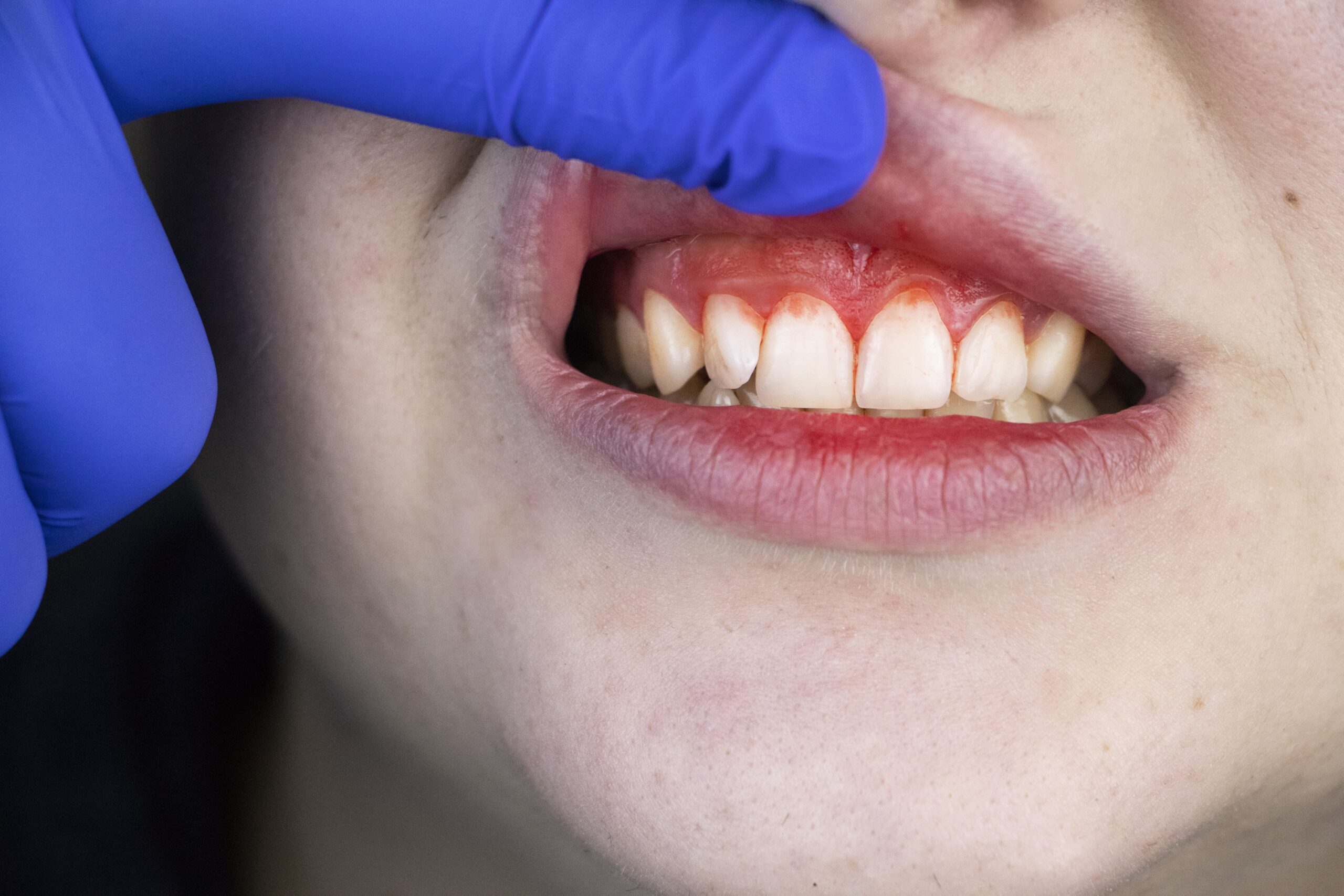
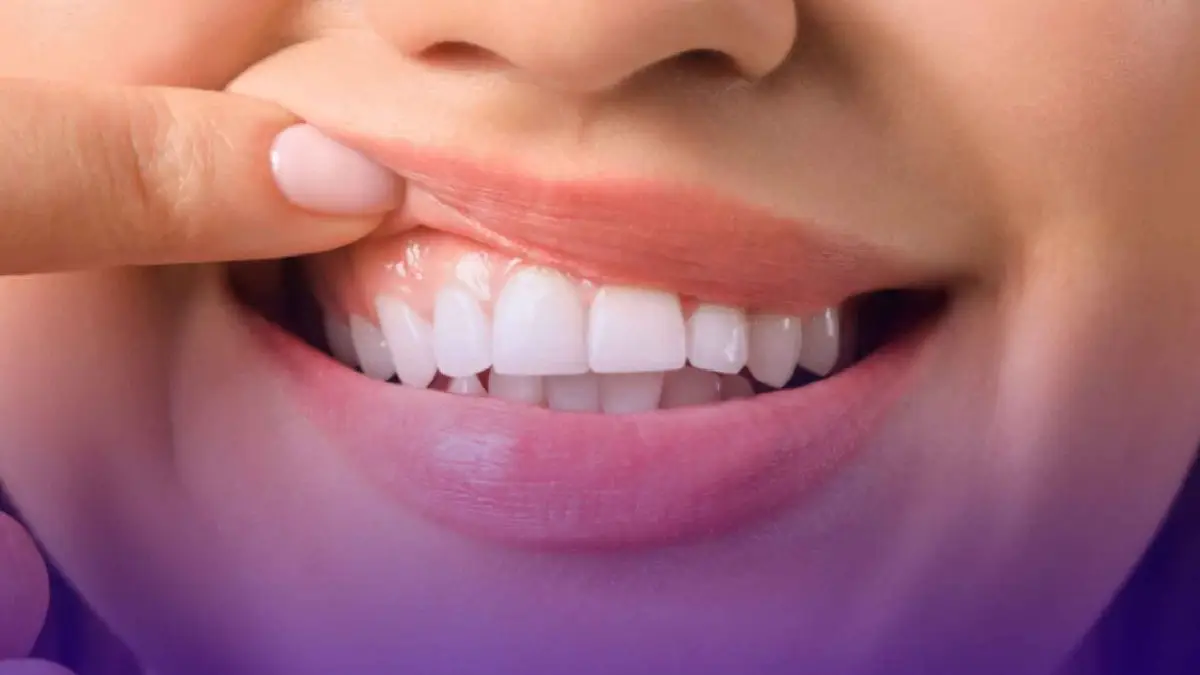
Periodontal disease, also referred to as gum disease, is a disease that is an infection of the tissues that keep your teeth. It normally starts with gingivitis, a mild form of inflammation of the gum, which results in redness, swelling, and bleeding during brushing or flossing. Unattended, it might develop into periodontitis, which is a severe stage, as gums begin to recede, pockets emerge around the teeth, bone loss might happen and the loss of teeth can be developed.
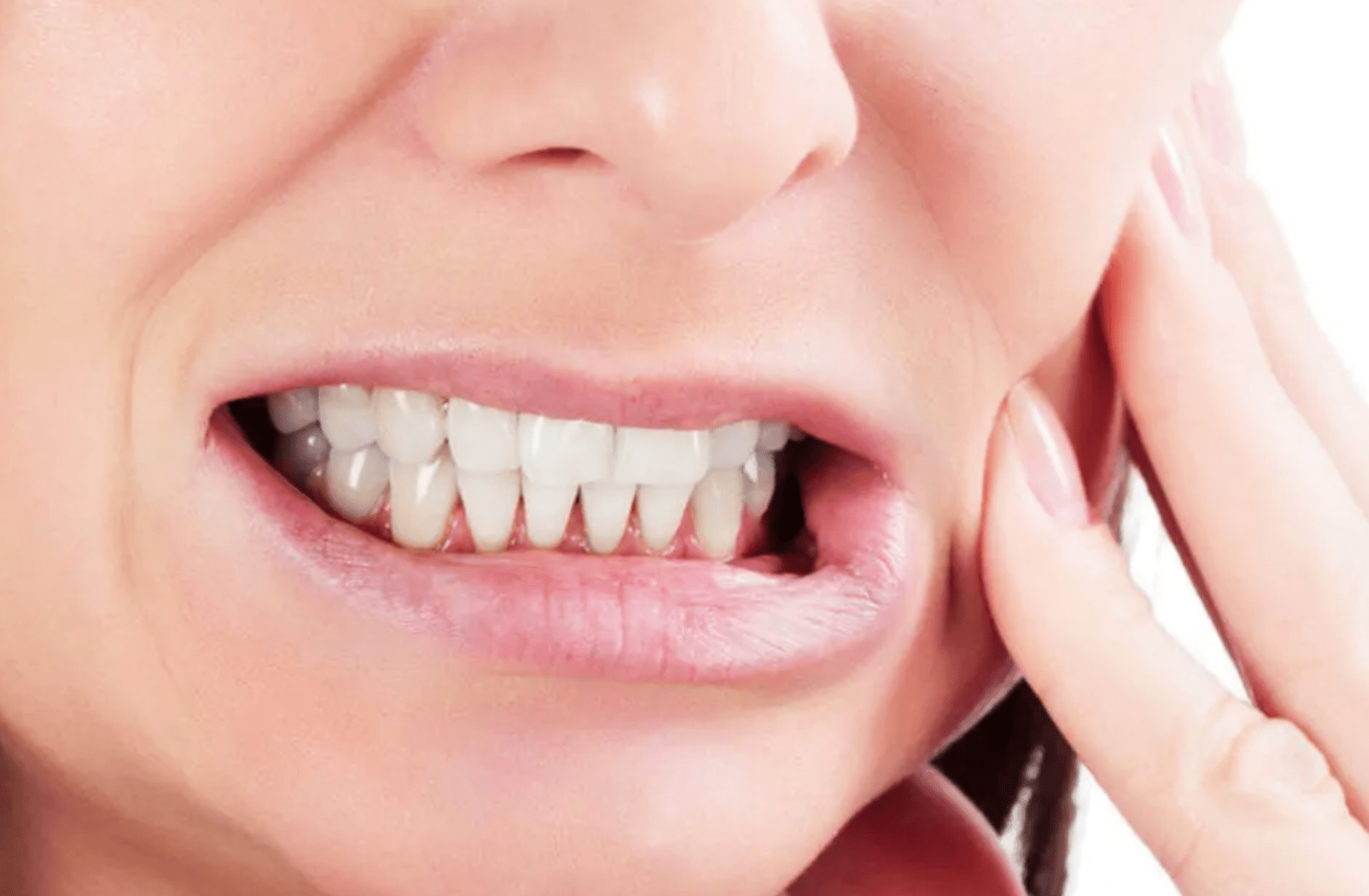
Typical symptoms of periodontal disease are bleeding gums, receding gums, bad breath, soft and sore gums, and swollen gums. Early symptoms are overlooked by many, this is why it is critical to detect them early. Early detection of periodontal problems leads to less progression and sustenance of long-term periodontal conditions.
Why Toothpaste Matters in Treating Periodontal Disease
Some toothpastes are more effective at combating periodontal disease than others. The most appropriate toothpaste for periodontal disease is not just a cleaner for teeth. It is an active proponent of gum health. Toothpaste is also highly specialized which includes antibacterial agents that serve to minimize the number of harmful bacteria, enamel protection, and inflamed gums. This provides a better defence to your mouth against periodontal problems.
Normal toothpaste mainly emphasizes whitening or refreshing breath. Gum health toothpaste is aimed at addressing the causes of periodontal disease. The most popular active ingredients are stannous fluoride, which makes the enamel stronger and gets rid of bacteria, triclosan, which has anti-inflammatory and antibacterial effects, and such natural ingredients as aloe vera that can soothe irritated gums.
Paint the right toothpaste and use the correct brushing method to achieve the best results. Brush with a 45-degree angle along the gum line twice a day for 2 minutes. This will make the active ingredients reach the teeth and gums to keep the periodontal health optimum.
Features to Look for in the Best Toothpaste for Periodontal Disease
When you have to select the best toothpaste to use in periodontal disease, their use should go beyond cleaning your teeth. The following are the main features to be considered:
Antibacterial properties
An effective toothpaste ought to assist in the reduction of harmful bacteria which bring about periodontal disease. Such ingredients as stannous fluoride or triclosan may help to combat plaque and prevent infection.
Anti-inflammatory ingredients
Calming substances like aloe vera or chamomile would minimize swelling and irritation of the gums, helping to maintain healthier gums.
Plaque and tartar control
Effective toothpaste will help to remove plaque before it becomes hardened into tartar, which may increase the severity of periodontal disease in the case of lack of treatment.
Enamel protection
Enamel fortification helps avoid cavities in the teeth and keeps them strong besides treating gum problems.
ADA approval
Find out products that are approved by the American Dental Association as being safe and effective.
Flavor and texture
Tasting yummy and having a very smooth texture makes it more comfortable to brush regularly which is essential for the well being of the gum. With the help of these characteristics, you can choose a toothpaste that not only cleans your teeth but also contributes to periodontal health.
Top Recommended Toothpastes for Periodontal Disease
Many toothpastes help prevent periodontal disease in many ways. There are different toothpastes that are recommended by many dentists in the United States. These top recommended toothpastes for periodontal disease are given below:
Crest Gum Detoxify Toothpaste
This toothpaste employs stannous fluoride and activated foam to penetrate below the gum line and counteract all the harmful plaque bacteria. It has the ability to reduce bleeding gums, calm inflamed tissues as well as strengthen enamel. Perfectly suitable to use on a daily basis in case you desire intensive gum health.
Pros: Bacteria of the gum line, preventive of gingivitis, and ADA approved.
Cons: Some of the formulas might be strong to start with.
Parodontax Clean Mint Toothpaste
Parodontax is specially programmed to be applied in the gums with stannous fluoride and mineral salts to aid in the reduction of inflammation, plaque, and bleeding. Numerous users record a significant improvement in the health of their gums within weeks.
Pros: Clinically proven to be effective in the reduction of bleeding, good plaque support.
Cons: The taste of mint may be too strong.
Colgate Total Gum Health Toothpaste
Another famous all-purpose paste contains anti-bacterial properties that combat plaque, gingivitis, and irritated gums which also shield the enamel. This means that it is a flexible option, should you wish, with periodontal support as well as routine oral health coverage.
Pros: Wide-spectrum anti-bacterial action, aids in plaque reduction, can be used daily.
Cons: Not quite as specific as certain gum-directed formulas.
Sensodyne Sensitivity & Gum Toothpaste
Ideal when the periodontal problems are sensitive. It has stannous fluoride that aids in the well-being of the gum and reduces sensitivity. It cushions weak points and does not irritate.
Pros: Soft on sensitive teeth and gums, is pain-relieving.
Cons: Minimally increased price.
TheraBreath Healthy Gums Toothpaste
The choice involves the use of antimicrobial drugs such as CPC and soothing ingredients such as aloe vera and tea tree oil. It aids the minimization of plaque and gingivitis and does not contain artificial colors and flavors.
Pros: Natural ingredients that soothe, suitable for those who want other formulas.
Cons: Not as effective as prescription-heavy antibacterial toothpastes.
All these alternatives contribute to addressing gum irritation, plaque accumulation and bacterial proliferation, which cause periodontal disease, and are thus the best toothpaste to use in daily oral care practices.
How to Maximize Toothpaste Effectiveness
Selecting the most appropriate toothpaste to use in the treatment of periodontal disease is not the only step to take. Correct brushing and a full oral care routine were needed to make the best use of it.
Brushing tips
Brush at least two times a day, for a minimum of two minutes. Apply a soft-bristled toothbrush and circular movements at a 45-degree angle towards your gums. Do not use vigorous scrubbing, it may cause irritation to the gums and aggravate periodontal problems.
Complementary oral care
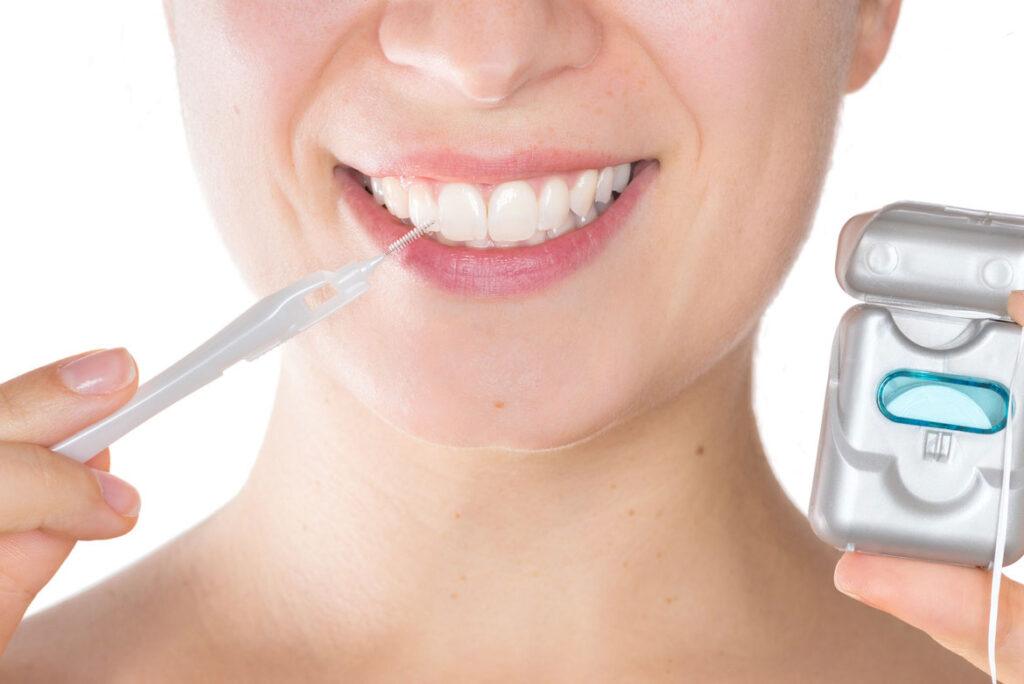
Brush every day to get plaque out of the teeth and tiny food particles that cannot be accessed by toothpaste. Flush with a mouthwash that kills bacteria further. Frequent dental cleanings every six months are useful in keeping the gums healthy and at an early stage of problems.
Lifestyle habits
Gum health is achieved by taking a well-balanced diet that has high levels of vitamins and minerals. One should not smoke because it predisposes one to periodontal disease. Keep yourself hydrated in order to keep the saliva flowing and this is an automatic way to protect your teeth and gums. You can substantially enhance the condition of periodontal health by combining the right toothpaste with these habits and preventing gum disease. Dental nutrition is essential to keep your oral well-maintained.
When to See a Dentist
Major cases of periodontal disease do not, even after using the best toothpaste, substitute for professional dental treatment. One should be aware of the warning signs that the dentist needs to attend to. Chronic bleeding gums, swelling, gums receding, loose teeth, or bad breath are some of the signs that periodontal disease might be advancing to a level that can no longer be handled with toothpaste.
Professional dentists help prevent advanced periodontal diseases. Dentists may also provide deep cleanings, scaling and root planning or any other type of treatment to eliminate bacteria and avoid additional destruction. Prevention of teeth and overall oral health can be achieved by early intervention.
Most dentists in the United States advise the use of a six-month check-up. Regular check-ups enable your dentist to check on the condition of your gums, identify problems early and give you information on the best toothpastes and oral care habits.
Conclusion
The selection of the most appropriate toothpaste for periodontal disease is an important measure to keep the gums healthy and avoid the development of additional issues. The right toothpaste has the potential to reduce plaque and inflammation and also make your teeth stronger, which is why it becomes an indispensable item in your oral hygiene practice.
Half-daily practices are equally crucial. Brush twice a day with technique, floss on a regular basis and consider using antibacterial mouthwash as an aid to the gums. A combination of these practices and a toothpaste that is prepared to take care of the periodontal care will show a difference with time.
Toothpaste is not all you need. Visit your dentist every now and then, listen to his/her advice, and use the prescribed toothpastes regularly. Daily care and professional advice will make you maintain your gums, avoid the further development of periodontal diseases, and have a healthier and more confident smile. Visit Dental Advice Today to get more tips to maintain your oral hygiene.
FAQ
What is the best toothpaste for receding gums?
Toothpaste that has been designed to protect the gums, e.g. stannous fluoride toothpaste, or anti-inflammatory toothpaste, may be used to strengthen the gums and slow down additional recession. Although toothpaste is not able to undo the receding gums, it helps maintain general periodontal health and avoid further destruction.
Can toothpaste reverse periodontal disease?
Toothpaste with specifications can be used to control the symptoms, slow the plaque, and even calm down the inflamed gums, but it is impossible to completely restore the developed periodontal disease. To be much better, use toothpaste in conjunction with proper brushing, flossing, mouthwash, and professional treatment of the mouth.
Is natural toothpaste effective for periodontal disease?
Natural toothpastes, especially those containing ingredients such as aloe vera, tea tree oil or baking soda can calm down gums and lessen the amount of bacteria. Although they are beneficial in maintaining periodontal health, more clinically proven antibacterial agent products can be used in more complicated cases of gums.