A beautiful smile for enhancing your personality is a major concern in dentistry nowadays. Everyone wants a healthy smile. Your teeth play a pivotal role in maintaining your smile and enhancing your personality. But the yellowing of your teeth can disrupt your smile. It can lead you to have a poor appearance. The resolution of this issue led many people to have teeth whitening treatments. So, they compromise their teeth’s health for cosmetic dentistry procedures to enhance their smile. It is important to understand the importance of good oral hygiene in maintaining a happy, healthy smile.
What Causes Teeth to Appear Yellow?
Yellow teeth could be due to various reasons and impacting factors. Some of these factors that affect the appearance of your teeth to become yellow are given below. Have a note of them to better understand the causative agents of your teeth’s yellowing. These are given as:
Natural Tooth Structure
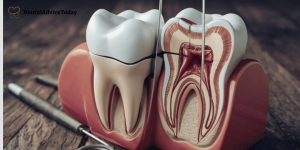
Natural tooth contains the covering of tooth enamel on the dentin structure. Enamel is usually translucent, whereas dentin has a yellow tone. When the enamel of your tooth becomes thinner for any reason, your teeth appear yellow.
This yellowing of your teeth could be due to any genetic conditions or any harmful substances. In some cases, poor oral and dental health could also be a reason.
Age-Related Changes
With increasing age, not only does your body undergo various degenerative changes, but also your teeth and gums wear down. In the elderly, the tooth enamel weakens, and dentin becomes darker. In old age, people’s tooth enamel does not regenerate, which causes the teeth to appear yellow.
Moreover, long-term exposure to staining agents like caffeine or smoking can lead to yellowing of your teeth.
Diet And Lifestyle Factors
What you eat or drink directly impacts your gut and dental health. Good dental nutrition is essential for maintaining good oral hygiene. It facilitates enhancing the dental strength and the appearance as well.
Having teeth-staining agents like coffee, tea, and red wine over a period of time can leave a dark stain or mark on your teeth. Teeth yellowing is common, particularly in smokers. Nicotine in cigarettes causes the yellowing of teeth. Moreover, they have poor oral hygiene, which leads to bad breath, yellowing of teeth, and lips.
Furthermore, dark-colored food substances and food colours increase the risk of teeth yellowing. Besides these, the foods that have high acidic content may contribute to eroding the tooth enamel and cause further dental complications. All these dietary and lifestyle factors can contribute to making your teeth yellow.
Oral Hygiene Habits
Many dentists report that the patients who complain about bad breath and yellowing teeth have poor oral hygiene. They do not brush their teeth regularly. Due to not cleaning the teeth properly, plaque and tartar build up in their teeth and gums. These lead to bad dental hygiene. Moreover, poor oral hygiene habits like improper brushing techniques can add to it.
Medications and Medical Conditions
Use of some antibiotics, like tetracycline, and excessive use of fluoride toothpastes can lead to yellowing of your teeth. Some people suffering from childhood illnesses may have yellow teeth. Apart from this, chemotherapy can also be a reason for teeth yellowing. It is one of the side effects of chemotherapy treatment.
These all could be possible causes of teeth yellowing that causes long-term damage to your teeth. If you do not consult your dentist, it can prolong, and you may have further dental complications.
Are Yellow Teeth Actually Healthy?
Yellow teeth are not always unhealthy. Some people naturally have slightly yellow teeth due to various reasons. Individuals might have slightly yellow teeth but a stronger one. So, it is essential to understand whether your teeth are naturally slightly yellow or have become yellow over the period of time. The following are some reasons that explain why yellow teeth could also be strong:
Strength of Tooth Enamel
Some individuals naturally have a thick enamel that may appear slightly yellow. It is because it has a high mineral content. Besides these factors, this hard enamel not only provides you with gum and jaw strength but also provides better resistance to cavities. Moreover, a stronger tooth enamel facilitates reducing sensitivity.
Misconception of White Equals Healthy
People have a misconception that always white teeth are healthy teeth, but for some individuals, this statement is not true. Some individuals have cosmetic dentistry procedures, like teeth whitening, to whiten their teeth. It is pivotal to understand that having white teeth does not ensure healthy, stronger teeth. It only helps to enhance your smile’s appearance.
In a matter of fact, over-whitening of the teeth damages the enamel of your teeth. And ultimately, this damage to tooth enamel contributes to tooth decay. Moreover, it is important to understand that artificial tooth whitening does not improve your dental health. It only helps you to upgrade your teeth’s appearance. There are various natural tooth variations present. It is not necessary to have clear, white teeth. Besides this, it is pivotal to have stronger teeth and gums.
Yellow Teeth as an Indicator of a Dental Problem
Yellow teeth may be a cause of some underlying dental conditions. Your teeth could be an indicator of trauma or any dental issue. That can worsen over the period of time if not addressed. Some of the signs of dental problems are given below:
Signs of Poor Oral Health
Poor oral health indicates poor dental care. Gum inflammation, persistent plaque buildup, and bad breath are the greatest signs of poor oral health. All these factors contribute to increasing the risk of cavities in your teeth. Poor oral health makes a person sick of their dental health.
Sudden or Uneven Discoloration
Changes in your teeth’s appearance are one of the most visible signs of poor dental hygiene. Discoloration of teeth occurs mostly whenever there is any underlying causative agent or any trauma to your teeth. Tooth decay, or enamel erosion, could also be a reason for sudden or uneven discoloration of your teeth. Moreover, dead or infected pulp can also cause changes in the tooth’s appearance.
Medical Perspective of Yellow Teeth Vs White Teeth
Teeth color is often the first attribute that people notice and base their judgment on. Generally, white teeth are seen as a sign of good health, cleanliness, and confidence, while the popular belief of unhealthiness is mostly attached to yellow teeth. Even so, medically speaking, tooth color cannot be a reliable indicator of oral health.
Human beings have different natural tooth colors. For example, some individuals will have a warm, yellowish tint naturally because the dentin layer under the enamel is inherently yellow. As you know, tooth enamel is translucent, so the color of the underlying dentin will affect the overall shade. So a tooth can be yellowish visually and, at the same time, be healthy.
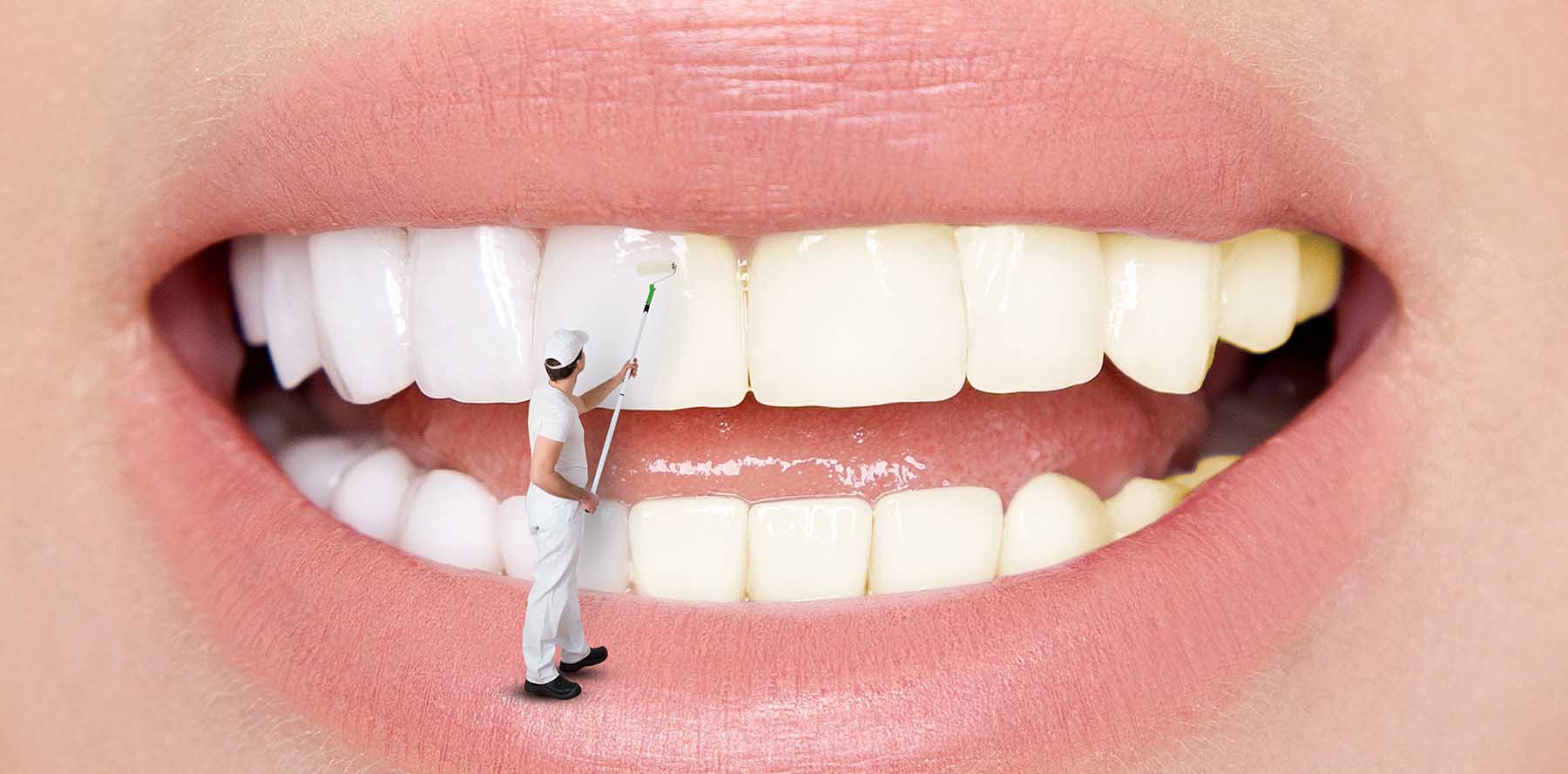
Furthermore, you should also know that whitening procedures are just for appearance. Whitening treatments do not make teeth stronger, enhance the quality of enamel, or keep dental disorders away. Overdoing whitening treatments, especially if done without professional advice, can lead to more problems than benefits. In fact, it can cause enamel to become thin and increase sensitivity.
The Role of Cosmetic Dentistry in Tooth Color
Tooth whitening is one of the most popular dental procedures for people nowadays. To lighten teeth in a safe and even way, bleaching and other professional whitening procedures can be used. These procedures carefully use controlled concentrations of whitening agents for the whitening process. These treatments not only enhance the look but also improve the dental health, if one is done correctly.
Sometimes dentists advise veneers or bonding for the teeth that are severely discolored, traumatized, or unevenly colored. These treatment options are only for surface treatment because they only treat the discoloration.
Furthermore, it is important to understand that cosmetic dentistry does have its drawbacks. The excessive use of whitening agents during the teeth whitening procedures can cause enamel to become weak and gums to become irritated. Moreover, the development of prolonged tooth sensitivity. This is the main reason why it is necessary to be under the supervision of a dentist whenever whitening is done.
Risks of Over-Whitening Teeth
Whitening procedures enhance the tooth appearance but can lead to damage to your teeth. Teeth whitening treatments come with the risk of damage. The following are some risks of over-whitening your teeth. These are given as:
Enamel Damage
Enamel damage due to over-whitening is among the most frequent risks. The whitening substances get into the enamel to separate the stains, but if the enamel is exposed very often or for a long time, it can get worn out.
When the enamel is damaged, teeth become more sensitive to temperature and sugary foods. The loss of enamel may also increase the risk of cavities, as the bacteria can affect dentin more easily. Moreover, it is important to know that enamel does not grow again, once it is gone, the damage is irreparable.
Gum and Soft Tissue Irritation
Too much whitening can be damaging not only to your teeth but also to your gums, lips, and the inside of your cheeks. If you use powerful bleaching chemical agents, these can cause a chemical burn of the gums. It results in soreness and pain. Moreover, inflammation and redness may also occur as a result of tissue irritation.
Maintain Healthy Teeth
Healthy teeth are not about the color of the teeth but about how well they are taken care of. Good oral hygiene plays a pivotal role in maintaining dental health and improving overall oral health. It matters more than cosmetic dental treatments like teeth whitening.
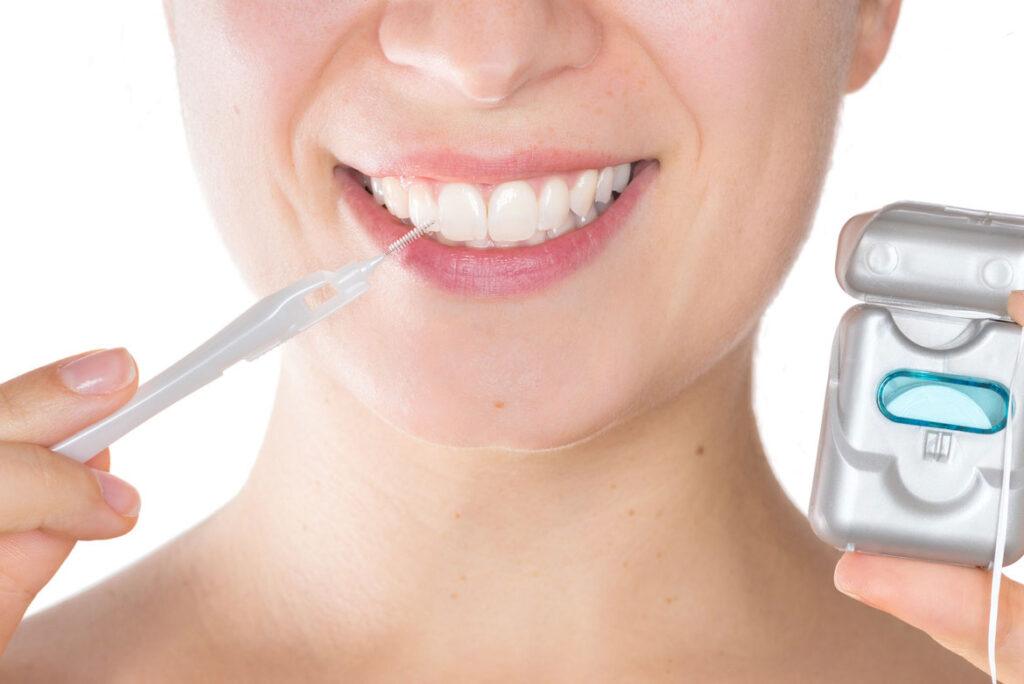
Brushing daily with a fluoride toothpaste removes the plaque. Moreover, flossing every day helps you get rid of the dirt between your teeth that a toothbrush cannot reach. It helps to lessen the chances of gum disease and cavities.
The appearance of teeth does not always tell the truth about their health. To be sure, these habits guarantee your teeth to be strong, functional, and without any disease, even if their color is not perfect.
Professional Advice
Your dentist will help you understand the color of your natural teeth. Your dentist will help you know the difference between healthy yellow teeth and problematic yellow teeth. Because sometimes yellowing could be a tip of the iceberg, indicating enamel erosion and a lack of certain nutrients. And even if it is left untreated, it can enhance the chances of cavities.
Conclusion
Your tooth color is not a reliable indicator of your oral health, the strength, or the cleanliness of your teeth. Strong enamel, healthy gums, and proper hygiene are way more important than the color.
A cosmetic dental treatment can really give a person a confidence boost, but dental health should be the top priority. Good oral hygiene and disease prevention should really be the main focus, rather than focusing on perfect white teeth. You can consult dentists at Dental Advice Today.
FAQs
Why Might Some People Have Naturally Yellow-Colored Teeth?
The natural color of teeth is determined by genetics, enamel thickness, and dentin color. As enamel is translucent and dentin has a yellowish color, persons with thin enamel or naturally dark-colored dentin may have yellowish teeth despite their good oral health.
Is Aging the Reason for Turning Teeth Yellow?
Yes. With aging, enamel wear leads to dentin being more exposed, making it visible as a yellow color. Use of staining materials like coffee, tea, or tobacco could also lead to yellowing.
Do White Teeth Have a Health Advantage Over Yellow Teeth?
No. The color of the teeth enhances your appearance, but it is not only an indicator of the overall health of the teeth. Even white teeth could be weak and have cavities, or have gum disease. Moreover, strong, shaped, and clean teeth are what healthy teeth are all about. It is not always their color.
Can Over-Whitening Damage the Teeth?
Yes. Excessive whitening may predispose an individual to weakened enamel and increased tooth sensitivity. Moreover, it causes gum irritation and increases the chances of forming cavities. Tooth enamel does not regenerate and can lead to permanent damage.
Is Lifestyle Associated With Yellowed Teeth?
Smoking, drinking coffee, tea, red wine, or consuming dark-colored or acidic foods can easily leave stains on the teeth. Moreover, poor oral habits of brushing or flossing can easily lead to buildup that further helps in discoloration.
When are Yellowed Teeth a Cause for Concern?
A yellow-colored tooth can be a cause for concern if it becomes yellow suddenly, unevenly, or if accompanied by tooth sensitivity. Moreover, if you have bad breath or inflammation around the tooth can also indicate a tooth concern. Such signs may indicate a cavity, tooth erosion, or infection, which may call for a visit to a dentist.
Do Teeth Whitening Products Improve Oral Health?
No. Whitening procedures are purely cosmetic. They enhance looks but do not harden enamel, protect against cavities, or promote gum health. Proper oral hygiene is needed for the maintenance of actual good oral health.
Is Professional Whitening Safer Than OTC Whitening Products?
Yes. Because professionals use controlled amounts in dentist-directed whitening. It will be safer compared to self-whitening, which can cause damage to your enamel and irritation in your gums.
What are Some Ways to Take Care of My Teeth Regardless of Their Color?
Good oral hygiene practices include brushing teeth twice a day with fluoride toothpaste, flossing each day, and having a balanced diet that is low in sugar. In addition to this, abstaining from smoking and frequent dental checkups are good to have. Moreover, good habits are more preferable than having pearly white teeth.