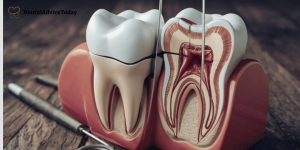
Baby Delayed Teeth Eruption? Watching your little one grow is full of fun moments. One big step is when their first baby tooth eruption happens. But sometimes, there’s a delayed eruptions. This refers to the late maturation of the teeth. The majority of the babies receive their initial teeth at the age of 6 to 10 months old. In the case of a delay such as after 12 or 18 months, parents may be concerned with the late eruption of infant teeth. Parents interested in eruption timing will likely want to understand how teeth develop inside the skull first.
Before teeth show up, you might see signs like swollen baby gums before teeth erupt. Babies can drool or chew on things. Parents often ask, how long for baby tooth to erupt? It can take days or weeks for each tooth to push through fully. This blog will cover normal baby teeth eruptions, patterns, signs of delay, causes of delayed teeth eruption in babies, and what to do next. We’ll use easy words so you can understand everything. Stick around for helpful info from trusted sources.
Understanding Normal Baby Delayed Teeth Eruption
Let’s start with the basics. Babies have twenty infant teeth that erupt over time. The age at which baby teeth come through is not uniform, but generally there is a general order.
Baby Delayed Teeth Eruption Order and Timeline
- Start with the bottom baby teeth erupt. These are the lower front teeth, called central incisors, around 6 to 10 months. Next come the upper front ones at 8 to 12 months. Side teeth, or lateral incisors, show up between 9 and 16 months.
- After that, the back teeth arrive. First molars come at 13 to 19 months on top and 14 to 18 months on bottom. A canine teeth eruption happens next, from 16 to 23 months. These are the pointy ones. The last are the second molars, around 23 to 33 months.
- Not every baby follows this exactly. Some might have an abnormal primary baby teeth eruption sequence, like teeth coming out of order. By age 3, most have all 20 teeth.
- Understanding how baby teeth form inside the skull is the first step to recognizing whether eruption is on time or delayed. Learn more in our guide on Baby Skull Teeth and How They Develop.
Here’s a simple Baby Delayed Teeth Eruption chart to help:
| Tooth Type | Upper Jaw (Months) | Lower Jaw (Months) |
|---|---|---|
| Central Incisors | 8–12 | 6–10 |
| Lateral Incisors | 9–13 | 10–16 |
| First Molars | 13–19 | 14–18 |
| Canines | 16–22 | 17–23 |
| Second Molars | 25–33 | 23–31 |
This chart shows the usual times. For example, an 8 month old baby canine teeth erupting rare since canines come later. But if you see early signs, it’s okay.
What Happens Baby Teeth Before Eruption
- Before teeth pop out, gums get ready. You might notice baby gums before teeth erupt looking red or puffy. Babies can be fussy or put fingers in their mouth. Drooling increases too. The eruption of each baby tooth can take several days or weeks. They can be cooled with teething toys or cold clothes.
- Note, these are only guidelines. When your baby is healthy, there is no problem with small shifts in timing.
Signs of Delayed Baby Teeth Eruption
- No teeth by about 13 months: A late eruption of baby teeth means no teeth by about 13 months. Or, teeth might come in much later than the chart shows. If your baby is over a year old with no signs of baby teeth eruption, it could be a delay.
- Uneven growth or unusual order: Other signs include uneven growth. Maybe only one side has teeth, or the order is off, like 1st canine teeth eruption happening before the front teeth. This might point to an abnormal primary baby teeth eruption sequence.
- Chewing or speech issues later: Babies with delays might not chew well or speak clearly later. Many kids catch up without problems. Still, watch for other issues, like slow growth overall.
Causes of Baby Delayed Teeth Eruption
| Cause of Delayed Baby Teeth Eruption | Details |
|---|---|
| Family History / Genetics | If mom or dad had late teeth, baby might too. Genetics play a role. |
| Premature Birth or Low Birth Weight | Being born early or with low weight is another. Premature babies often have delayed teeth eruption in babies, like slower growth. |
| Poor Nutrition (Vitamin Deficiency) | Poor food intake can also slow things. Babies need vitamins D and C for strong teeth. Without them, eruption delays. |
| Health Issues or Infections | Other issues include health problems. For example, infections or space issues in the mouth can block teeth. |
Specific Conditions and Baby Teeth Delayed Eruption
- Does celiac disease cause delayed eruption of baby teeth? Yes, it can. Celiac causes nutrients to be poorly absorbed from food. Without good nutrition, teeth grow slower. Studies show kids with celiac have later tooth eruptions than others.
- What about in vitro birth and delayed teeth eruption? IVF itself doesn’t directly cause it. But many babies conceived through IVF are born premature or small. These factors can cause delays: If your IVF child has no teeth yet, ask a doctor if the birth weight or prematurity is a concern.
- Rare causes include syndromes like Down Syndrome or Hypothyroidism. These affect overall growth, including teeth.
- To prevent delays, feed your baby a healthy diet consisting of fruits, veggies and milk. Visiting a doctor regularly detects problems at an early stage. If you think you may have a cause, get tested.
When to Worry and Next Steps
- Most delayed teeth eruption in babies isn’t serious. But know when to act.
- Worry if there are no teeth by 18 months, or if there’s big unevenness like adult teeth erupting behind baby teeth later on. Also, if the baby has other delays in walking or talking.
- See a dentist early. The American Dental Association says the first visit by age 1. They can check gums and suggest X-rays if needed.
- Once baby teeth do erupt, some infants experience grinding or clenching. This condition can affect comfort and oral health. Discover the reasons and remedies for Baby Teeth Grinding.
Common Pain Relief Options for Babies Teeth
Paracetamol (Acetaminophen) – Often recommended for babies over 2–3 months (depending on weight and doctor’s advice). It helps with fever, discomfort, and mild teething pain.
Ibuprofen – Can be given to babies usually over 6 months, but only under medical guidance. It helps reduce pain and swelling.
FAQs
What is the normal age of baby teeth erupting?
Usually, babies have their first tooth between six and ten months. The complete set of 20 baby teeth mostly erupt by 25 to 33 months. Check our Baby Delayed Teeth Eruption chart above for details.
How long does it take for baby teeth to erupt?
Each tooth can take days to weeks to fully get through the gums. On average, from when gums swell to the tooth showing, it might be about 2 months. Signs like red baby gums before teeth erupt or drooling are normal during this time.
What causes Baby Delayed Teeth Eruption?
Premature birth, low birth weight, inadequate nutrition, or family history are additional factors that contribute to delayed tooth eruption in newborns. Vitamin deficiencies or medical conditions like hypothyroidism could be other causes. If you are concerned, always consult a physician.
Does celiac disease cause delayed eruption of baby teeth?
Indeed, because the body cannot absorb the nutrients required for tooth eruption, untreated celiac disease can induce delayed tooth eruption.
Is there a link between in vitro baby and Baby Delayed Teeth Eruption?
IVF itself doesn’t directly cause delays, but many IVF babies are premature or have low birth weight, which can lead to baby teeth eruption delay.
What are signs of abnormal primary baby teeth eruption sequence?
If teeth come out of order, like canine teeth erupting before front ones, or if bottom baby teeth erupting much later than top, it might be unusual. An is early since canines usually come at 16-23 months.
When should I worry about the late eruption of baby teeth?
If there are no teeth by 18 months, or big gaps in the baby’s teeth eruption order, see a dentist. Delays might be linked to later issues like adult teeth erupting behind baby teeth.
What can delay tooth eruption in babies?
Things like pacifiers used too much, mouth infections, or space problems in gums can slow it down. Also, systemic issues like endocrine problems or hereditary factors play a role.
Conclusion
To sum up, the eruption of baby teeth is exciting and can be delayed. We discussed normal timelines using a baby teeth eruption chart, signs no teeth by 13 months, and causes of delayed baby teeth eruption such as pre-term birth or celiac disease. Most kids are fine, but check with experts if they are worried. Visit DENTAL ADVICE TODAY for more dental advice. Keep smiling!