Are you scared of scrubbing sounds from the mouths of your children? Nothing to worry about. It’s just teeth grinding sounds. The sound is rough, and sometimes it feels painful even to listen. Fortunately, baby tooth grinding is typically normal. In this blog, we will talk about why babies grind their teeth, what it means, when to worry, and how you can help your little one.
In this guide, we will discuss what these sounds are and how they affect the teeth of children. Here are some ways to keep your child safe.
What is Baby Teeth Grinding?
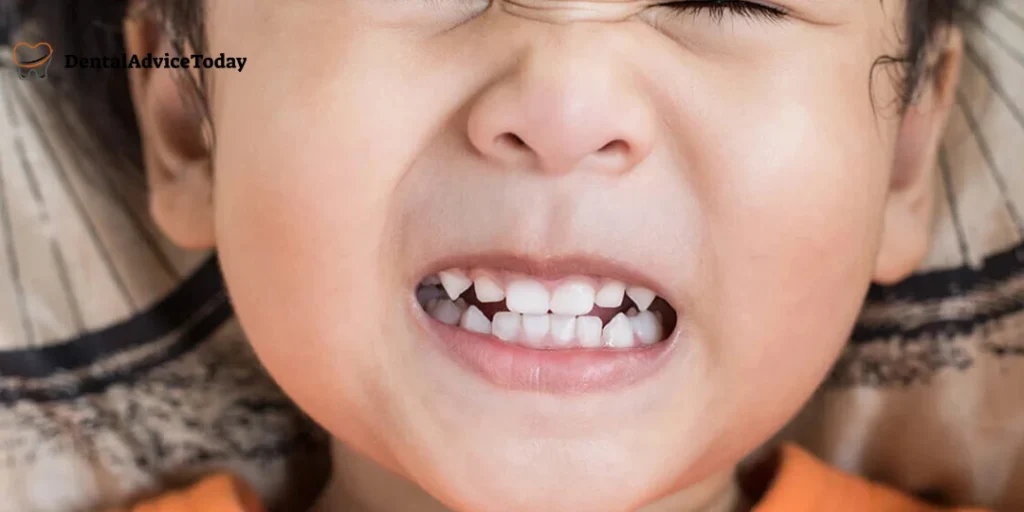
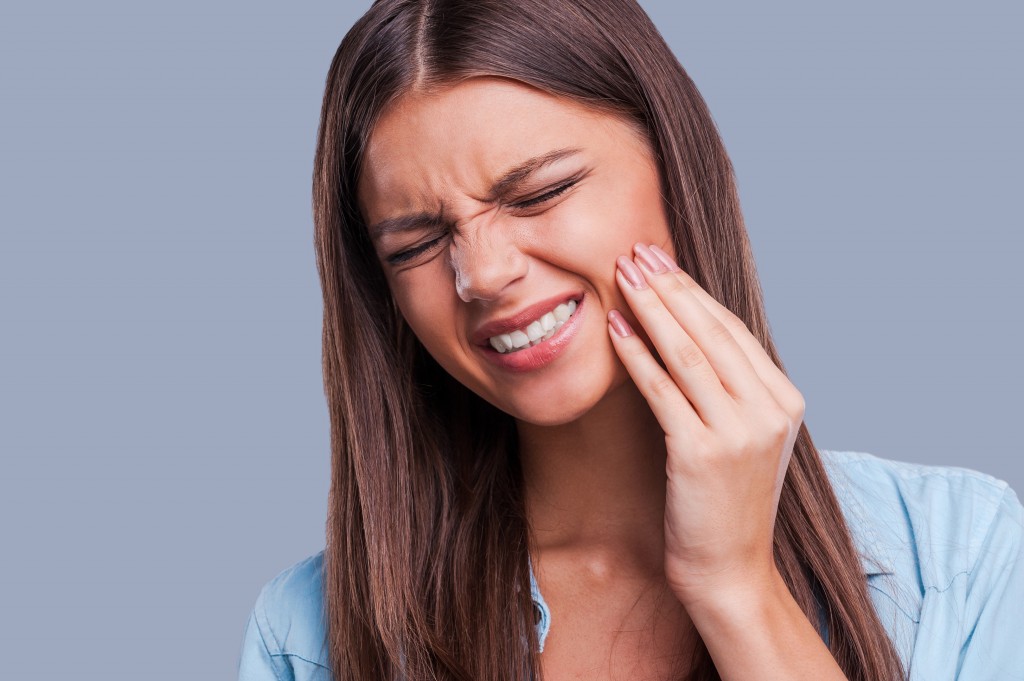
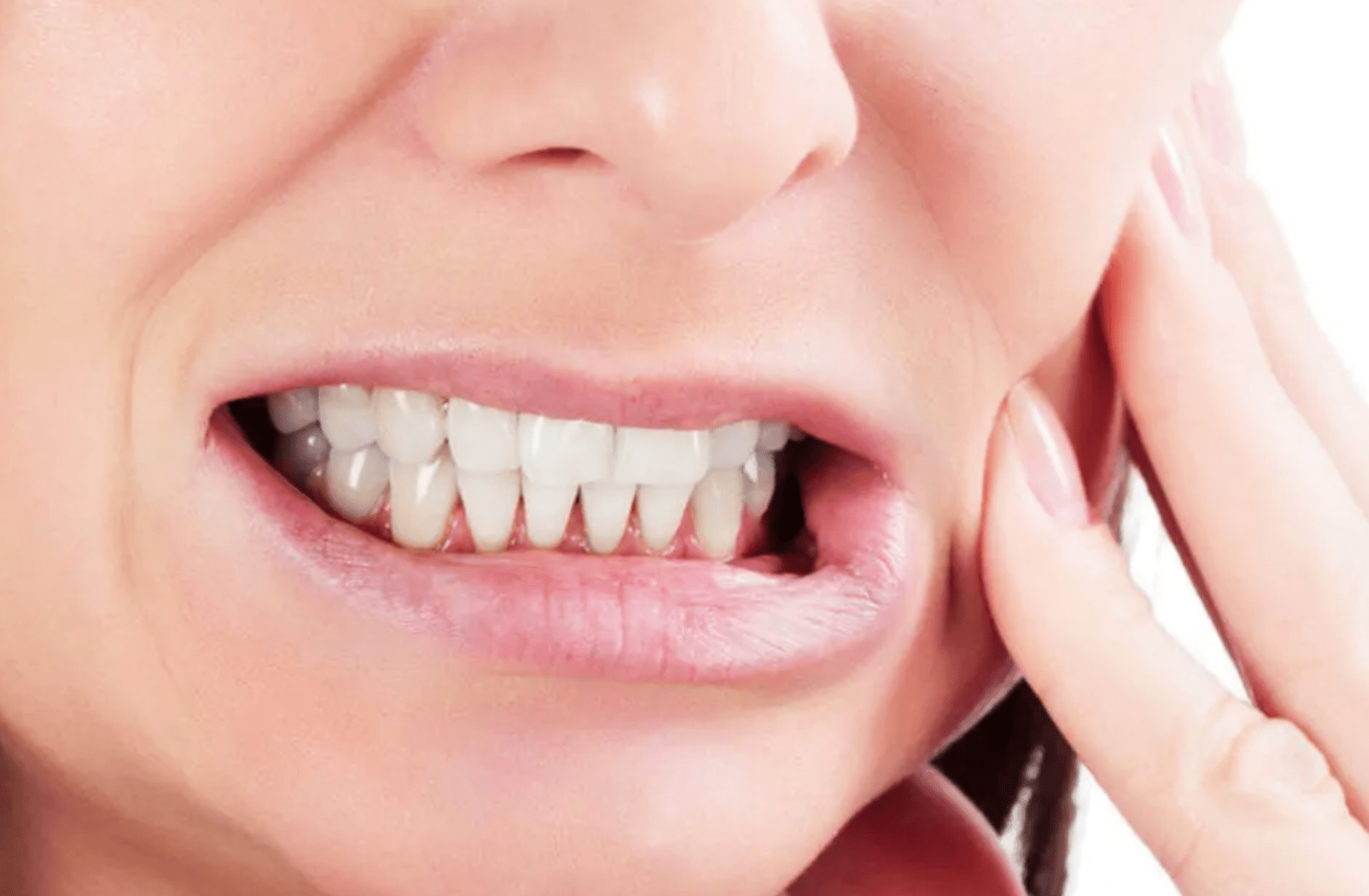
Baby teeth grinding is called bruxism and happens when a baby presses the top teeth and bottom teeth together. The baby rubs them back and forth and makes a sound. You can hear the sound during the day or at night when the baby is asleep. Teeth grinding can look scary, but it is not harmful in most cases. As they grow up and their jaws and teeth grow, babies typically outgrow them.
Bruxism can happen when the baby is tired or stressed, or has a stuffy nose or teething pain. Some babies grind their teeth for comfort, and some do it without reason. You can watch the baby and check for soreness or trouble eating.
Most of the time, grinding stops on its own and does not need treatment. You can help by keeping the baby calm and giving soft foods or teething toys, and giving gentle care.
When it starts
Many babies start when the first teeth come in. This happens between 6 and 12 months. A 9-month-old baby grinding teeth is common, and a 10-month-old baby grinding teeth is common too. A 1-year-old who grinds is still common. Your baby explores the new bite and your baby tests how the teeth meet. Curiosity drives this.
Why do babies grind their teeth?
Babies grind their teeth for many reasons, and not every reason fits every baby.
- New teeth feel strange, and the baby grinds to explore the shape and learn the bite.
- Sore gums hurt, and grinding can massage them or give some relief. Some babies like the feeling, and it gives feedback to the brain.
- Stress or excitement can make babies grind, and big days, loud places, or new skills can cause jaw clenching.
- Sleep changes and babies grind more during light sleep and at the start or end of the night.
- Nasal stuffiness can cause babies to breathe through the mouth and change jaw position, or start grinding.
- Ear pressure or tired jaws can cause a few grinding episodes or extra chewing.
- The majority of toddlers do not grind their teeth due to discomfort or issues with their teeth.
The habit is normal and usually goes away when the mouth adjusts and the teeth settle. Parents can watch and help with gum massage or soft teething toys, and the grinding often ends by itself and does not harm teeth or jaw.
What it looks and sounds like
You may notice squeaking or scraping, or clicking sounds. You may see the jaw shift side to side. You may see a focused face during play and teeth moving on purpose. You may notice teeth marks on the tongue edge or a brief startle during sleep, and then be quiet again.
Short bursts of grinding are normal, and long, constant grinding all day is less common.
Is it normal?
Yes. Baby teeth grinding is normal, and it does not mean damage or constant stress. Many parents never notice it, and many babies stop after a few weeks. Some babies come back to it off and on until more teeth arrive.
Does it hurt?
No. Babies do not grind hard enough to cause big pain or damage. You may feel uneasy because the sound is harsh and loud, or the sound may bother you. The sound is often the worst part. If your baby eats well and sleeps okay, and smiles fine, pain is unlikely.
Grinding teeth in babies is usually harmless and normal, and part of learning how teeth meet. It stops by itself or comes and goes until more teeth come in.
Baby Grinding Front Teeth
Front teeth come in first and show up early. Grinding the front teeth happens first. It often happens when your baby learns to bite food like puffs or soft fruit. Your baby tests contact from side to side. This is normal and not harmful. Watch for wear and small chips. Most front teeth handle some rubbing without a problem.
Baby Grinding Teeth at 1 Year Old
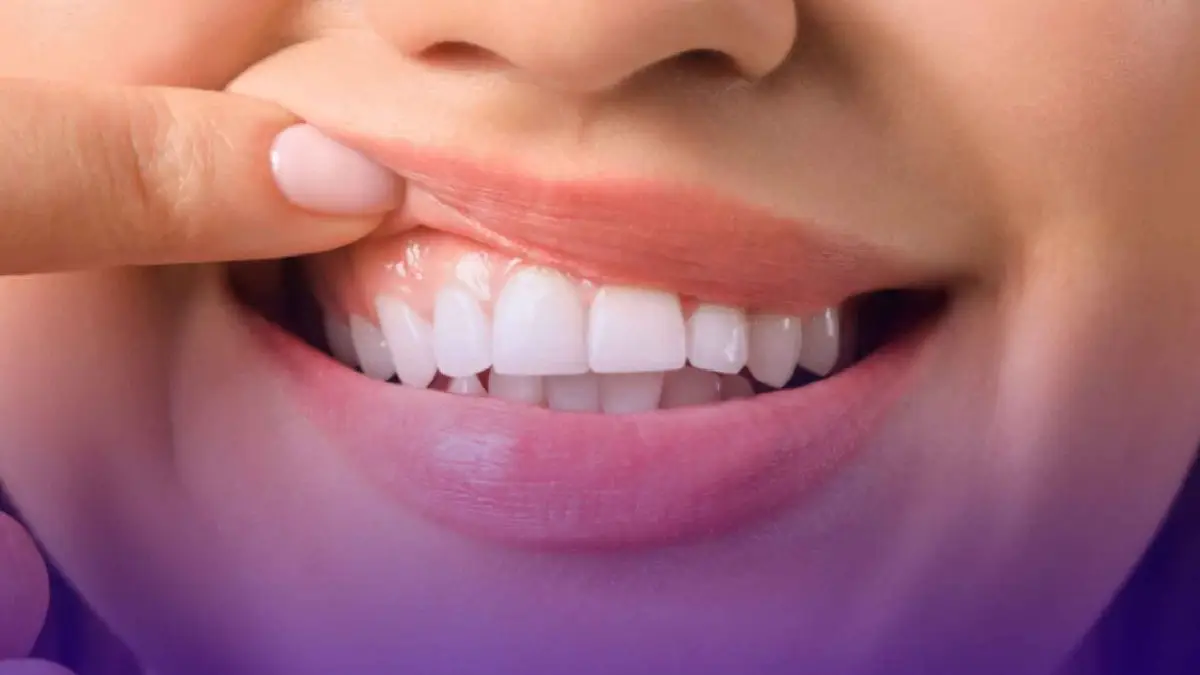
At 12 months, more teeth come in, and the bite changes. Grinding may increase for a few weeks and then calm down. Many dentists recommend a first dental visit at age one. This visit gives a baseline and peace of mind. Your dentist checks teeth alignment, enamel, and gum health. You can ask questions and learn what to watch for at home.
How to stop a baby from grinding teeth during the Day
You cannot tell a baby to stop, and you cannot force them, but you can reduce triggers and redirect the habit.
- Offer safe chewing options and use a firm teething ring or a soft silicone teether and chill it in the fridge, not the freezer. This eases gum pressure and makes chewing safer.
- Add texture at snack time and give soft foods like banana strips or avocado slices, or teething wafers. These give sensory input and help the baby chew safely. Do not give hard chunks.
- Distract and engage, and hand a toy or start a song or play peekaboo when you hear grinding. Gentle redirection works better than saying No and can help the baby forget the habit.
- Soothe the gums and rub them with a clean finger for a few seconds, and give a short gum massage. This can reset the habit and make chewing more comfortable.
- Watch the schedule and keep naps and bedtime consistent because over-tired babies grind more, and regular sleep helps reduce stress and grinding.
- Keep noses clear and use a cool-mist humidifier if the room is dry, and use a little saline and a nasal aspirator if stuffy. Talk to your pediatrician if congestion stays and nasal problems continue because they can worsen grinding.
How to stop a baby from grinding teeth at Night
Nighttime grinding is common and random, and your goal is comfort and steady sleep, not to stop it completely.
- Build a calm bedtime routine with a bath and read a book and feed, and snuggle in the same order every night. Predictability calms the nervous system and helps the baby sleep better.
- Set the room for sleeping and keep it dark and quiet, and cool. Use a white noise machine if helpful.
- Avoid bottles in bed and give the last feed before the final song or book. Milk pools on teeth and raises cavity risk, not reduces it.
- Relieve teething pressure before sleep and give a chilled teether 10 to 15 minutes before bedtime.
- Watch for snoring, by loud snoring or gasping, or frequent wakeups need a medical check, and grinding alone is not a red flag. Snoring and grinding together may indicate airway problems and need attention.
What not to do
- Do not use a mouthguard because it is not safe and it can choke the baby.
- Do not use frozen items as freezing makes teething too hard and hurts gums.
- Do not rub alcohol or gels with benzocaine as these are not safe for babies.
- Do not hang amber necklaces as they can strangle or choke the baby.
Red flags: when to call the dentist or pediatrician
Call the dentist or doctor if you see
- Teeth are getting shorter fast, or edges look flat, and cracks or chips, or broken enamel appear.
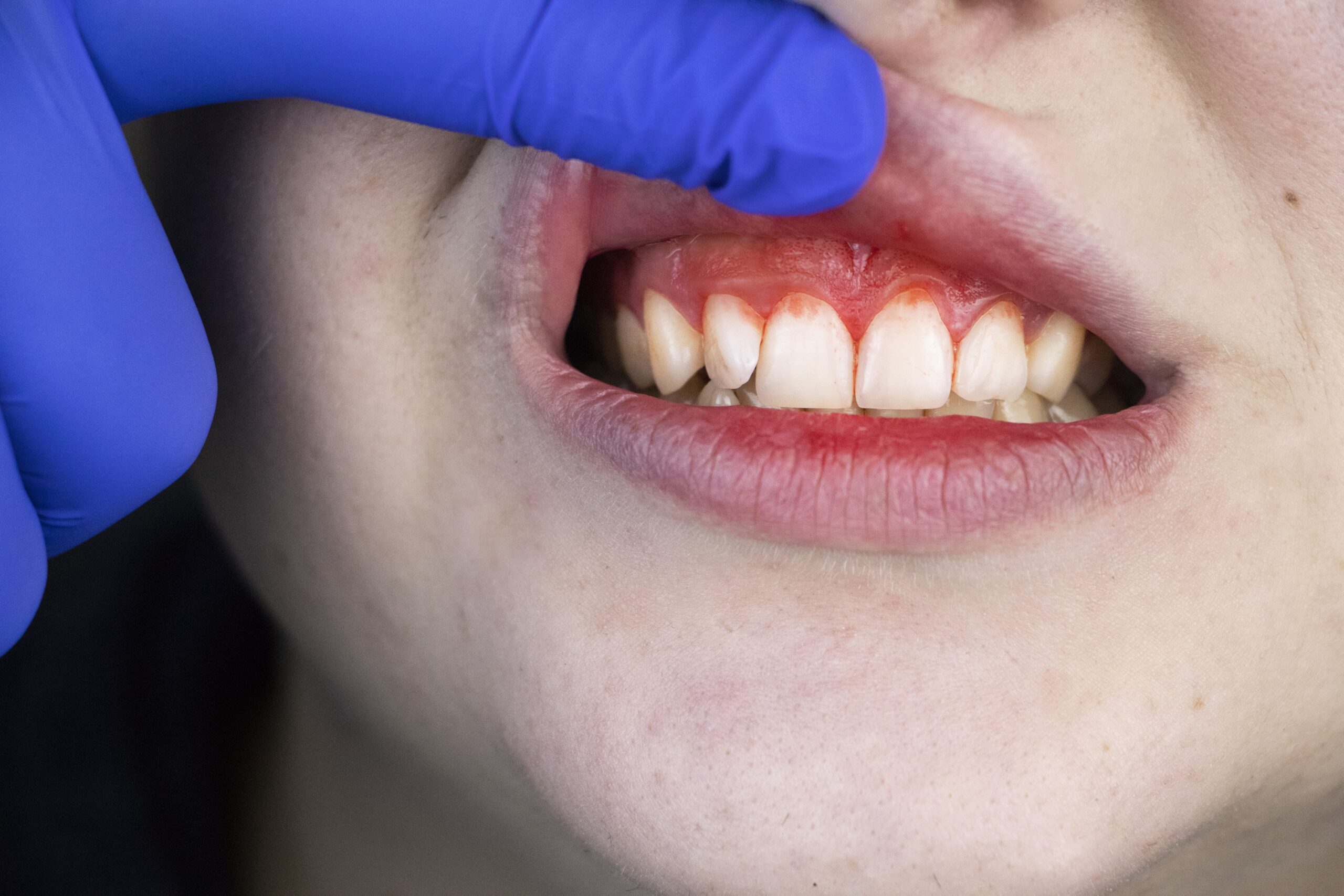
- If gums bleed not from brushing, and the jaw hurts or the child pulls at ears with fever or has poor feeding.
- If there is loud snoring or gasps or pauses in breathing during sleep and grinding that stays all day for weeks.
- If worry does not go away or you feel something is not right.
You deserve help and reassurance. A quick visit often brings answers and relief. It is better to check and be safe and know your child is okay. Do not wait and do not ignore signs. Your dentist or pediatrician can check and guide you, and protect teeth and health.
FAQs:
Will Grinding Damage Baby Teeth?
Serious damage is rare, and mild wear can happen. If you see flat edges getting very thin or cracks forming, schedule a check-up. Dentists can give advice and protect enamel.
Why Does My Baby Grind Teeth at 9 to 10 Months?
At 9 or 10 months, several top and bottom front teeth are in. Your baby now has enough tooth surfaces to rub together. Babies explore their teeth and mouth, and that helps them learn to chew and bite.
Conclusion:
Baby teeth grinding can sound scary, but it is not usually harmful. Babies grind teeth when they are teething or exploring, or adjusting. The sound can be loud and surprising, but it does not cause serious harm. Simple care helps and makes babies comfortable. Teething toys and calm bedtime and regular dental visits help.
If you feel worried, talk to your child’s doctor or dentist and trust your instincts. You know your baby best and can help them through this phase.
With time, babies stop grinding their teeth and move to the next stage of growth. This is just one phase of babyhood. Like crawling and babbling and teething, this phase passes. You do not need to panic, and you do not need to think it. Give love and care and support, and your baby will grow healthy and happy.