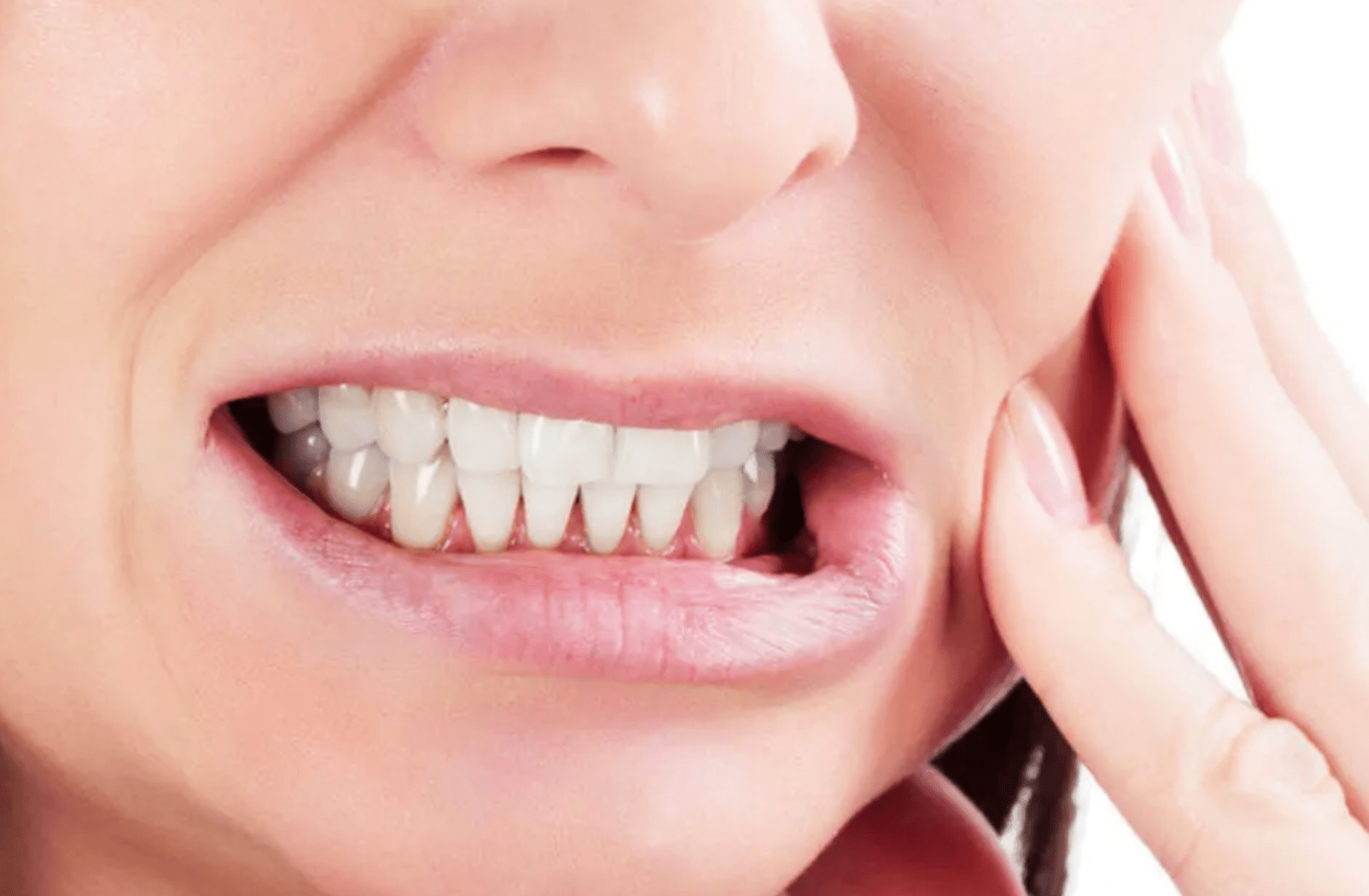
Are you having pain in your ear due to a toothache? People often think that both are connected. Some people think they are having two pains for different reasons. The teeth and the ear have the same nerve root. It is possible to feel pain in others when one is hurting.
A toothache can be a result of a cavity or an infection. You can feel it due to the tightness of your jaw. It can also cause a burning sensation that can travel to the ear through nerves. In this blog, we will learn about the causes of toothache and ear pain.
Why Can a Toothach Cause Ear Pain?
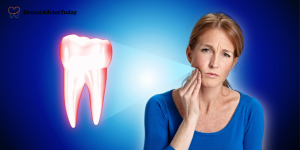
The mouth and ear are connected with nerves. These nerves send and receive signals to the brain. The trigeminal nerve is the largest nerve of the face that has deep branches. Pain in one part will send signals to the brain. These signals get mixed information in some cases. These signals confuse the pain of one or more paths. This is the reason you feel pain in your ear in case of a toothache. The nerve does not separate the pain signals that cause the burning sensation.
Causes of Ear Pain
A toothache is not the only reason for your ear pain. Some other factors can hurt your ears. Some pains are mild and can be managed easily. Some pains are hard to handle. You should not wait to seek medical help for them.
Ear infections
Some pains are a result of ear infections. Germs enter your ear and cause redness and swelling. It can produce pus and fluid inside the eardrum that causes pain. This can affect your hearing ability. Consult a doctor to manage the situation early.
Sinus infection
A sinus infection can cause ear pain. It causes mucus production inside the sinus. Mucus exerts pressure on facial nerves that can cause a painful ear. Some mild care can make a great effect. Take steam and drink water to decrease pressure. You should consult a doctor for early medical help.
Allergies
Some allergies can cause ear pain. If you get allergies from any particles. The ear pathway gets blocked or swollen. You may feel pain and difficulty in hearing.
Jaw joint problem
Stiffness in the mandible joint can cause pain in your ear. You feel discomfort in talking, eating, and laughing. This stiffness can cause pain in your ear.
Tooth problem
Any infection in your teeth can cause tooth pain. You can feel severe pain if you have pain in your back teeth. You also feel the pain of a wisdom tooth in your ear.
Earwax problem
Infection in the eardrum or earwax can cause a sharp and shooting pain. Excessive wax causes pressure on the eardrum. This pressure gives you painful sensations.
Common Dental Problems That Trigger Ear Pain
Cavities and Tooth Decay
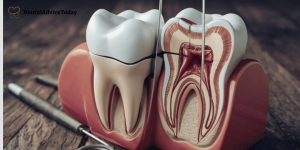
Infection in the cavity causes nerve irritation. This sends pain signals to your brain. A severe infection in the tooth cavities causes severe pain. The pain gets worse with cavity size. Your nerve gets involved if you have a big cavity hole. The same nerve has branches in your facial muscles. You feel pain in your face and ear due to pain in your teeth.
Wisdom Teeth
Wisdom teeth grow near the back of your mouth. This location is very close to the ear. A wisdom tooth usually causes pain due to less space in the jaw. It causes severe pain in the jaw and ear. A stuck wisdom tooth causes very strong pain. This can only be resolved by wisdom tooth extraction. You feel pain with chewing.
Gum Infection
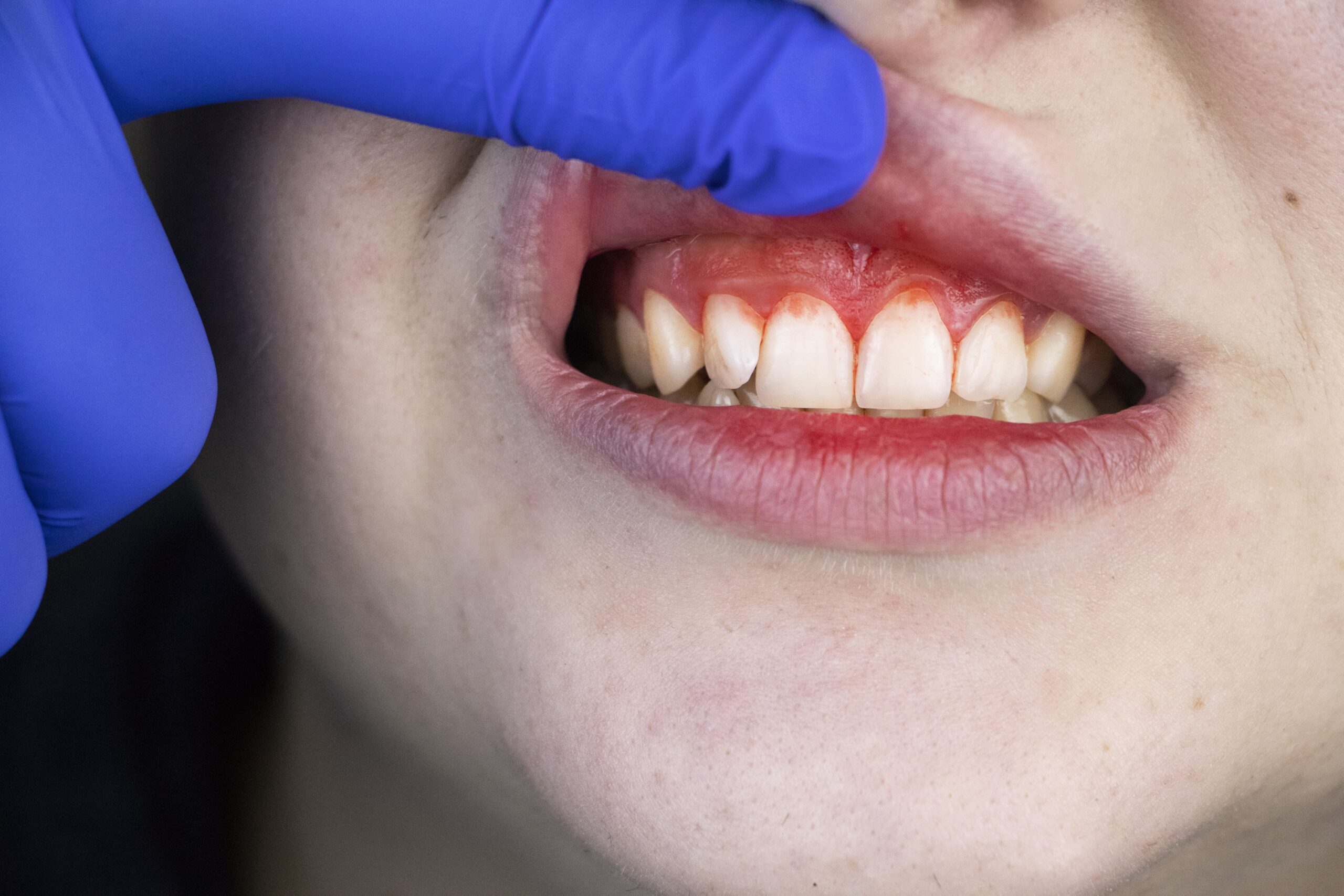
Gum infection can cause pain in your jaw. Severe infection causes bleeding, redness, and soreness. This causes severe pain that travels in the facial muscles. You feel a dull pain in your ear with gum problems. Good oral hygiene can cure this infection. Treating the pain will treat the ear pain.
Abscessed Tooth
A pus abscess forms around a tooth due to infection. This causes pain in the teeth and jaw. This pain travels from the jaw to the ear. This is a serious problem and should be managed early. The doctor will recommend some antibiotics to control the infection. This can also give relief from ear pain.
Teeth Grinding
This is also known as teeth bruxism. It is a habit of some people to grind their teeth during sleep. It is usually a sign of mental stress. This causes damage to your gums and weakens tooth enamel. The continuous movement causes pressure around the ear.
Difference Between Ear Infections and Toothache-Related Ear Pain
Ear Infection Pain
Infections cause severe pain and hearing problems in the ear. This pain will give sharp and shooting pain sensations. These infections are more common among children. It will produce fluid discharge in severe cases.
Toothache-Related Ear Pain
Some ear pains are not caused by the ear. Some tooth infections and jaw problems can cause referred pain in the ear. Gum problems are a common cause of dull pain. Finding the origin of the pain is important.
Tips for Relieving Associated Ear Pain
- Take a painkiller to relieve the intense pain
- Do not ignore your oral health
- Seek medical help if the pain is intense
- Place a cold pack on the area
- Do not rely on temporary relief methods
- Do not eat very hot food
- Do not chew from the affected side
Conclusion
Tooth pain and ear pain are related due to a mutual nerve supply. People with severe tooth infections feel pain in the ear. Gum infections, cavities, and joint stiffness are common reasons for referred pain in the ear. You can manage the other pain with the treatment of one pain. Eat soft foods and avoid tooth grinding if you have tooth related ear pain. Fix the pain with painkillers and a cold pack. Never ignore your toothache if it affects your daily life. Consult a doctor to get better treatment.
FAQs
How can I know if my tooth is the reason for my ear pain?
Must check if your pain is getting worse with eating and chewing. Gum pain can cause ear pain in many people. Take a painkiller to manage tooth pain. The pain is usually from teeth if you get relief from painkillers.
What is the 3 3 3 rule for a toothache?
It is recommended for people with a severe toothache. In this rule, you have to take 3 ibuprofen after 3 hours for 3 days. It is not a treatment. People who cannot consult a dentist immediately can use it.
How to relieve ear pain from a toothache?
Take antibiotics to control infections. Controlling infections will cure pain directly. Use painkillers to manage the pain. Place a cold pack on the affected side. Do not chew and eat hard foods. Consult a doctor for long term relief.
What happens if a tooth infection affects your ear?
A severe tooth infection causes pain in the whole nerve path. You feel severe pain around the face and the ear. Once you manage the root cause, others will vanish.
Can an ear infection cause vomiting?
Ear infections can cause nausea and vomiting. It is a sign of severe infection. This can happen due to a fluid imbalance in the inner ear. You may feel disbalance walking.