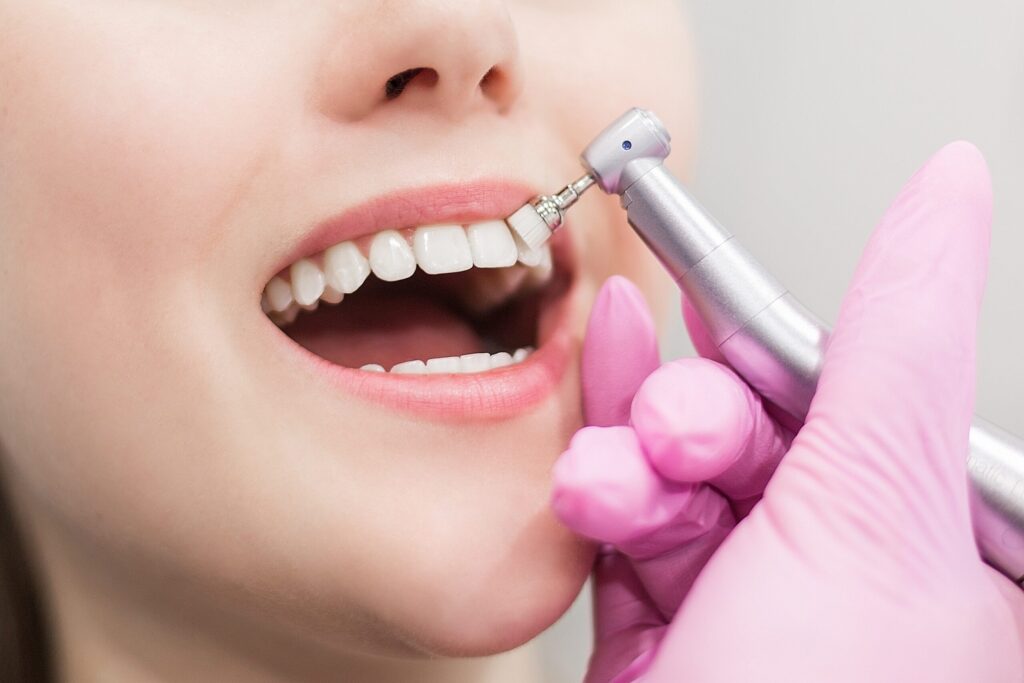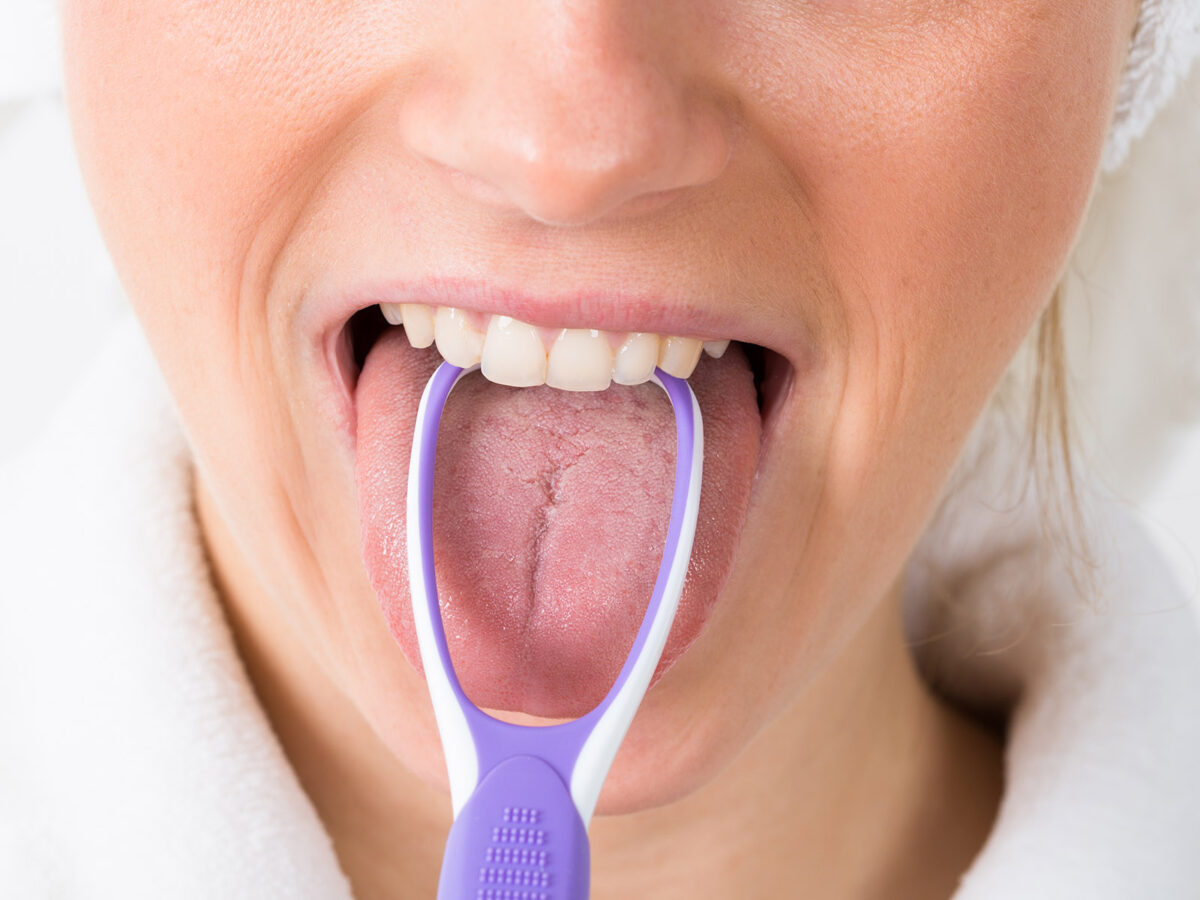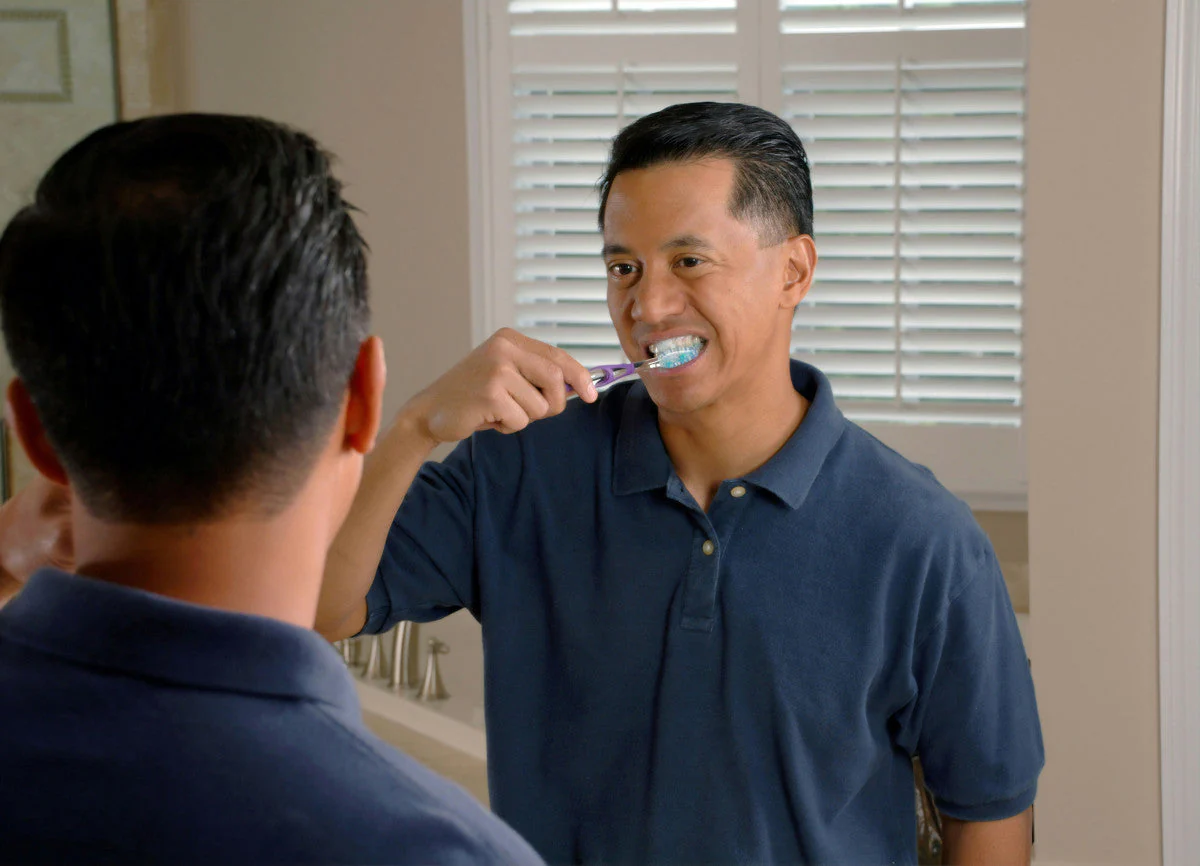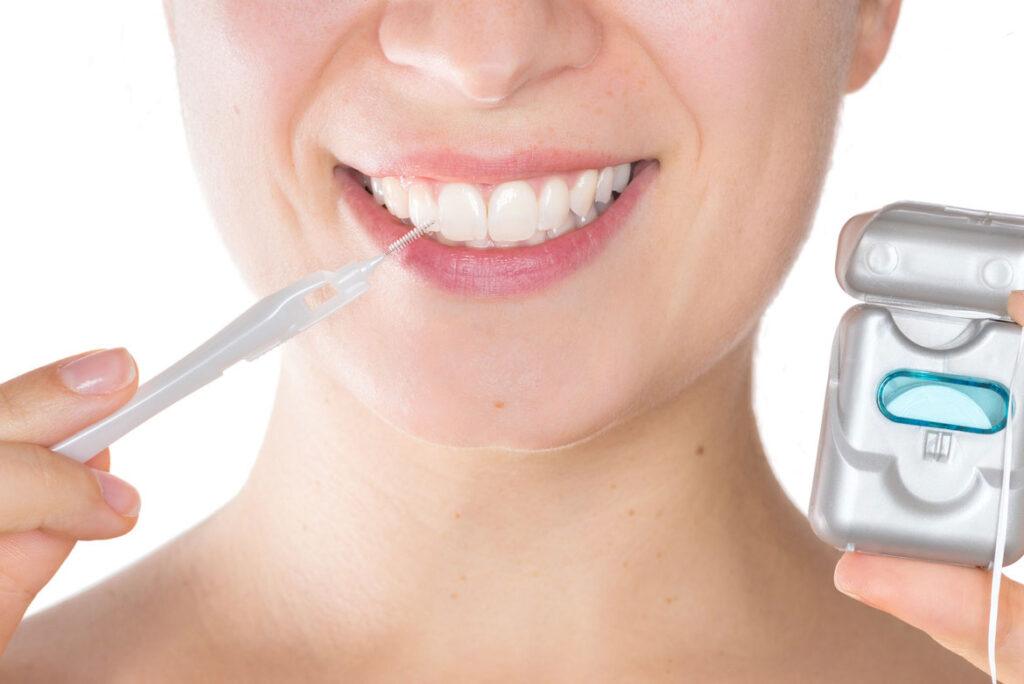
Bright and healthy smile, and not empty your wallet at the dentist? You’re not alone. Although the dentist should ensure you visit the dental clinic regularly, a single piece of equipment can be used to ensure you have cleaner teeth at the comfort of your own home; the dental scaler. A dental scaler is made to scrape the hard to reach areas of plaque, tartar and accumulation that prevent gum diseases and keep your smile fresh. Using the proper methods and precautions, adding a dental scaler to your oral care can provide your dental care with that additional shine and keep your gums healthy.
What is a Dental Scaler?
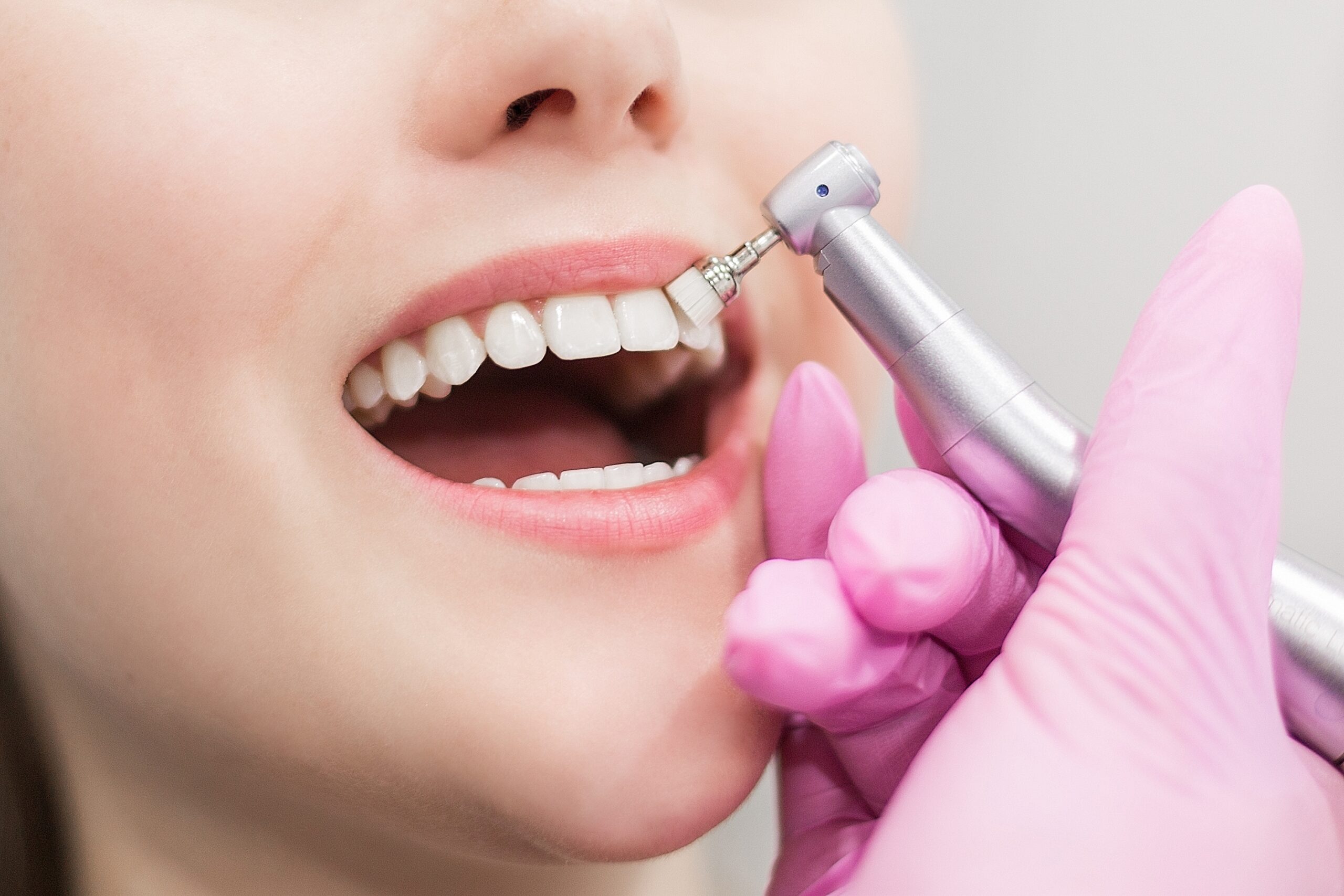
A dental scaler is a small hand held device that removes plaque and tartar as well as stains on your teeth. Imagine it as an accuracy cleaner for all the difficult to reach areas that cannot be fully addressed by brushing and flossing. Proper use of a dental scaler can help prevent cavities and gum disease, and your teeth will always be bright.
Dental scalers are of two major types:
Manual Scalers: These are the traditional hand held instruments with curved metal points. They are easy to use as you can maneuver plaque and tartar flakes off carefully with the pressure and motion entirely under your control.
Ultrasonic Scalers: These are high tech devices that employ the use of vibrations and water to loosen the plaque and tartar. All are generally located in dental offices, although there are some home-friendly ones.
The selection of the best scaler would depend on your level of comfort and your oral health requirements, but understanding how they do their business would be the initial step towards having a healthier, cleaner smile.
Benefits of Using a Dental Scaler at Home
Home oral cleaning can raise your level of oral hygiene. The reason why the inclusion of this simple tool can make a significant change in your smile is as follows:
Plaque and Tartar Removal: Despite the routine brushing and flossing, plaque may accumulate in inaccessible locations. Scraping up the tough tartar before it becomes hard can keep your teeth clean and smooth and a dental scaler can do that.
Gum Disease Prevention: Tartar accumulation may cause red inflamed gums and result in gum disease. You can eliminate it in advance using a dental scaler to minimize the possibility of gingivitis and maintain healthy gums.
Colder Mouth, Cleaner Teeth: Not only can you clean the hidden plaque and debris that make your mouth feel much fresher, but it will also help combat bad breath so your mouth feels cleaner, and your smile seems even brighter.
Home dental care can be more effective with regular use, good brushing and flossing habits, and at the end of the day you will be spared the expensive dental operations.
Safety First: How to Use a Dental Scaler Correctly
It can be highly effective to use a dental scaler at home, yet it is all about safety. Mishandling may harm your enamel or gums, and therefore, these are some of the tips to maintain your teeth healthy as you age.
Step-by-Step Guide
Clean Your Scaler: Clean your scaler before use with rubbing alcohol so that you do not inject bacteria into your mouth.
Brush and Floss: Clean your teeth to loosen up debris so that it is easier and safer to scale.
Go Slower: One tooth at a time. Slide the scaler softly over the gumline and tooth surface to scale the teeth and take away tartar.
Wash Frequently: Have a cup of water at hand to wash your mouth and see how far you have gone.
Proper Angle and Pressure Tips
The angle and pressure are also important when you are using a dental scaler to ensure your teeth are safe. To clean the tooth without hurting the enamel, hold the scaler so that it is at an angle of approximately 45 degrees to the tooth. It is necessary to apply soft pressure, which is easy to apply and will not scratch your enamel or irritate your gums.
The scaler should never be thrust directly into the gum line, but instead, it should be moved alongside the gum line, which does not make it difficult to clean deep. Dental nutrition is essential to keep your teeth and gum health well maintained.
When to Avoid DIY Scaling
Sometimes, it is not a good idea to use a dental scaler at home. When you have sensitive teeth, gum disease, or loose fillings, you should avoid scaling in order not to worsen these diseases. The other situation in which a professional cleaning is required is where there is a heavy buildup of tartar and trying to clean it on your own may result in damage. Also, in case there were bleeding, pain, or discomfort during the time of scaling, cease and see a dentist to avoid even more complications.
Incorporating a Scaler Safely
A dental scaler can be a safe and effective supplement to your home dental care with the proper approach. Proper use can keep your teeth clean, gums trim and your smile sparkling in addition to regular brushing and flossing of the teeth along with a dental checkup. The advantages of having a cleaner mouth can be realized without having to take unnecessary risks that are caused by improper angle, pressure and safety guidelines.
Pro Tips & Hacks for a Healthier Smile
Upgrade your oral hygiene with easy dental scaler tips. These tips ensure that DIY teeth cleaning is safer, easier and more effective not only in terms of preparation of your teeth, but also of the post-scaling care as well as the combination of the tools.
Pre-Scaling Hacks: Brushing and Flossing
Preparation of your teeth before using a dental scaler can help a lot. Brushing will take the debris off the surface whereas flossing will clear the plaque between the teeth so the process of scaling becomes easier and safer. This is a preliminary measure to minimize the chances of either scratching enamel or accidentally hurting gums, and is a precondition for a more efficient cleaning session.
Post-Scaling Care: Rinsing and Fluoride
After you have scaled, you might have teeth that are very clean yet a little bit sensitive. By washing your mouth with warm water or an antibacterial mouthwash, you get to remove loosened plaque and bacteria. The next step is to apply fluoride toothpaste or a rinse to make your teeth not decay and leave your teeth healthy and fresh after cleaning your teeth.
Combining with Other Oral Care Tools
A dental scaler is more effective when it is combined with other oral care products. Electric toothbrushes, water flossers and floss picks can get to the areas that the scaler is unable to reach, which prevents further development of the plaque. With the combination of all these tools into your routine, you will have a complete oral care system and it will be easier to keep a bright and healthy smile without excessively relying on DIY scaling.
With these pre-scaling, post-scaling and complementary tool strategies, you will be able to optimize the effectiveness of your dental treatment and maintain your oral hygiene routine safe, regular and very efficient.
Common Mistakes to Avoid
The usual errors which we ought to guard against are:
- Excessive scraping may be harmful to enamel and make teeth sensitive.
- Not cleaning the dental scaler may result in bacteria and infections being caused.
- By simply using DIY scaling and not going to see a dentist, plaque and tartar can get away with it.
- Incorrect technique or angle may damage gums and decrease cleaning efficiency.
- Disregarding such warning signs as bleeding, pain, or discomfort during scaling.
Conclusion
A dental scaler is a safe procedure that can be used at home to change the game of having a healthy and bright smile. It may help keep your mouth clean when it comes to eliminating plaque and tartar and help prevent gum disease as well as ensuring you have a pleasant-smelling mouth. This is a very basic tool that can be used to improve your oral health routine but only when used properly. Using proper methods, cleaning your scaler, and using it with brushing, flossing, and other dental instruments, you will be able to reap as many benefits as possible without harming your enamel and gums. Read more tips on Dental Advice Today to maintain oral health.
FAQs
Can I use a dental scaler every day?
Although it is not harmful, it is better to use it gently and carefully, not to scale every day, and not all people can. Excessive use may irritate the gums or destroy enamel. Pay attention to frequent brushing, flossing and scaling once a few times a week.
Is using a dental scaler safe for sensitive teeth?
Be careful when using it in case your teeth are very sensitive or if you have problems with your gums. The pressure of light is an important factor and one should visit a dentist to prevent pain or injury.
How do I properly disinfect a dental scaler?
Always wash your scaler with rubbing alcohol or warm and soapy water before and after use. This helps to avoid the entry of bacteria into your mouth and makes your oral hygiene routine safe.
Can I combine dental scalers with other oral care tools?
Yes. Together with electric toothbrushes, floss picks, and water flossers, a dental scaler can help develop a comprehensive oral care system, which the scaler alone may fail to cover and will help avoid future accumulation of plaque.