Parents often wonder about baby teeth. They see a loose tooth in their child’s mouth. It wiggles and falls out. No root shows up. This sparks questions. Do baby teeth have roots? Yes, they do. Baby teeth form the first set in a child’s mouth. They help with eating and talking.
Do Baby Teeth Have Roots? People ask this because fallen teeth look rootless. But roots exist at first. This blog covers the basics. It explains anatomy and myths. It talks about the loss process and care. It dives deeper into variations and health tips. Learn why roots matter for kids’ smiles.
What Are Baby Teeth? Do Baby Teeth Have Roots
Baby teeth are the first teeth that appear in a child’s mouth. They start to come in early. Most kids get 20 baby teeth by age three, but sometimes tooth eruption is slower. These teeth fall out later. They make way for adult teeth. Parents notice them during teething. Kids chew and speak with them.
Types of Baby Teeth
- Incisors: Front teeth for biting. Kids have 8. Four on top. Four on the bottom line.
- Canines: Pointy teeth for tearing. There are 4. They come after incisors.
- Molars: Back teeth for grinding. Kids get 8. They handle tough foods.
The Anatomy of Baby Teeth
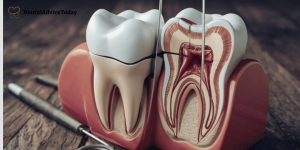
Do Baby Teeth Have Roots? Baby teeth share a similar structure to adult teeth. They include a crown and roots. The crown shows above the gum, while roots hide below. For a deeper look, see how baby skull teeth develop Roots hide below. This setup keeps teeth stable. Enamel covers the outside. Dentin supports inside. Pulp runs through the centre.
Main Parts of a Baby Tooth
- Enamel: Hard outer layer. It protects the tooth from wear. It shines white.
- Dentin: Layer under enamel. It forms most of the tooth. It feels painful if exposed.
- Pulp: Soft centre with nerves and blood. It feeds the tooth. It helps growth.
- Roots: The bottom parts that hold the tooth in the bone. They connect to the jaw.
Do Baby Teeth Have Roots?
Yes, baby teeth have roots. They anchor teeth in the jaw. Baby teeth have short roots. Adult teeth have longer roots. This makes sense for small jaws. Roots absorb nutrients. They grow with the child.
| Topic | Details |
|---|---|
| Differences in Roots | Front baby teeth have 1 root. Baby molars have 2–3 roots, which are wider for stability. Roots are smaller to fit a child’s jaw. Molars need more roots to handle chewing pressure. |
| Fun Facts on Anatomy | Roots start forming before birth. They grow as teeth erupt. Roots dissolve over time, helping teeth fall out naturally. Cross-section diagrams show hidden root structures. |
| Comparison to Adult Teeth | Adults have 32 permanent teeth. Roots are deeper and last a lifetime. Baby teeth have short roots for easy loss. Baby teeth prepare the way for permanent teeth. |
| Role of Roots in Development | Roots keep teeth secure for chewing. Help kids eat foods like apples and corn. Healthy roots prevent early wobbling and infections. They support bone and oral development. |
Baby teeth have roots, but some think otherwise. Roots play a key role. They support growth. Learn this to help your child.
Common Myths and Facts About Baby Teeth Roots
People share stories about Do Baby Teeth Have Roots. Some are true. Others are myths. This leads to confusion. Learn the facts here. It helps parents understand better. Many parents also worry about habits like baby teeth grinding.
| Myth | Fact |
|---|---|
| Myth 1: Baby Teeth Don’t Have Roots | Baby teeth have roots. They hold teeth in place. Roots shorten as kids grow. They dissolve later. Evidence from dental scans proves this. |
| Myth 2: All Baby Teeth Are Alike | No. The front ones have single roots. Baby teeth molars have roots with more branches. Up to three sometimes. Each type serves a purpose. |
| Myth 3: Little Baby Teeth Have No Roots | Even small ones have roots. They are short but intense. Roots support tiny teeth well. Size does not mean no roots. |
| Myth 4: Baby Teeth Roots Cause Pain Always | Resorption is painless. Kids feel wiggly fun. Pain signals problems like cavities or hits. |
How to Care for Baby Teeth and Their Roots
Good care keeps baby teeth healthy. This protects roots, too. Strong roots lead to better adult teeth. Start habits early. It prevents problems. Involve kids in routines. Make it fun.
Daily Care Tips
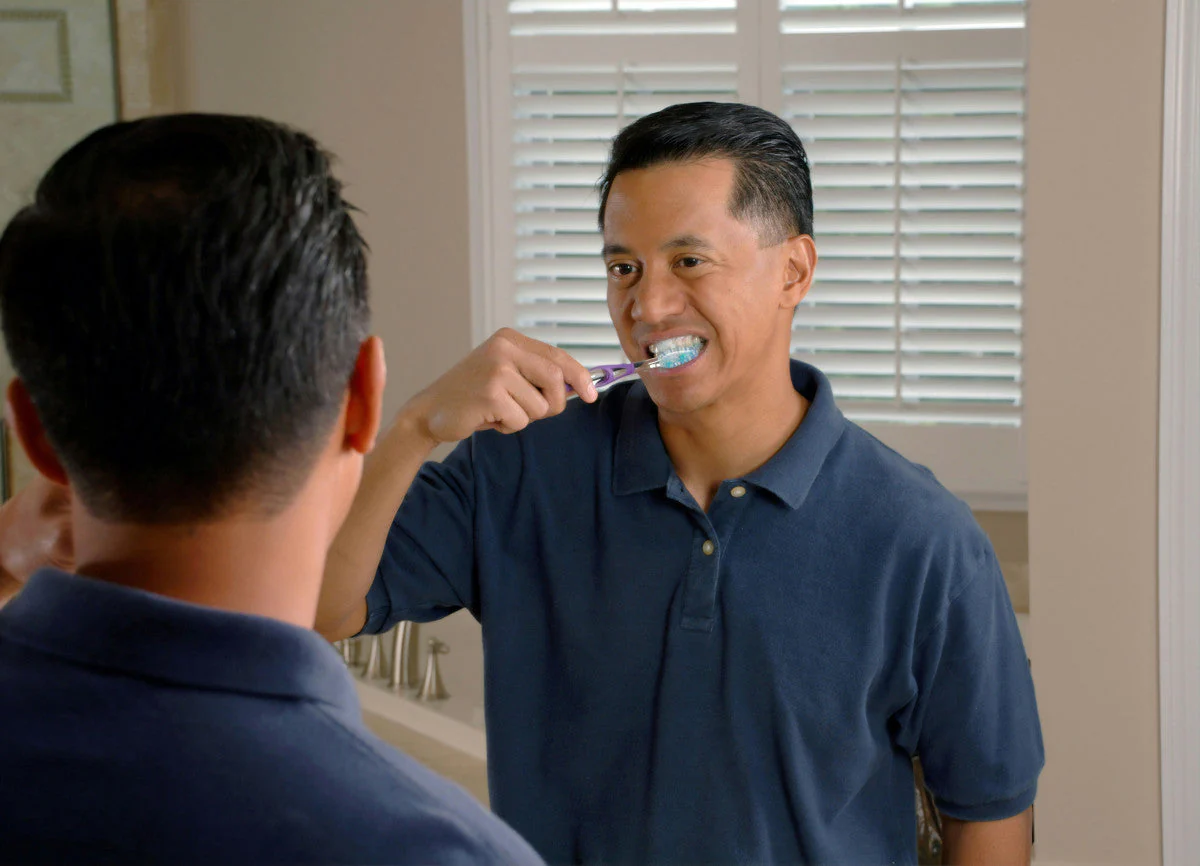
- Brush twice a day.
- Use a soft brush.
- Add fluoride toothpaste.
- Pea size for kids.
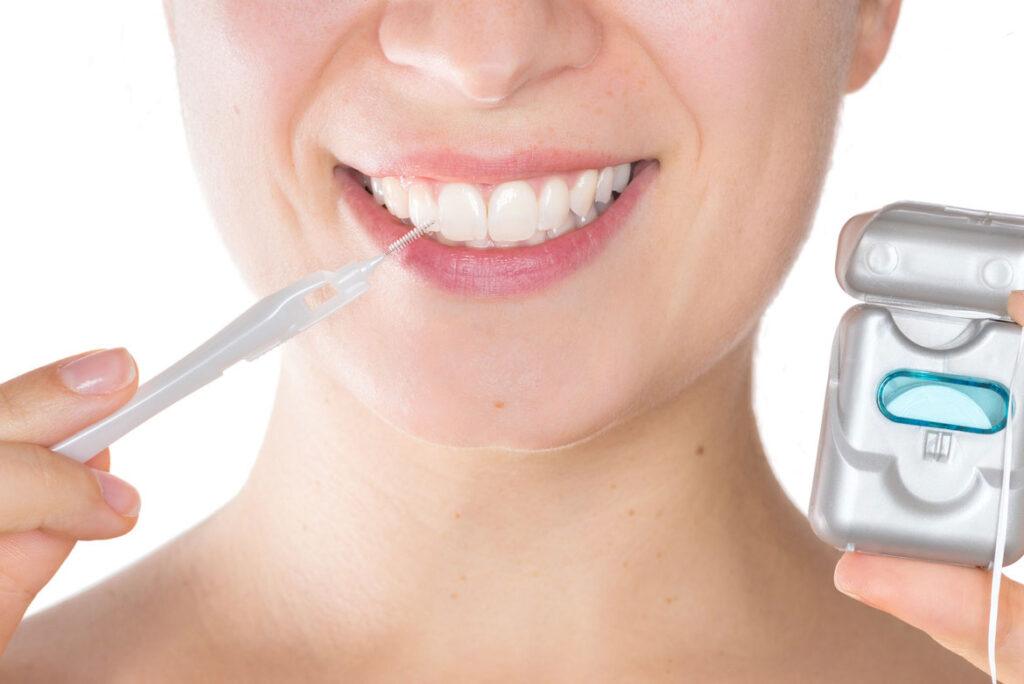
- Floss daily.
- Limit sugary snacks.
- Drink water after meals.
- Rinse mouth.
- Milk is good for teeth & makes you strong.
Nutrition for Healthy Roots
- Eat calcium-rich foods.
- Veggies strengthen teeth.
- Avoid soda.
- It erodes enamel.
- Fruits like apples clean naturally.
Conclusion
Do Baby Teeth Have Roots? Yes, baby bron with teeth. This makes room for adult teeth. Parents, relax. It’s a normal process. Teach kids good habits. Brush and eat well. Visit dentists often. This ensures healthy growth. Bright smiles. Keep learning about dental care.
FAQs
Do baby teeth have roots?
Yes. Baby teeth have roots. They hold teeth in the jaw. Roots are short. They form early. Over time, they dissolve. This helps teeth fall out. Parents see no roots on fallen teeth. But they exist at first. Care keeps them healthy. Roots support chewing and speech. Without them, teeth fail early.
Do baby teeth have roots when they fall out?
No, usually. Roots resorb before fall. Permanent teeth push up. The body breaks down roots. Tooth loosens. It drops without root. If the root shows, see the dentist. It may mean an issue like trauma or slow growth. X-rays check this.
Why do baby teeth have short roots?
Short roots fit small jaws. They anchor well. Adult teeth need longer ones. Baby roots dissolve easily. This aids loss. Nature designs it this way. It supports growth. Short roots grow fast. They match the kids’ needs.
Do baby teeth molars have roots?
Yes. Molars have roots. Often two or three. They are wider. This helps grind food. Front teeth have one. Molars differ. Roots resorb like others. Molars come last. They handle more wear.
What if a baby tooth falls out with a root still attached?
It happens sometimes. Root did not fully dissolve. Check for pain. Rinse mouth. Save teeth. See the dentist soon. They check for infection. It may need care. Antibiotics if swollen. Follow-up ensures the new tooth comes right.