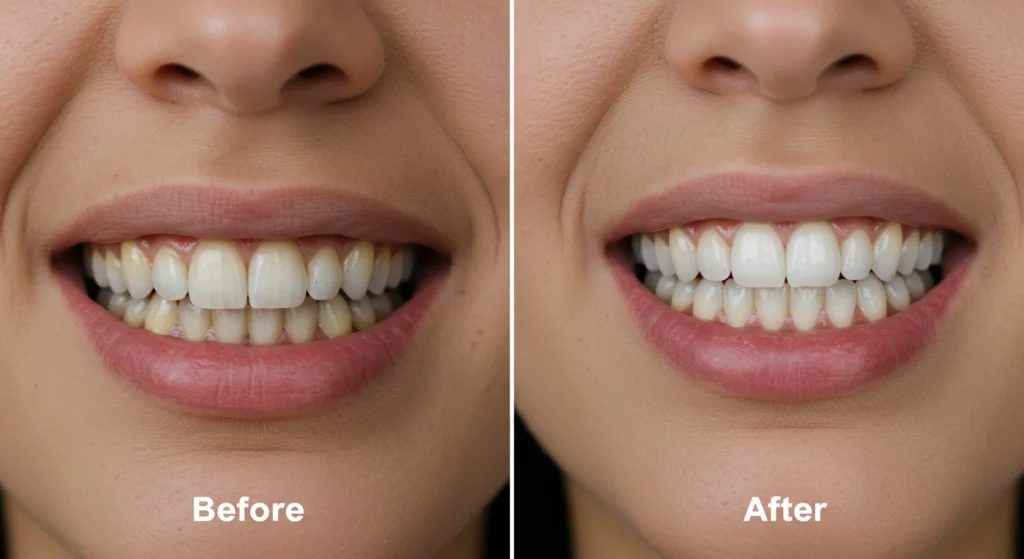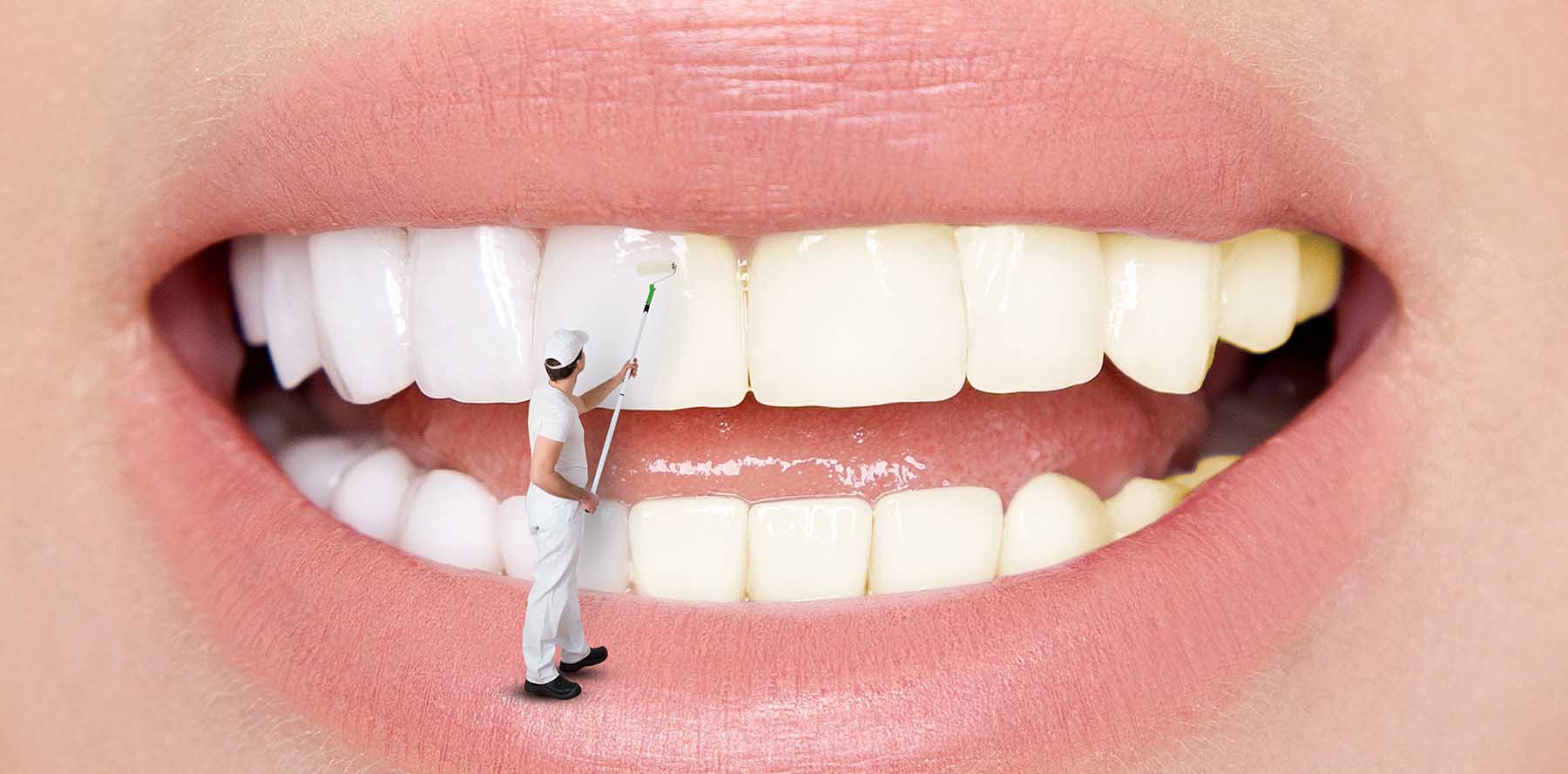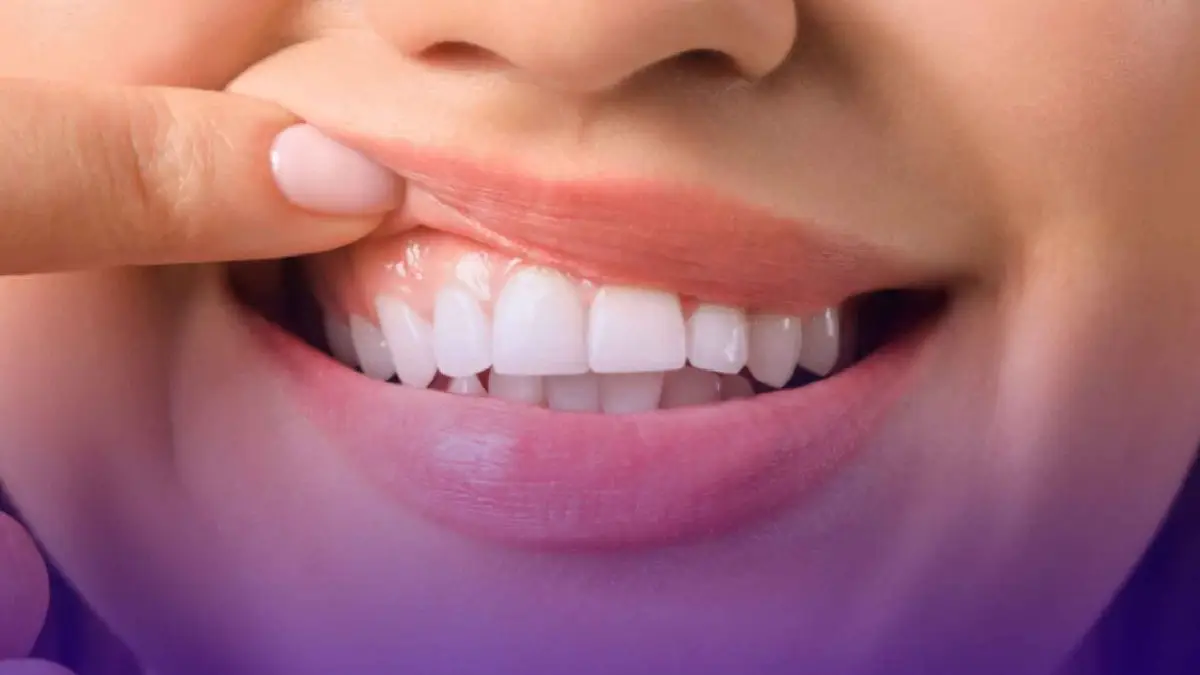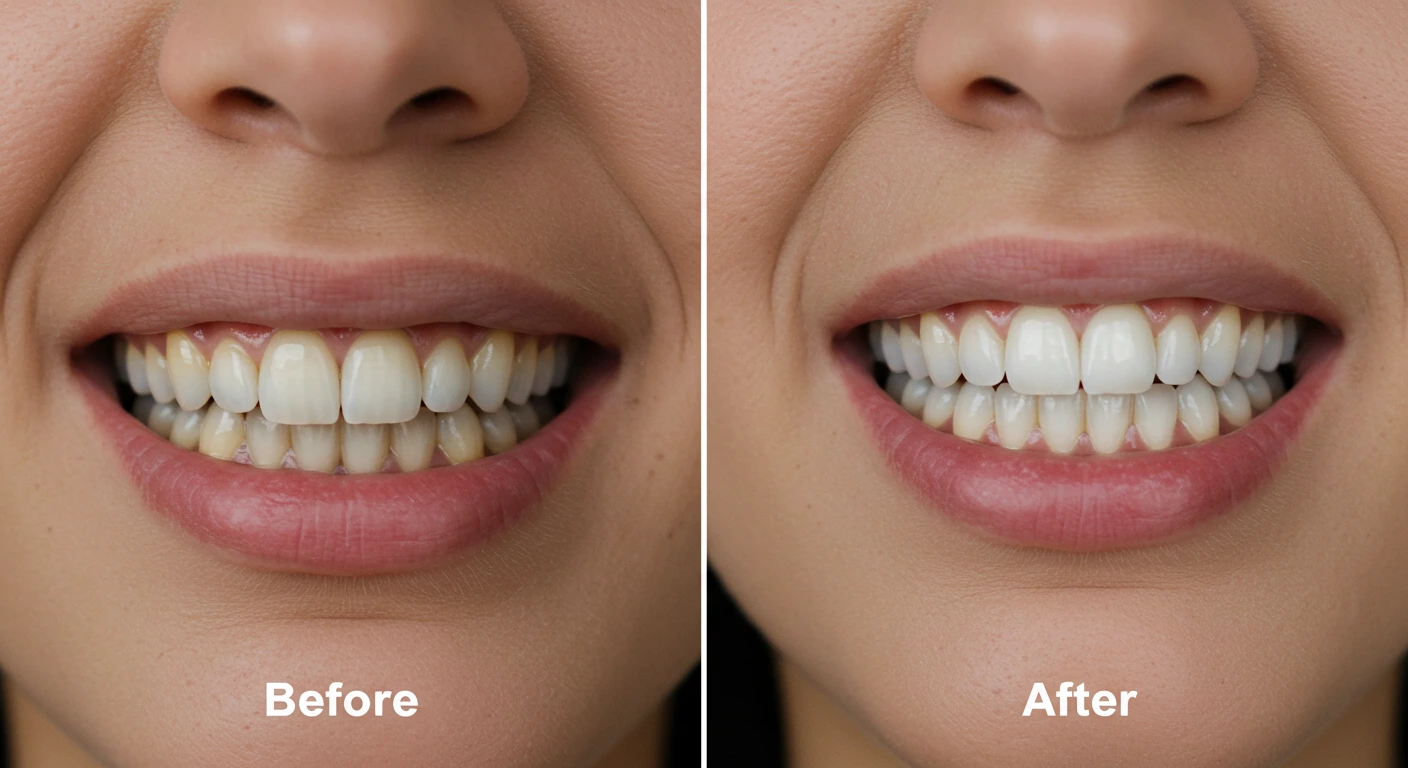
Teeth whitening strips can brighten your teeth a shade or two. It takes some days after treatment. Home teeth whitening products work best for mild discoloration. If you visit your local pharmacy, you will likely see many products claiming to whiten your teeth. Home teeth whitening products first became available in the 1980s, and now they are also everywhere.
But do teeth whitening strips, as well as other whitening products, actually work? Yes, teeth whitening strips can also whiten your teeth by a shade or two, and can work in as little as a few days.
Home products are not usually as effective as in-office dental whitening techniques. They come with some risks, like increased tooth sensitivity as well as gum irritation.
What Are Whitening Strips?
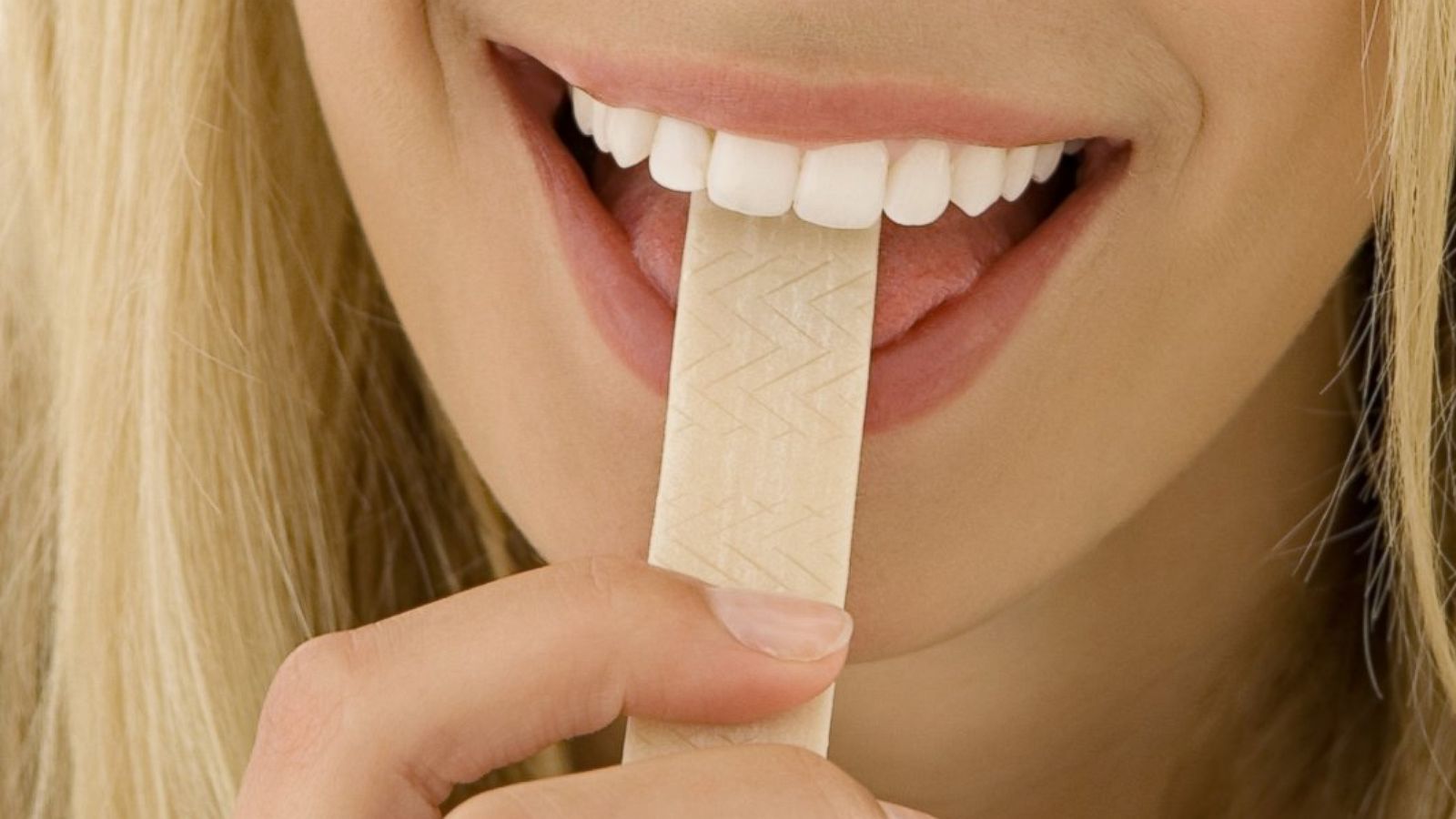
Teeth whitening strips are also thin strips of plastic coated with a gel that always contains a whitening agent. When you wear the strips over your teeth, the gel also comes into contact with the teeth and delivers a whitening effect.
Several whitening products are also used in teeth whitening strips. However, it will contain hydrogen peroxide and carbamide peroxide, which also work by penetrating the tooth surface as well as breaking down the pigments that cause staining. Common ingredients also include chlorine dioxide as well as phthalimidoperoxycaproic acid (PAP).
Are Teeth Whitening strips safe?
- If teeth whitening strips are used as directed, then these are considered to be safe. The American Dental Association (ADA) also notes that there is a risk of minor side effects.
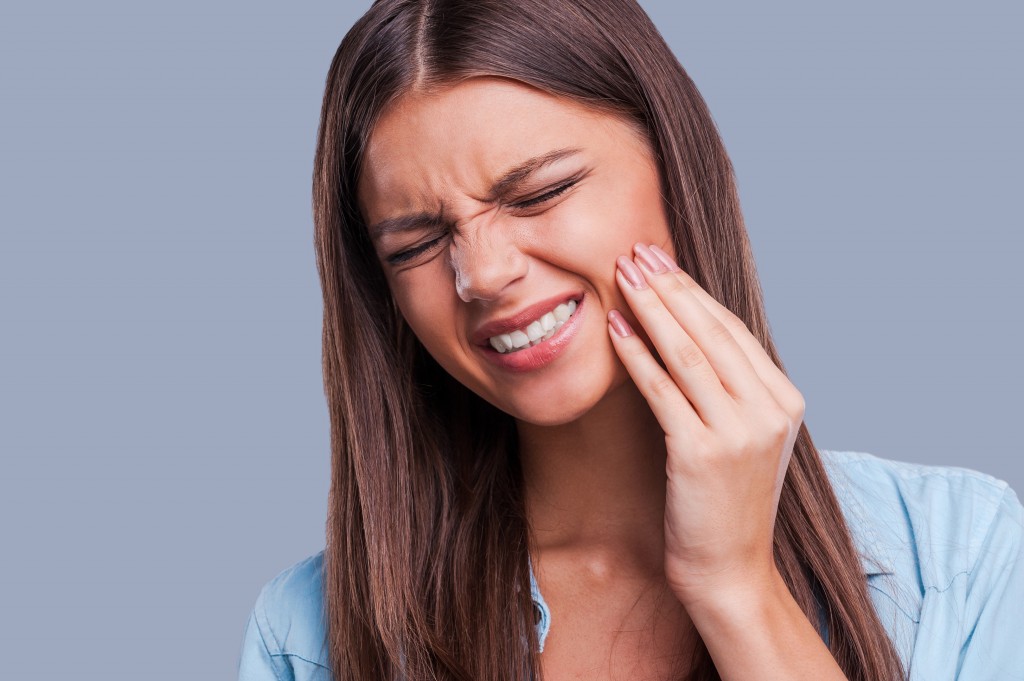
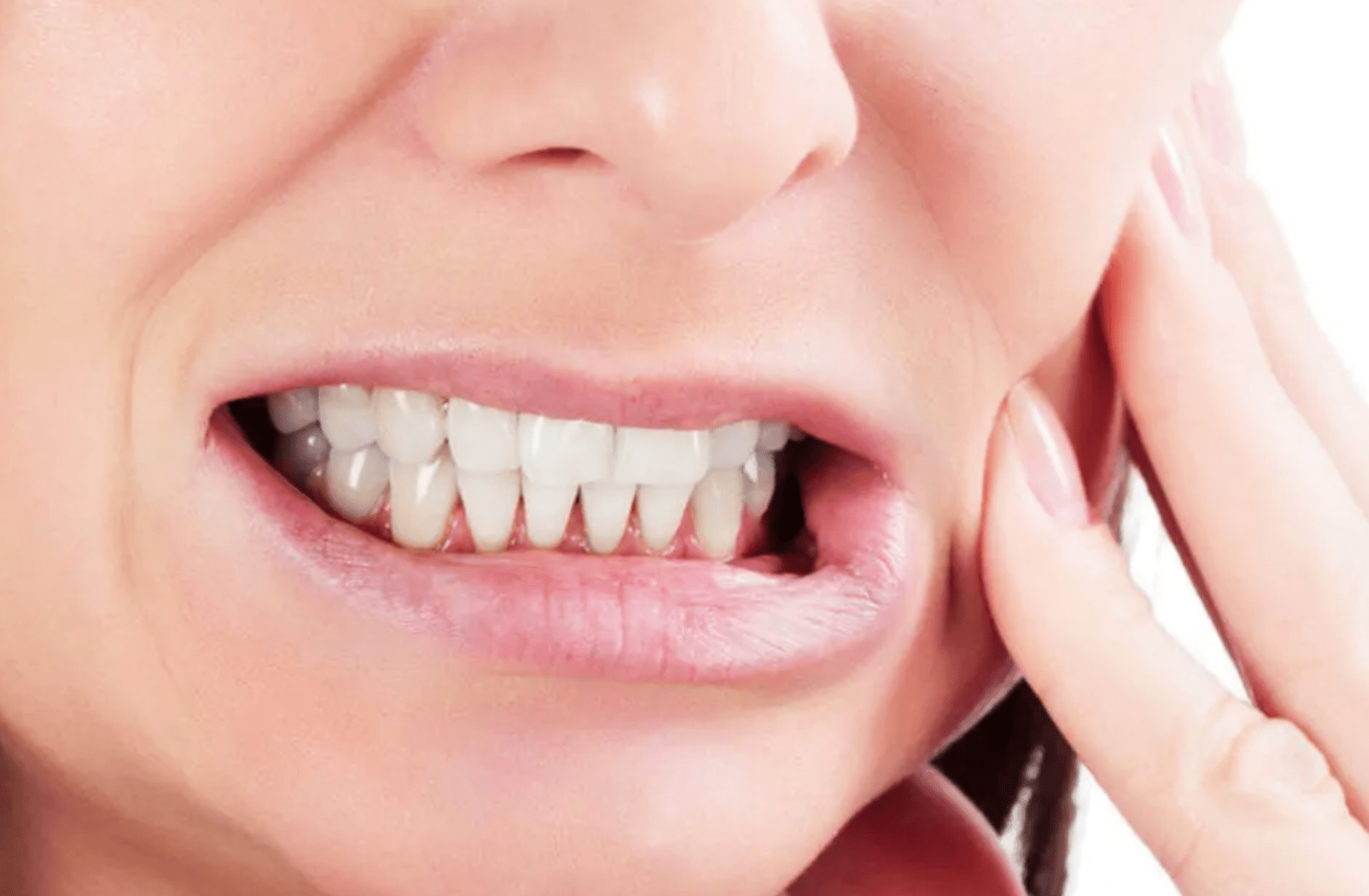
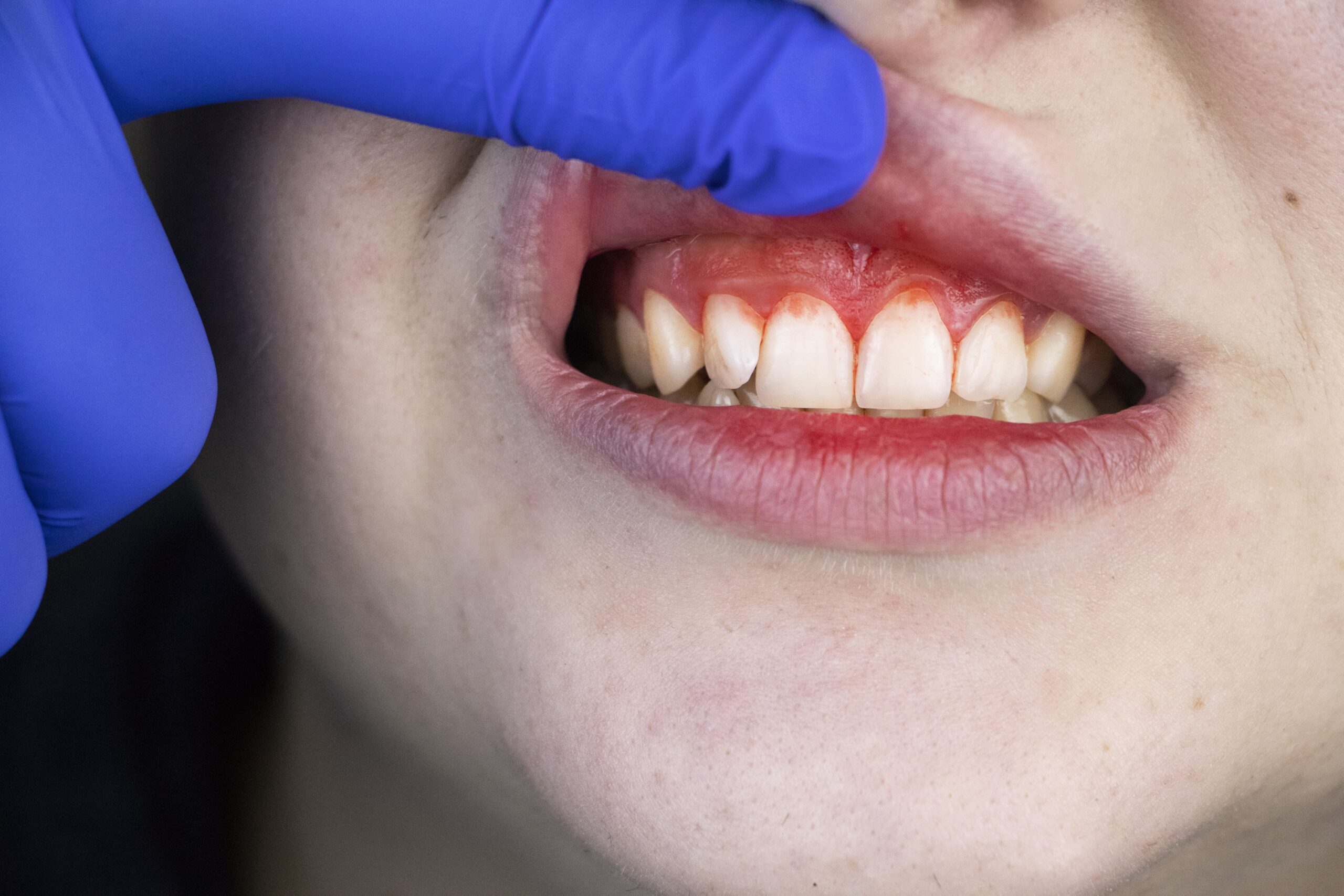
- The common side effect when using whitening strips and any product that also contains bleaching agents is tooth sensitivity. You also notice a sharp pain when your teeth are exposed to hot and cold foods or drinks, when you breathe in cold air, and when your teeth are touched.
- Over-the-counter whitening strips also contain low concentrations of bleaching agents, so any sensitivity you experience should be minor and will resolve in a few days. You also find it helpful to use a toothpaste for sensitive teeth in the meantime.
Potential Side Effects of Whitening Strips
- A potential side effect is gum irritation from the bleach in the whitening strips. You can also reduce this risk by applying the strips very carefully so that they only sit over your teeth, avoiding contact with your gum tissue. If your gums start to feel sore, always remove the strips immediately, as well as rinse your mouth with water.
- Are whitening strips bad for your teeth? Yes, they are. Always using teeth whitening strips can also damage your teeth.
- Tooth Sensitivity: Although excessive use of whitening strips can also cause tooth sensitivity, causing pain as well as discomfort.
- Enamel Erosion: Whitening strips also contain bleaching agents, which can wear off the enamel, leaving it exposed to cavities as well as other dental diseases.
- Tooth Damage: Your tooth can also be damaged due to the overuse of whitening strips. It is a gradual process starting with the enamel getting exposed, which also leads to cavities, and then to tooth loss.
- Allergic Reaction: Whitening strips can also cause more reactions to the skin around, such as swelling, rashes, and itching.
Tips for Using Whitening Strips Safely
Teeth whitening strips are applied to the teeth daily. Don’t skip a day! Also continue to use your teeth whitening strips across the entire period of time as noted in the instructions. In most cases, teeth whitening strips are meant to be applied every day for at least two complete weeks.
Brush Your Teeth Before Application
Always use a wet toothbrush to brush your teeth before placing the whitening strips in place. Toothpaste is also acceptable for use before the placement of teeth whitening strips, yet it’s not necessary.
Avoid Uneven Whitening
Teeth whitening strips are also placed on the teeth with precision. It is essential not to lose sight of the fact that teeth are also hard to fully cover with two-dimensional teeth whitening strips. No matter how careful you are when applying these strips, there will always be teeth that are not entirely covered.
Use Teeth Whitening Strips in Moderation
These teeth whitening strips are safe to use in moderation. However, overdoing it will cause the teeth to be sensitive. If the strips are also applied at a particularly high frequency, they might also cause permanent damage.
Avoid Contact With the Gums
Teeth whitening strips also have a bleaching agent that is not as powerful as the variety used by dentists, yet this agent still has the potential to damage the gums’ soft tissue. The whitening strip mustn’t contact the gums as well.
Do Not Consume Dark Food or Beverages After Whitening
Give your teeth some time after the whitening strips are applied to close their pores. These pores will be open for a couple of hours after the strips are used, making the teeth that much more likely to stain if contacted with foods as well as beverages of dark hues.
Takeaway
Teeth whitening strips also have the potential to brighten your teeth by a shade or two. You may be able to see outcomes as early as several days after treatment.
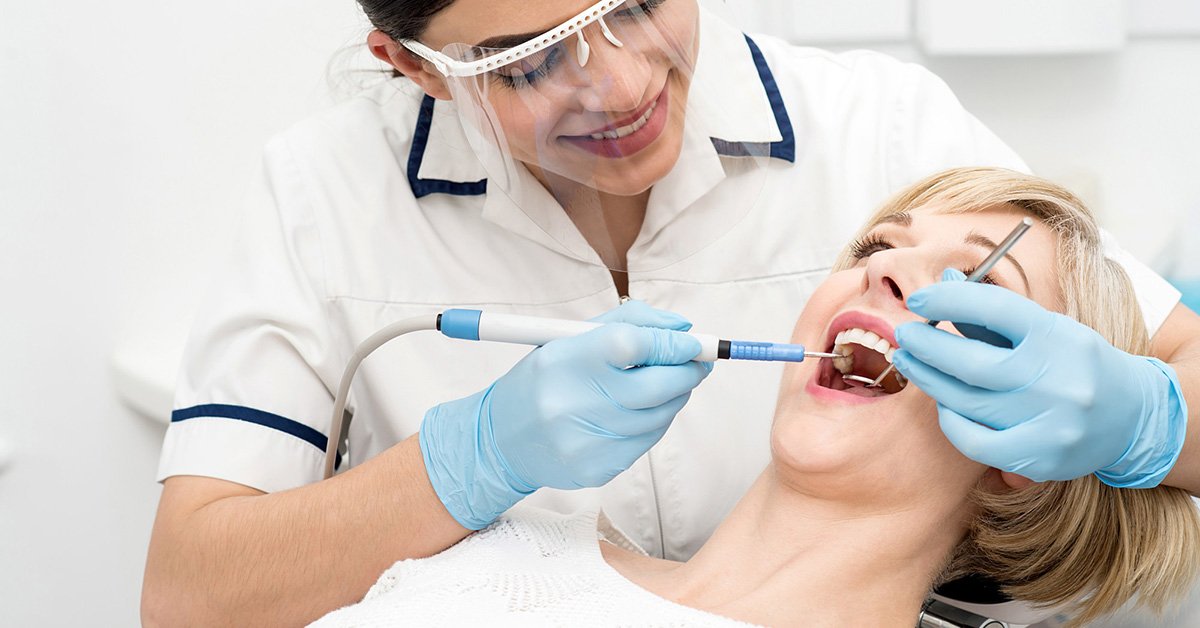
Home teeth whitening products are best used to touch up mild discoloration of your teeth. If you are dealing with significant staining, you should visit your dentist for an in-office cleaning. Always, before using any teeth whitening product, consult with your dentist as well as check to see if the product has the American Dental Association (ADA) Seal of Acceptance.
FAQs
Can Whitening Strips Harm Your Teeth?
Yes, teeth whitening strips can also harm teeth if misused by leaving them on too long and using them too frequently, which can also lead to enamel erosion, increased sensitivity, and gum irritation.
Is teeth whitening suitable for everyone?
It is not done if you are 17 years old or younger, and you have unhealthy teeth and gums. It is not recommended if you are pregnant or breastfeeding, have crowns, dentures, or implants. Teeth whitening strips can also only lighten the color of natural teeth.
Do teeth whitening strips really work?
Yes, teeth whitening strips also work for mild surface stains from things such as coffee and tea, but their effectiveness is limited compared to professional treatments.
How long do teeth whitening strips last?
If you use teeth whitening strips as directed, you should always see results in about seven days. There are also more advanced whitening strips claiming results as early as three days. Once you complete a full cycle, results can also last up to six months.