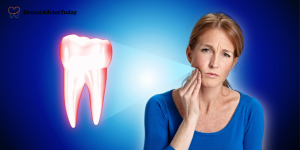
Have you ever felt ear pain after removing a wisdom tooth? This feeling can confuse you. The surgery happens in your mouth, but the pain travels to your ear. Many people in the US ask about this problem after extraction. The pain can feel dull, sharp, or throbbing. Sometimes it comes and goes.
This blog explains why ear pain happens, what causes it, and how you should handle it. You will also learn when to see your dentist.
Why Do I Have Pain in Ear After Wisdom Tooth Removal?
Ear pain might occur as a result of a wisdom tooth surgery, as the nerves of the jaw and ear are the same. Surgery exerts stress on your tissues and gums. The pain usually extends to the ear. It is common in many patients and is not normally a severe issue. However, you also need to know the most common causes of this ear pain. Being aware of the causes makes you less concerned and helps you get well again.
Reasons for Pain in Ear after Wisdom Tooth Removal
These are some of the reasons that make you experience ear pain due to wisdom tooth extraction, and most of those are related to nerves, swelling, and healing.
- Nerve Pathway
Jaw and ear nerves are connected. When the extraction irritates the jaw nerves, the pain will go through the same pathway, leaving your ear sore and uncomfortable. - Swelling
Following surgery on the extraction of wisdom teeth, swelling around the site of extraction appears. This inflamed tissue is pressed against the surrounding nerves, which irritate them and give you a painful sensation that extends to your ear. - Jaw Muscles
After surgery, tight or rigid jaw muscles may put pressure on the surrounding nerves. This additional stress causes the chewing to be painful and brings about discomfort that extends to the ear. - Healing Tissues
As gums heal after surgery, sensitive tissues and nerves create pain signals. These signals sometimes spread outward, which makes you feel discomfort in your ear. - Irritated Gums
Your gums experience irritation during tooth extraction. This irritation activates nearby facial nerves. These send signals that may cause discomfort to move in your ear. - Dry Socket
A dry socket happens when the blood clot dissolves. This leaves the bone exposed. And it creates severe radiating pain that often reaches the ear. - Brain Confusion
Your brain sometimes confuses jaw pain and ear pain because they share nerve pathways. Pain signals may feel misplaced and confusing. - Sinus Pressure
When upper wisdom teeth are close to the sinus cavity, pressure increases during or after extraction. This extra tension spreads into the surrounding areas, including your ear.
How Long Does Ear Pain After Tooth Removal Last?
The pain in the ear following a wisdom tooth removal procedure is expected to last several days. In the majority of patients, it decreases in a week. The mild discomfort may last 10 to 14 days. Slow improvement of the pain should be experienced every day. You can feel it more when you are chewing or opening your mouth wide. In case the pain persists or becomes worse in a week, then visit your dentist. Prolonged pain may imply infection, dry socket, and other issues. Fast dental treatment makes you recover sooner and prevents larger problems.
What Are the Possible Complications Linked to Ear Pain?
- Dry socket is caused when the protective blood clot ruptures, causing severe pain that travels to the ear.
- Extraction can cause the site to become infected. This may cause swelling, pus, fever, and pain to persist and extend to the ear.
- Surgery may lead to nerve damage, and this may cause tingling, numbness, or ear pain that is permanent.
- A sinus problem is one that happens due to the removal of upper teeth, causing pressure and pain to be transmitted to the ear.
- It is very challenging to eat after the surgery due to the pain that radiates to the ear after chewing, and the stiffness level of the jaw increases.
How Can I Relieve Pain in Ear After Wisdom Tooth Removal?
- Use ice packs on your cheek after every 15 minutes.
- Eat yogurt, mashed potatoes, and soup.
- Avoid eating spicy and hot foods that hurt the infected area.
- Close your mouth and speak less.
- Attempt simple exercises of the jaw after two or three days.
- Wash with warm salt water after 24 hours to maintain cleanliness in the area.
- Always take all aftercare instructions that your dentist prescribes.
When Should I See a Dentist or Doctor for Ear Pain?
- If the pain grows worse instead of better
- If swelling increases around your face or jaw
- If you see pus or smell a foul odor in your mouth
- If you have a fever, chills, or feel weak
- If ear pain continues for more than two weeks
- If your jaw feels numb or tingling for days
- If you cannot open your mouth normally
Conclusion
Common side effects of wisdom tooth extraction include ear pain. This is due to the fact that your ear and jaw share nerves, which result in the pain. In most cases, the pain disappears in 1 to 2 weeks. It can be treated using pain medication, soft foods, and rest. Symptoms such as swelling, fever, and persistent pain should not be overlooked. These may indicate infection or dry socket. Keep in touch with your dentist at all times. Adhere to the post-surgery guidelines. Wash your mouth and do not put your jaw under stress. You recover much more quickly and feel significantly better with the right kind of treatment.
FAQs
Is It Normal to Have Ear Pain after Tooth Removal?
Yes, ear pain is normal after wisdom tooth removal. The nerves in your jaw and ear are connected. This makes the pain travel to your ear. Most patients feel it for a few days. If it lasts longer than two weeks, you should visit your dentist for a checkup.
How do I know if my ear pain is from an infection after wisdom tooth surgery?
Pain, fever, and bad taste in the ear could be an indication of infection. You can also experience aching pain that is not responding to medication. Consult your dentist when you experience these symptoms. Rapid treatment avoids the worsening of the infection.
What is the fastest way to reduce ear pain after tooth removal?
You are to take pain medicine, ice-packs, and rest. Consume soft food only and do not chew hard food. Salt water rinses with warm water to maintain the area. Do not smoke or drink alcohol. Always follow the tips of your dentist to get the quickest healing. This maintains a low level of pain and avoids the problem.