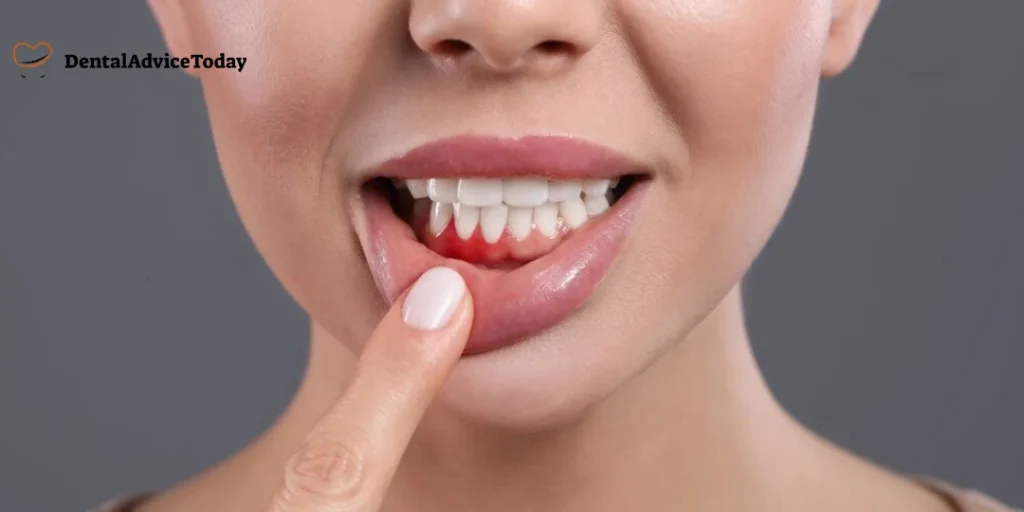
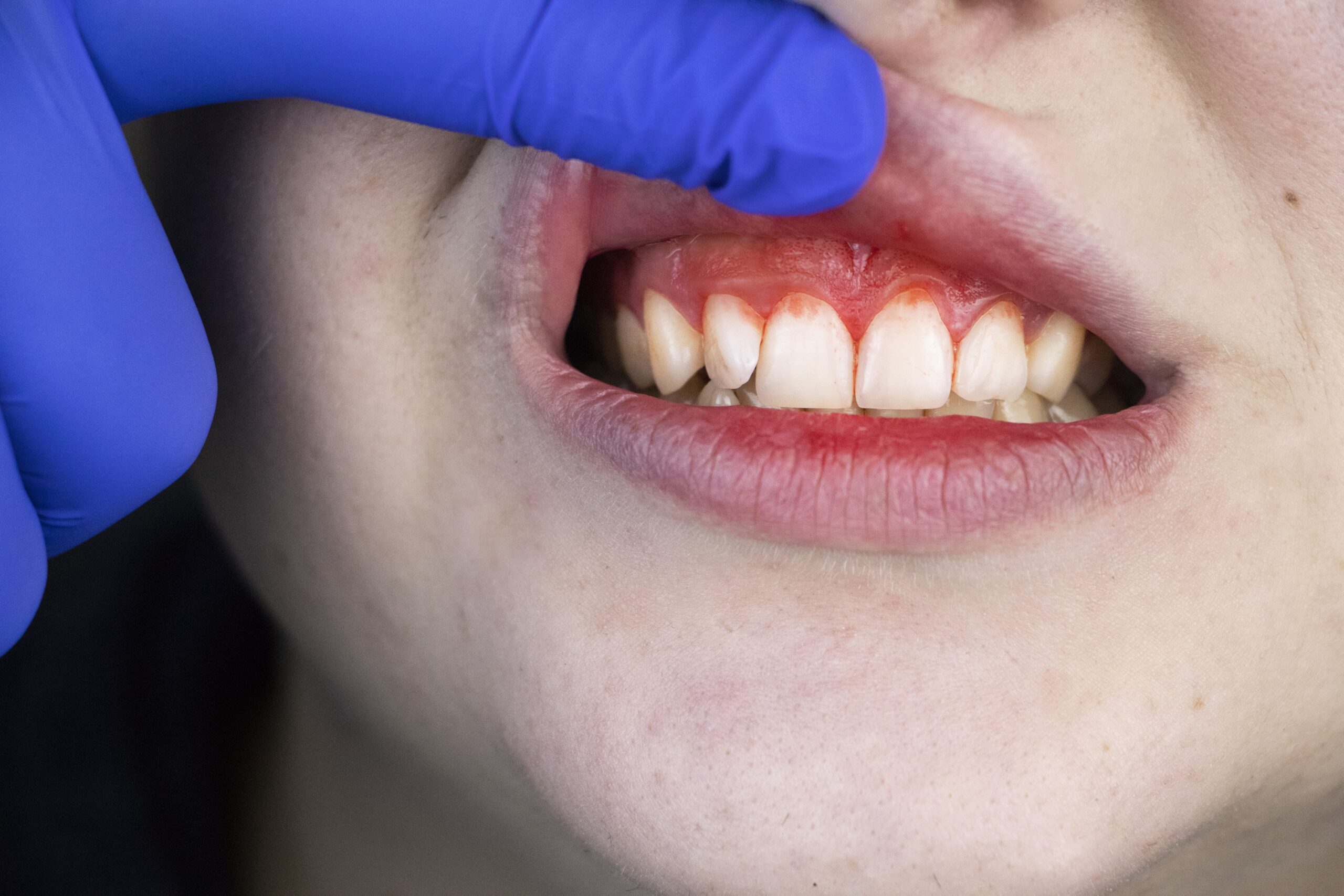
A condition commonly observed is bleeding gums when you brush your teeth. Lots of individuals are scared when they see blood, and they start to be afraid of their teeth. You should know that gums usually bleed due to irritation and inflammation. In some cases, you scrub too hard or with a rough brush.
Bleeding is also caused by poor dental habits or gum disease. It occurs when your gums are unhealthy. Bleeding of gums should never be ignored. The right tools and brushing carefully can help a lot. When it takes several days to stop bleeding, you need to visit your dentist.
What Are the Top 8 Reasons for Teeth Bleeding After Brushing?
The bleeding after brushing is an abnormality of the teeth. It tends to indicate that something is wrong. Gum disease is the most common cause of it. Another common mistake is brushing too hard daily. Gums bleed more when a hard-bristle toothbrush is used. Bad oral hygiene develops plaque and causes bleeding.
Some take medications that make the blood thin. Deficiency of vitamins such as C and K damages gums. Hormonal shifts during pregnancy may lead to bleeding, as well. Other medical conditions, such as diabetes, can be a factor as well. The problem should be addressed as soon as possible and quickly solved.
Gingivitis
Gingivitis is the leading cause of your gums bleeding when brushing. It starts with plaque accumulation on your teeth. Your gums are inflamed by bacteria which is stored in this plaque. Red, sore, and bleeding gums are the warning signs. You might not be able to feel pain in tooth or a root canal, but when it comes to bleeding, it is a clear sign. It can be prevented by practicing good oral hygiene regularly. Get your teeth checked and cleaned by a dentist on a regular basis. Gingivitis can be easily treated as long as it is noticed early enough.
Improper Brushing Technique
When you brush too vigorously, you may end up injuring your gums and making them bleed. Many people believe that harder brushing better cleans. This notion is false. The harsh brushing damages the gum line. It also weakens your enamel over time. Your gum bleeds as a sign that it is sensitive. Move with soft circular motions, and not hard scrubs. Hold your brush at 45 angle. Smooth, gentle brushing is harmless and maintains clean teeth. Brush for at least two minutes as well. A light technique saves teeth and gums. The technique that you use to brush your teeth matters a lot to your oral health.
Periodontitis
Periodontitis is a severe gum disease that begins with the development of untreated gingivitis. It makes the gums recede. This develops spaces through which bacteria multiply and become a source of infection. Bleeding when you brush is a typical indicator. Your gums may be tender or red as well. Periodontitis results in tooth loss when not addressed. The presence of bad breath and loose teeth is also a possibility. The condition requires dental medical treatment. Keeping regular teeth cleaning and better oral health can prevent it. Do not delay too much. Your gums will become more comfortable the faster you are treated.
Using a Hard-Bristled Toothbrush
Toothbrushes with hard bristles might be powerful; however, in most cases, they damage the gums. They have the ability to scratch your gums and cause bleeding. Most dentists advise people to use soft bristles every day. The soft bristles clean your teeth without damaging your gums. They are also able to access narrow areas in a better manner.
Brushing harder or choosing bristly brushes does not make the teeth cleaner. It simply makes it more likely to get hurt. Bleeding during brushing can indicate when it is time to change the brush. Find one that is labeled as soft or extra soft. Press softly each time you brush..
Medication Side Effects
Certain drugs make gums bleed easily. A typical example is blood thinners. These meds lower your blood’s ability to clot. This way, even light brushing can lead to bleeding. Other medications influence the flow of saliva, which dries your mouth. The dry mouth accelerates the accumulation of plaque. This may cause gum disease and bleeding. Look at the side effects of your medicine all the time. See a doctor when you see any changes in your gums. Do not discontinue taking your medications without recommendation. Rather, enhance your oral hygiene and seek the advice of your dentist on a regular basis.
Vitamin Deficiencies
Insufficient supply of important vitamins can cause bleeding gums. Vitamin C keeps your gums healthy and strong. Its absence makes your gums weak and prone to bleeding. Vitamin K is also beneficial in the clotting of blood. Even minor cuts bleed more at low levels. Your diet is a significant factor in the health of your gums. Eat more fruits, leafy greens, and healthy snacks. Or discuss with a doctor using supplements. Gums require good nutrients in order to remain strong. When they bleed frequently, examine your diet. In case the state of the gums is critical, visit the dentist without delay.
Hormonal Changes
The changes in hormones influence your gum situation, particularly in women. Swollen gums may occur during pregnancy, periods, or menopause. During flossing or brushing, these gums can easily bleed. Hormones increase blood flow to the gums. This exposes them to higher sensitivity than normal. Normal brushing can also cause bleeding. Gingivitis during pregnancy is quite common as well. It normally disappears after birth. However, you must look after your gums during this period. Brush gently and floss every day. Consult a dentist when necessary.
Underlying Medical Conditions
There are certain health conditions that result in bleeding of the gums. One of them is diabetes. It influences the way your body combats infections. This increases the risk of gum disease. The initial indicator of something wrong can be bleeding. When you see there is always bleeding after brushing, consult your doctor. It may be more than merely overbrushing. Taking care of your dental health can keep your gums safe as well.
FAQs
1. Is it normal for gums to bleed during brushing sometimes?
No, it’s not normal. When your gums bleed, there is a possibility that they are swollen or infected. It may be as a result of overbrushing, poor oral health, or premature gum disease. When bleeding of your gums becomes frequent, it is time to take better care of your teeth and see your dentist soon.
2. Do bleeding gums indicate a serious dental issue?
It is a fact that bleeding gums can be a sign of gum disease, like gingivitis or periodontitis. Such disorders can lead to loss of teeth in cases where they are not treated. Bleeding can indicate other health problems as well. Never ignore it and consult your dentist in case it persists when brushing.
3. What should I do to prevent my gums from bleeding after brushing?
Gently brush with a soft-bristled toothbrush. Brush teeth every day to get rid of the plaque. Take an antibacterial mouthwash when necessary. Consume a nutritious diet with a sufficient amount of vitamins. Don’t skip dental checkups. Better oral care of your teeth every day can prevent bleeding and keep your gums healthy.
Conclusion
You should not neglect bleeding gums. In most cases it indicates that your gums require attention. The reason is usually easy to rectify most of the time. Brush carefully and with a soft-bristled toothbrush. Maintain your oral care on a daily basis. Consume a nutritious diet that is not vitamin-deficient. See your dentist when the bleeding persists. It can indicate a larger problem such as gum disease. Timely intervention prevents tooth and gum disease. Look after your mouth to prevent inconveniences in the future. A happy smile is healthy because of good gums.
Related article: Ceramic Cap For Teeth